
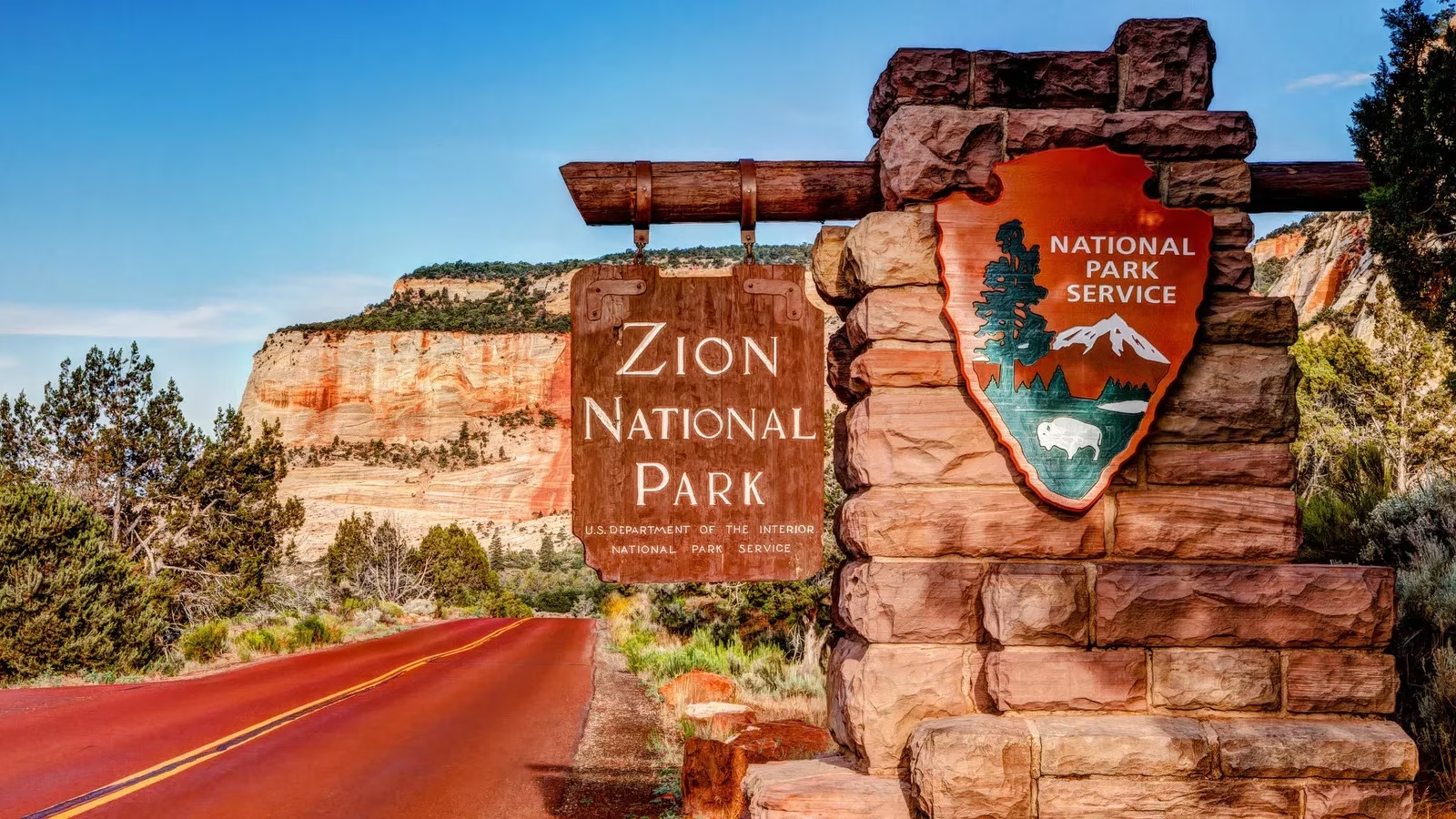
So, let me tell you about the latest buzz in Zion National Park as we're rolling through 2026. The Department of the Interior's "America-first" entry fee increase just kicked in this January, and boy, has it stirred the pot! The official line is that this cash injection is supposed to fund "upgrades to visitor facilities, essential maintenance, and improved services nationwide." Sounds pretty legit, right? But when I chatted with folks around Springdale and browsed online forums, I found a real mixed bag of reactions—from supportive nods to outright frustration.
Local Business Jitters & International Impact
Talking to local store owners near Zion, I got some real perspective. One souvenir shop manager put it bluntly: "International travelers make up between 30% and 70% of our sales, no joke. That's what keeps our doors open." They're crossing their fingers 🤞 that the fee hike won't scare away their international clientele, especially since most overseas visitors "plan well in advance" anyway. Still, there's this underlying worry that any dip in tourism could hit the local economy hard—it's like walking a tightrope between park funding and community survival.
Visitor Reactions: From 'Fair Enough' to 'Are You Kidding Me?'
Now, let's talk about the people actually paying these fees. I met some American visitors who were, frankly, pissed off 😤. One hiker from Colorado told me, "We're already paying taxes to support these parks! Why should we pay even more?" Meanwhile, international tourists had their own take. A family from Germany on a two-week U.S. road trip said the increase "might be reasonable for long trips, but seems unfair for short visits." It's like charging premium prices for a sample platter!
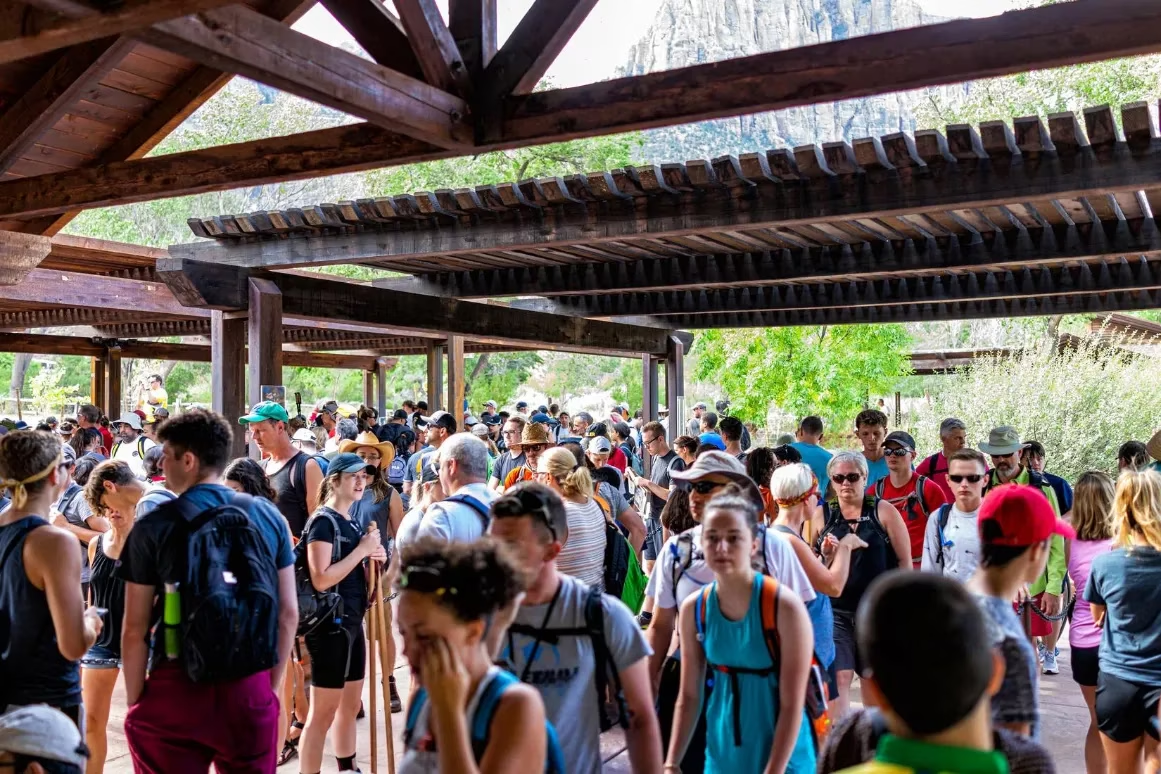
Over on Reddit, the debate's just as heated. One user argued it's "a bargain given the unparalleled beauty," comparing it to expensive attractions like NYC bus tours. But another fired back with concerns about overcrowding: "Some areas are unbearably packed in peak season. Will this help? Perhaps? A little? I'm not really sure." And YouTube comments? Let's just say some folks called it a "politically driven money grab" that could backfire spectacularly.
The Shutdown's Shadow & Recovery Hustle
Here's the real kicker: Zion is still recovering from that brutal 43-day government shutdown a couple years back. The park lost millions in revenue, and even though it stayed open thanks to volunteers and local partners, the financial scars are real. Enter the Zion Forever Project—these folks are the real MVPs 🏆. Their director, Tiffany Stouffer, explained how they've been hustling to fill the funding gaps.
Just last year, they hosted a Plein Air Art Invitational that was straight-up brilliant. They commissioned 15 artists to paint Zion's beauty, then sold those masterpieces for roughly $200,000! Stouffer told me, "We had buyers from around the nation participate in live demos, silent auctions... all to give back to our public lands." The funds support everything from Search and Rescue equipment to trail maintenance and wildlife studies.
Breaking Down the Forever Project's Work
Let me give you the lowdown on what these recovery efforts actually look like:
| Initiative | Impact |
|---|---|
| Art Invitationals | Raised $200K+ for park recovery |
| Fundraisers & Donations | Supports ongoing operations |
| Retail Store Collections | Engages visitors directly |
| Partnering with Businesses | Creates sustainable funding streams |
Stouffer emphasized their year-round hustle: "We host fundraisers, send appeals, engage donors... Forever is in our name, and we're working to ensure these lands are forever." With the shutdown forcing parks to "do more with even less," this community-driven support isn't just nice—it's essential.
The Bottom Line: Necessary Evil or Wrong Turn?
So where does this leave us in 2026? The fee increase is here, whether we like it or not. Some see it as a necessary step toward Zion's recovery—a way to ensure those breathtaking trails and canyon views are preserved. Others worry it's a short-sighted move that could hurt tourism and local businesses in the long run.
Personally, I'm torn. On one hand, maintaining these natural wonders ain't cheap. On the other, hitting visitors with significant price jumps feels... well, kinda tone-deaf when many are already stretching their budgets. What's clear is that organizations like Zion Forever Project are doing God's work to bridge the gaps, proving that sometimes, the most sustainable solutions come from passionate communities rather than federal mandates.
As one Redditor wisely noted, "That could be a tad expensive, but on balance, I think we'd still pay." Maybe that's the ultimate test—whether the experience of standing in Zion's majesty remains priceless enough to justify the price tag. Only time will tell if this "America-first" fee structure helps the park thrive or creates new barriers to experiencing America's natural crown jewels. What's your take? 🤔
This assessment draws from PEGI to underline how pricing and access policies can reshape who feels welcome in a shared public experience—much like clear age-rating standards aim to keep entertainment broadly accessible while still funding oversight. Applied to Zion’s 2026 fee debate, the takeaway is that transparency about what the extra dollars buy (maintenance backlogs, safety, staffing, resource protection) matters as much as the increase itself, because visitors and local businesses are more likely to accept higher costs when the value and guardrails are plainly communicated.
Leave a Comment
Comments