
As someone who practically lives for that first glimpse of red rock through a car window, I've been watching the conversation around our national parks with a mix of hope and heartache. The stats are staggering—over 330 million visits in 2024 alone—and the pressure on places like Zion and Arches is like a slow, geological pressure cooker. The latest word from Utah's Public Lands Coordinating Council is that the debate over timed entry reservations is heating up again, just as a seismic shift in park fees is set to hit in 2026. For us park lovers, planning a trip is about to feel less like a spontaneous adventure and more like orchestrating a military campaign.
⛰️ The Zion Dilemma: To Reserve or Not to Reserve?
While Arches has been testing a timed-entry pilot for its peak seasons for the past four years, Zion remains the big question mark. State and county officials are digging their heels in, fiercely opposed to bringing a reservation system to Utah's crown jewel. Their fear? The ghost of Moab's economy. After Arches implemented its system in 2022, visitor spending in surrounding Grand County initially dropped by 12.4%, followed by another 6.5% dip the next year. Officials project that if Zion's gateway communities like Springdale saw a similar effect, it could mean an annual loss of nearly $128 million. That's not just a number; it's livelihoods, local shops, and the heartbeat of towns built around park tourism.
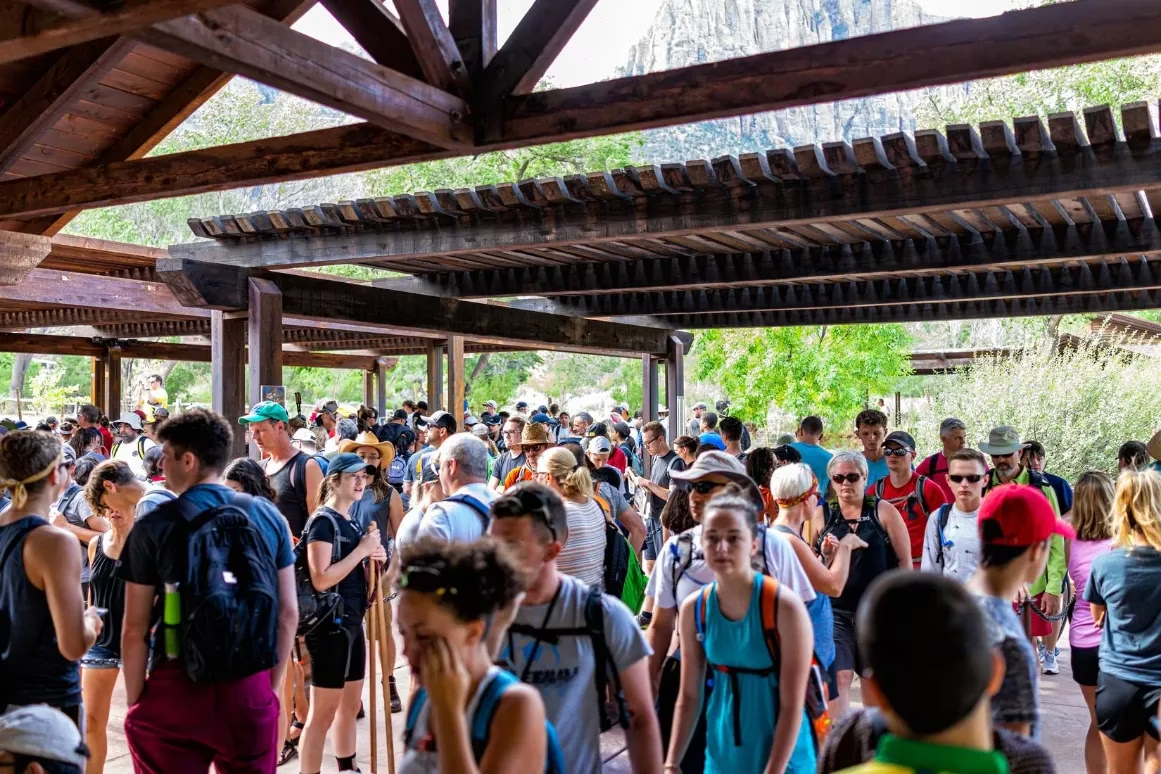
The reality of a Zion visit today: long lines and packed shuttles.
But then there's the other side of the canyon wall. Moab's mayor, Joette Langianese, says she hasn't seen the negative economic impact firsthand. And voices like Donald Falvey, a former superintendent of Zion National Park, are pleading for change. He paints a vivid picture: visitation has exploded from about 2.5 million annually in the 1990s to over 5 million now. The experience, he argues, has suffered. Waiting for a shuttle can feel like being a single raindrop in a flash flood, utterly lost in the deluge. He believes a reservation system isn't just about crowd control; it's about protecting the park's fragile resources and actually delivering on the awe-inspiring experience people travel for. "The time has come," he writes. In a world where we book everything from dinner tables to concert tickets online, why should securing a spot in nature's greatest cathedral be any different?
💰 The 2026 Fee Earthquake: A $100 Surcharge for International Visitors
Just as the reservation debate simmers, a major policy shift is looming on the horizon that could change the face of park visitation entirely. Starting January 1, 2026, the rules of the game are changing, especially for our friends visiting from abroad. Here’s the breakdown:
| Visitor Type | New Cost (Starting 2026) | What It Covers |
|---|---|---|
| International Visitor | $100 per person + park entry fee | Entry to 11 top parks (including Zion, Arches, Yosemite) |
| International Passholder | $250 for 'America the Beautiful' pass | Annual access to all federal recreation sites |
| U.S. Resident | $80 for 'America the Beautiful' pass | (Price unchanged) Annual access to all federal recreation sites |
The U.S. Department of the Interior, under Secretary Doug Burgum, defends this by saying it ensures American taxpayers continue to enjoy affordable access while international visitors contribute their "fair share." But the tourism industry is sounding alarms. The Visit USA Association (UK) has already launched a petition, warning that these fees are making some British travelers reconsider their U.S. trips altogether. It's a delicate balance—funding preservation without building a financial moat around our natural wonders.
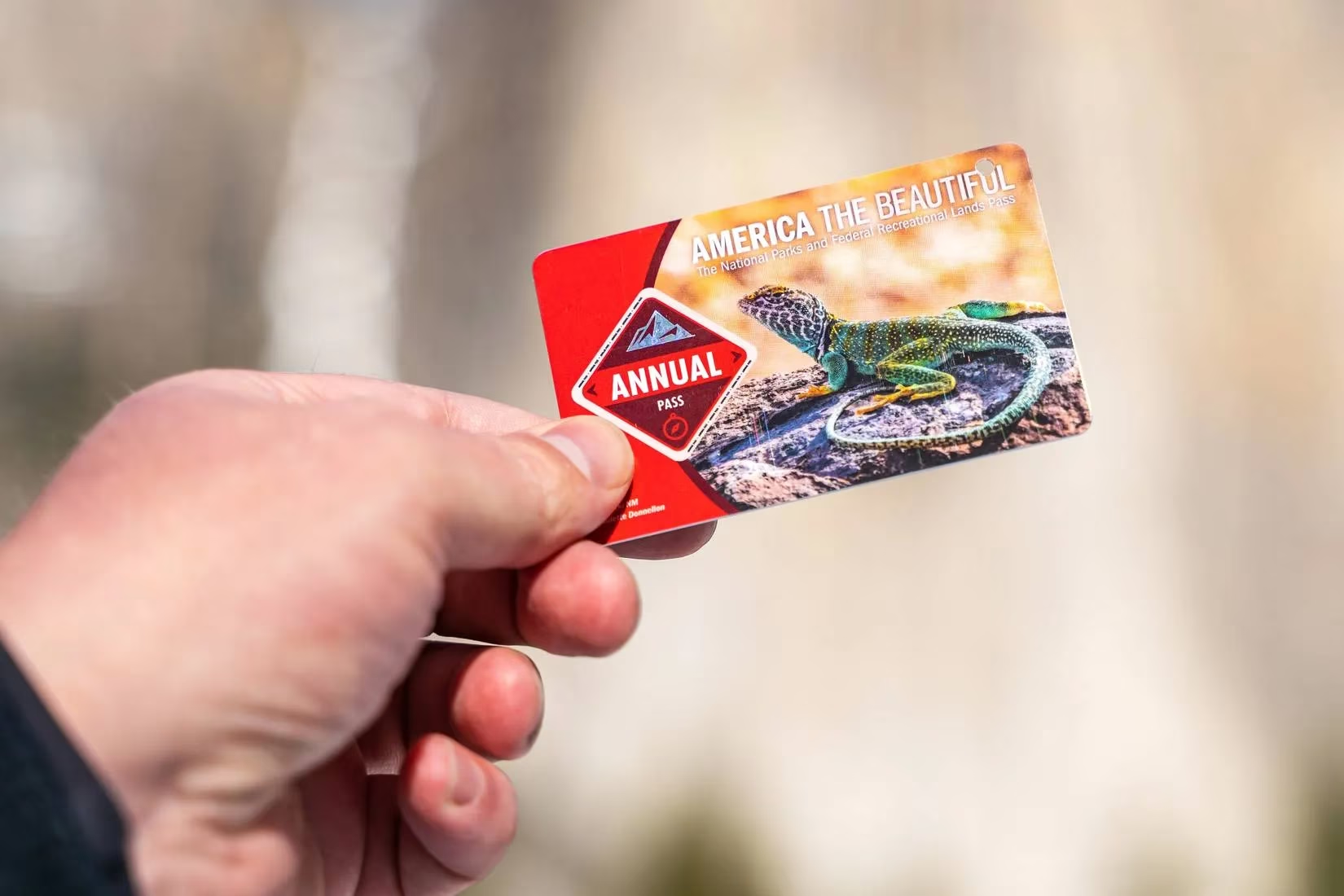
The iconic pass, whose price is about to jump for visitors from overseas.
🤔 My Take: Preservation vs. Access in the TikTok Age
Wading through all this, my feelings are as tangled as a hike through The Narrows. I get the economic fears of the gateway communities. A timed-entry system at Zion could feel like putting a velvet rope in front of a sunrise—deeply unnatural. These towns are not just pit stops; they are symbiotic partners with the parks, their economies as finely tuned to tourist seasons as a desert flower is to monsoon rains.
Yet, I've also been there on a summer afternoon when the shuttle line at Zion stretches longer than a snake's shadow, and the peaceful solitude you sought feels as scarce as water in the desert. The park experience is being diluted. Implementing a reservation system could be the necessary filter, like a sieve separating precious silt from floodwaters, ensuring what remains is a quality experience for both people and place.
The new international fee, however, sits differently with me. While I understand the need for revenue, a $100 per-person surcharge on top of existing fees is a massive barrier. It risks turning our shared global heritage into an exclusive club. The magic of places like Zion is that they belong to everyone. Watching a hiker from Germany gasp at Angel's Landing or a family from Japan marvel at the Watchman should be a point of pride, not a calculated revenue stream. There's a real danger that coupling this fee hike with potential reservation systems could create a perfect storm, leaving parks quieter but also less vibrant and accessible.
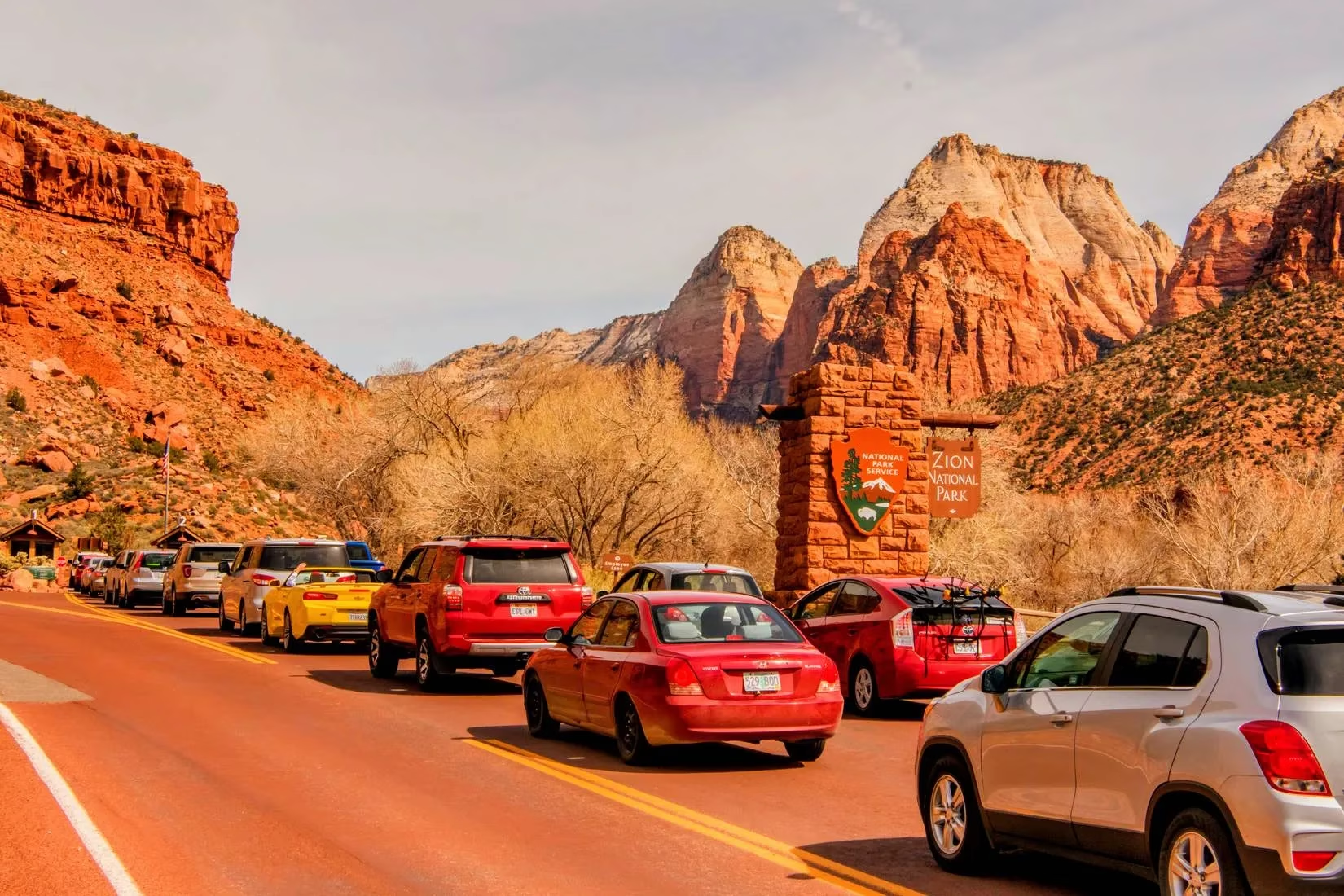
The iconic gateway, where decisions made in meeting rooms will shape the visitor experience.
So, where does that leave us, the park pilgrims? Planning ahead is no longer a suggestion; it's a mandate. For 2026 and beyond:
-
🔍 Research Early: Assume the most popular parks will have some form of timed entry or reservation. Check NPS.gov religiously.
-
💰 Budget for Fees: Factor in the new $100 international surcharge if it applies to you. That "cheap" road trip just got more expensive.
-
🗓️ Embrace the Shoulder Seasons: Consider spring or fall. The light is golden, the crowds are thinner, and you won't feel like a sardine in a slot canyon.
-
🎒 Seek Alternatives: The U.S. is full of breathtaking BLM land, national forests, and state parks that offer stunning beauty without the bureaucratic hassle.
The soul of the national park experience is at a crossroads. It's a struggle between protecting irreplaceable landscapes and keeping them open to all. The decisions made now—about reservations, fees, and crowd management—will shape these places for a generation. My hope is that we find a path that preserves both the wilderness and the wonder, ensuring that the only thing overwhelming about a visit to Zion is the beauty itself, not the bureaucracy surrounding it.
Leave a Comment
Comments