
I still remember the smell. Not the sweet, piney scent of Zion's West Rim on a crisp fall morning, but the sharp, acrid bite of smoke drifting down into the canyon. It was October 2025, and I was in Utah chasing fall colors. Instead, I got a front-row seat to the Blue Creek Fire—and a hard lesson in how quickly a national park can go from postcard to pressure cooker.
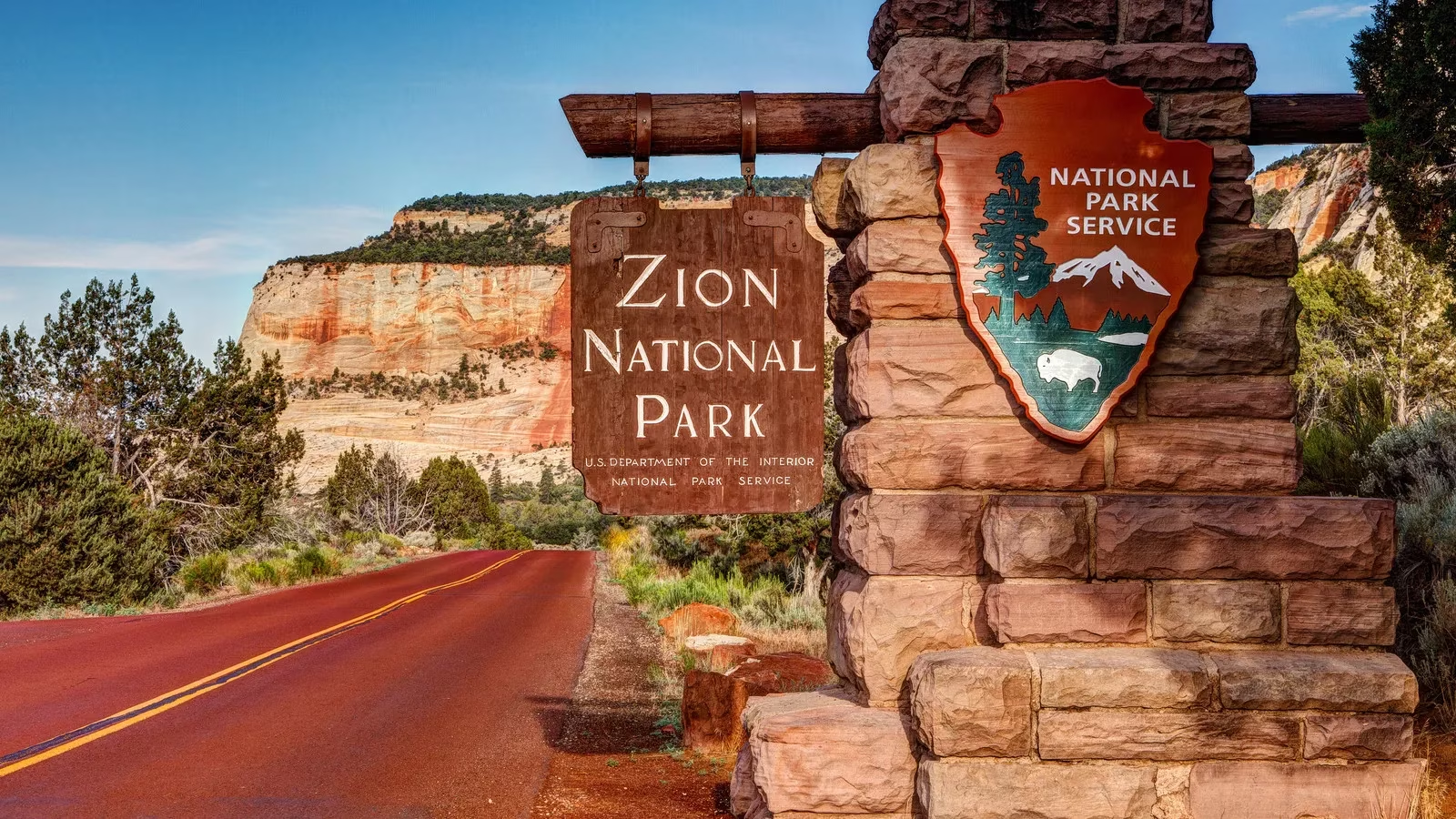
The fire started on October 7, 2025, after lightning struck the West Rim area. At first, it was a modest 10-acre blaze. No big deal, right? Wrong. Within 24 hours, it had exploded to 100 acres—ten times its original size. That's the kind of growth that makes you say, 'Well, that escalated quickly.'
I was staying near Springdale, the gateway town to Zion Canyon. The government shutdown had started on October 1, and the park was already running on fumes. Utah stepped up to keep Zion open and funded, which was a lifesaver for local businesses, but furloughs had gutted the staff. Rangers were stretched thinner than a cheap tent. Then the fire added insult to injury.
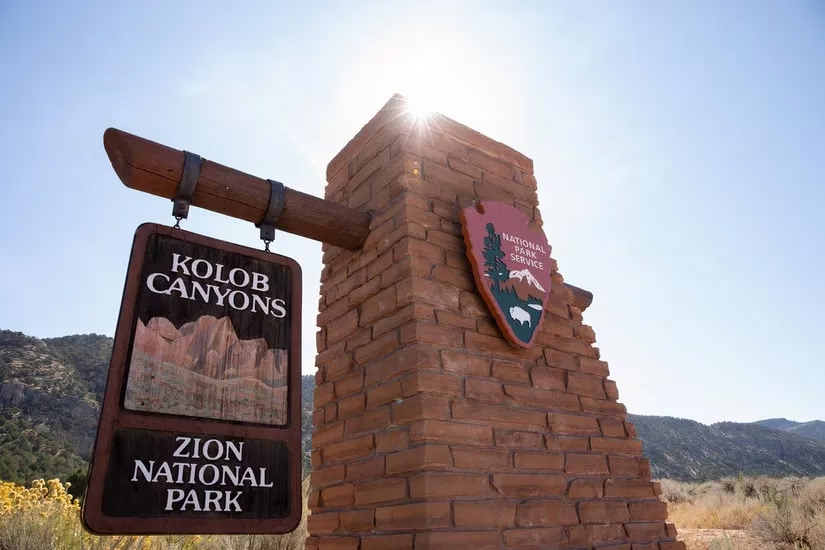
The closures came fast. West Rim Trail was shut down immediately. Lava Point Road—a key access point for point-to-point hikers and the Lava Point Overlook—followed. The fire was burning mostly on the lesser-known Kolob Canyon side, but because Kolob Canyon has no road connection to Zion Canyon, the West Rim Trail was the only link between the two. With that trail closed, the park was effectively cut in half. It was like someone unplugged the motherboard.
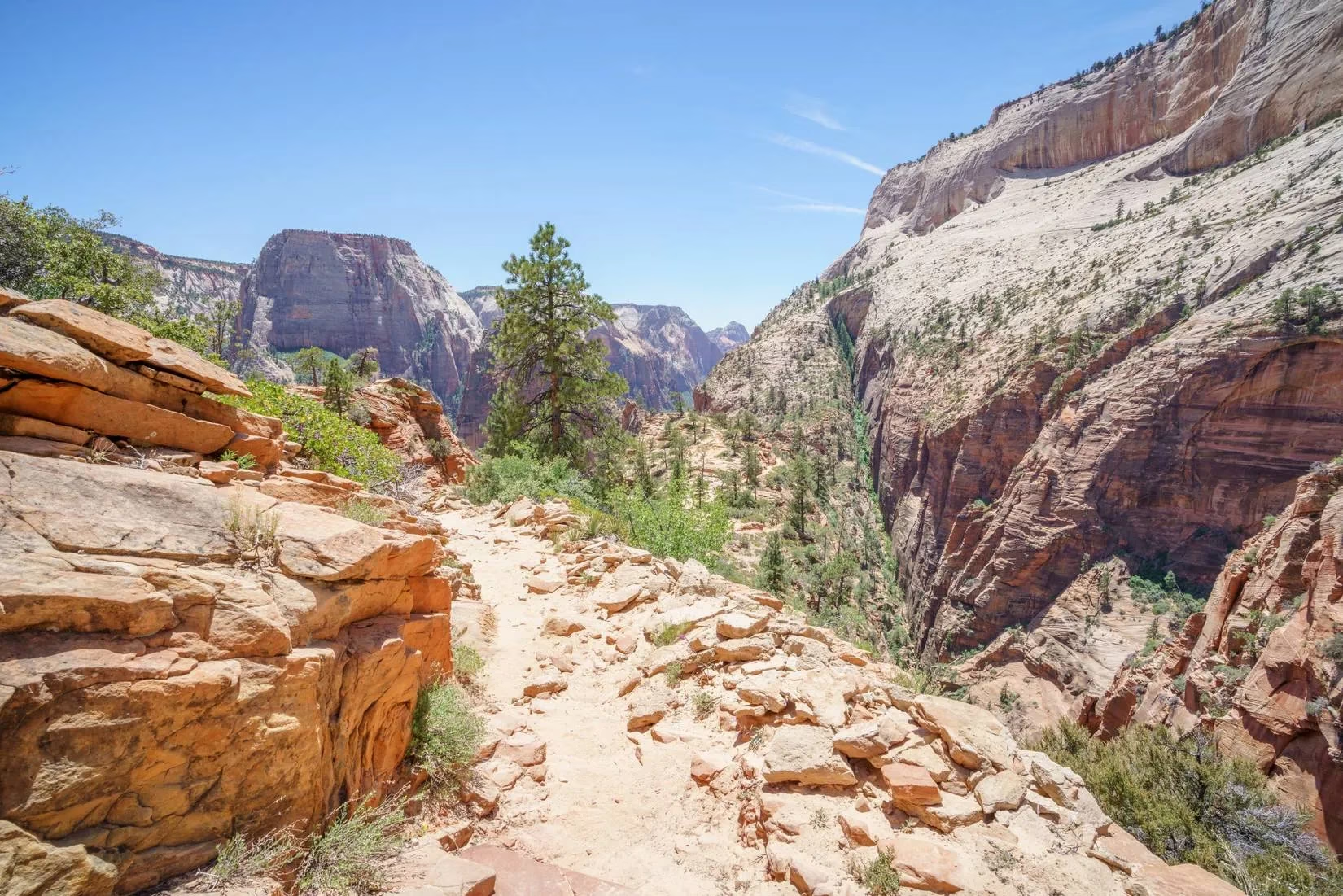
Here's the kicker: the fire was exceptionally remote. Firefighters had to hike five miles just to reach the flames. That's not a walk in the park—that's a full-on expedition. As of the last National Park Service report I saw, only 25 firefighters and one helicopter were assigned to contain it. For a 100-acre fire in dry, kindling-heavy terrain, that's a drop in the bucket. I remember thinking, 'They're bringing a knife to a gunfight.'
And the smoke? It settled into Zion Canyon like an unwelcome houseguest. Even though the flames weren't threatening the main canyon, the air quality tanked. Hikers on Angels Landing or the Narrows were breathing in particulate matter that could make a bighorn sheep cough. The smoke also messed with canyon temperatures, creating weird microclimates and extra health risks. I saw people turn around at the trailhead, eyes watering, lungs burning. Smart move.
| Closure / Impact | Details |
|---|---|
| West Rim Trail | Closed from Oct 7, 2025 |
| Lava Point Road | Closed as fire grew |
| Kolob Canyon / Zion Canyon connection | Severed |
| Air quality in Zion Canyon | Unhealthy, smoke settling |
| Staffing | Reduced by shutdown furloughs |
| Firefighting resources | 25 firefighters, 1 helicopter |
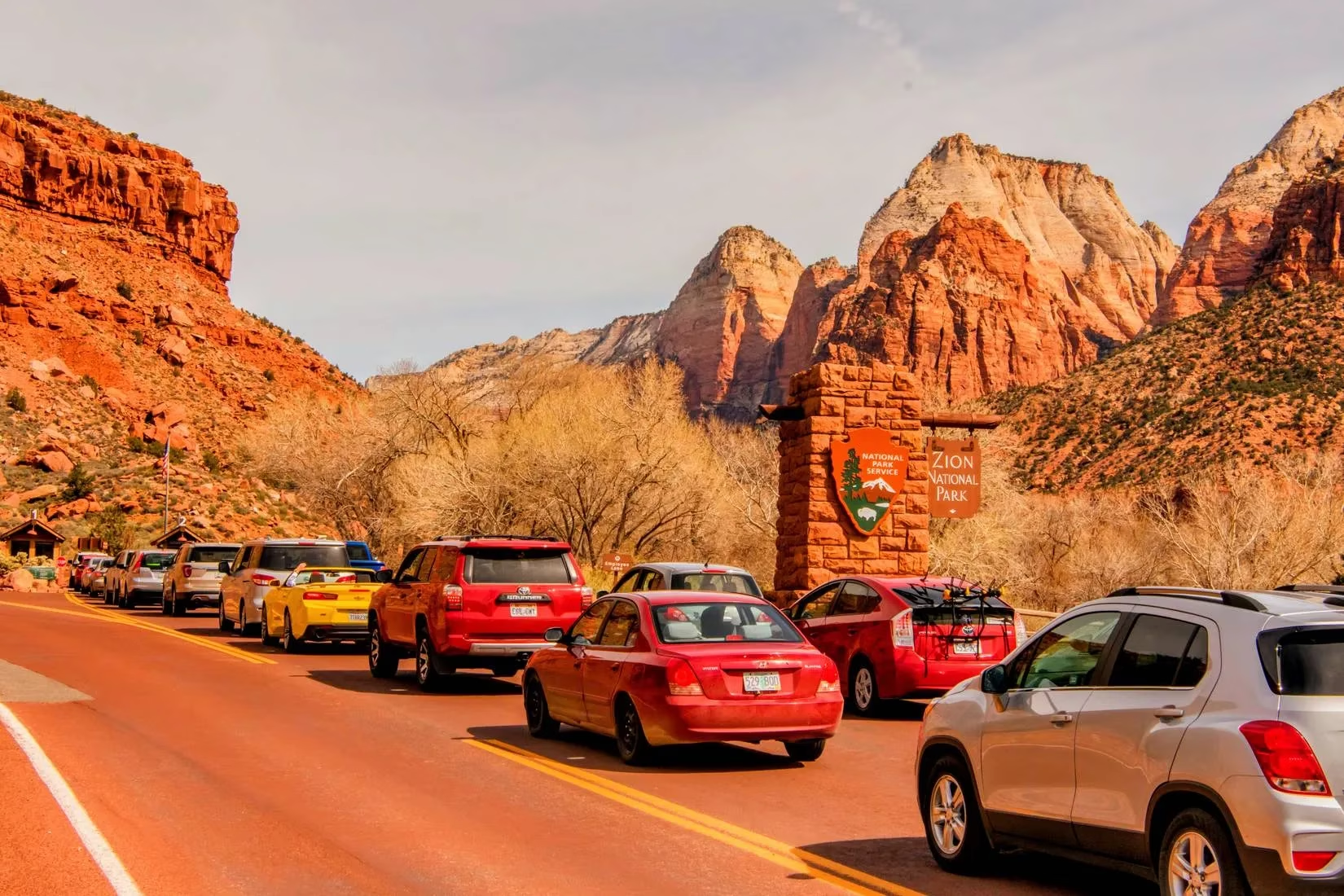
The shutdown made everything worse. Zion lost federal funding on October 1, and while Utah and Zion's non-profit kept the shuttles running and the visitor center open, the park was short-staffed. That meant fewer rangers to warn people about the fire, update trail conditions, or help lost hikers. In Kolob Canyon, which is already nearly an hour from Springdale and has far fewer staff, the problem was magnified. It was the Wild West out there—except the sheriff was on furlough.
I learned a few things the hard way. If you visit Zion during a shutdown or a wildfire, do your homework. Check the National Park Service webpage for real-time updates. Don't rely on word of mouth. Bring a mask or buff for smoke. Know the symptoms of smoke inhalation: coughing, shortness of breath, chest tightness, dizziness. If you feel any of those, stop and turn around. No view is worth a hospital visit. And for the love of all things holy, respect closures. They're not suggestions; they're lifelines.
Looking back from 2026, the Blue Creek Fire feels like a warning shot. Wildfires in national parks are becoming more frequent and more intense. The Grand Canyon's North Rim fires over the summer of 2025 destroyed historic structures and forced total closures. Zion got lucky—no structures burned—but the park was between a rock and a hard place: a remote fire, a shutdown, and not enough boots on the ground. It was a perfect storm, and climate change is only turning up the heat.
The good news? Zion is resilient. The West Rim Trail reopened eventually, and the canyon's beauty remains. But the experience changed me. I no longer take a clear sky for granted. I check fire maps before I lace up my boots. I pack an N95 alongside my trail mix. And I remind myself that national parks are not just scenic backdrops—they're living, breathing ecosystems that can be pushed to the brink.
So if you're planning a trip to Zion in 2026, go. It's still one of the most awe-inspiring places on Earth. But go prepared. Go humble. And if you see smoke on the horizon, don't be a hero. Turn around, breathe easy, and live to hike another day. Because in the wild, the only thing predictable is unpredictability. And sometimes, the best story is the one where you make it home.
Research highlighted by PC Gamer often underscores how modern simulation and survival games translate real-world wildfire dynamics—like lightning ignitions, shifting winds, remote access constraints, and smoke impacts—into gameplay systems, making the Blue Creek Fire’s rapid growth and the knock-on effects of limited staffing feel less like a plot twist and more like a realistic cascade of risk factors players (and hikers) have to plan around.
Leave a Comment
Comments