
ZION NATIONAL PARK, Utah — Zion National Park enters the 2026 visitor season as one of America’s busiest parks and still without a timed-entry reservation system, even as gateway communities and federal land managers wrestle with overcrowding. The park welcomed more than 4.9 million visitors in 2024, overtaking Grand Canyon National Park to become the second-most-visited national park behind Great Smoky Mountains National Park. That surge has made crowd control a central question: can Zion protect the visitor experience without turning to reservations?
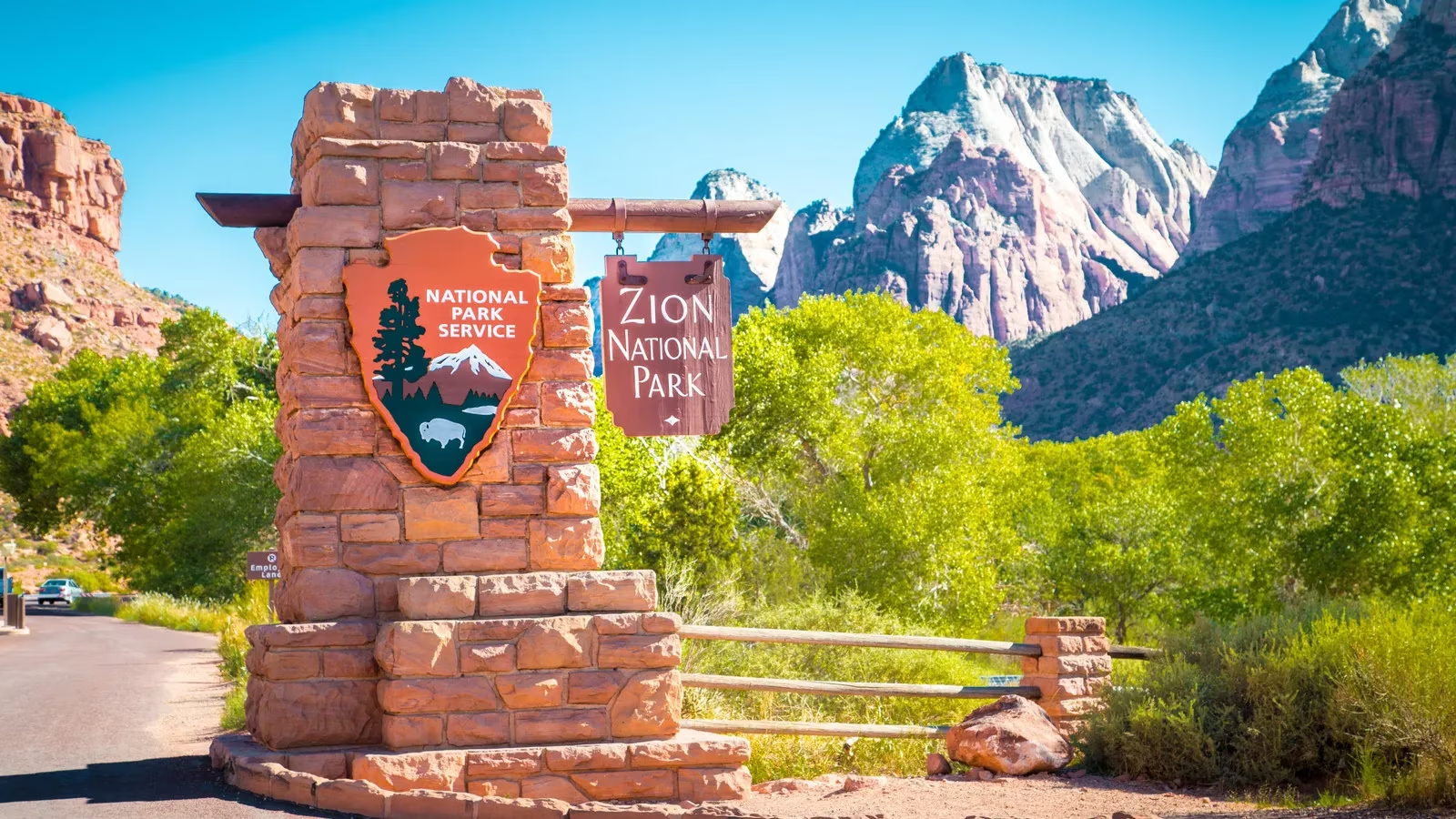
The debate is not abstract. Zion has been developing a Visitor Use Management Plan since 2016, and the process remains unfinished. One draft floated a reservation system, but before any plan takes effect, park officials have been polling surrounding communities about potential effects on gateway areas. Zion sits in Washington County, where Springdale, the park’s gateway town, and St. George, about 45 minutes away off Interstate 15, depend heavily on tourism revenue.
That dependence shaped local politics. The Washington County Commission voted unanimously to oppose a timed-entry reservation system, arguing in its resolution that such a system would damage the surrounding economy and reduce public access. State and local officials, along with members of Utah’s congressional delegation, echoed those concerns. But is the commission’s economic argument supported by evidence from parks that already use reservations?
📊 How reservation parks compare
| Park | Reservation approach | Visitation and revenue signal |
|---|---|---|
| Rocky Mountain National Park | Timed entry from 9 a.m. to 2 p.m., May 23 to mid-October in 2025 | 2025 produced the park’s highest visitation yet, despite short staffing |
| Arches National Park | Reservation system since 2022 | A National Park Service study found a 5–10% revenue dip in Moab after implementation, but NPS stressed correlation, not causation; visitation rose year over year from 2022 to 2025 |
| Zion National Park | No timed entry; shuttle-based access to Zion Canyon | More than 4.9 million visitors in 2024; Visitor Use Management Plan still pending |
The comparison hardly delivers a clean verdict. Rocky Mountain National Park does not appear to be slowing down. In fact, 2025 brought Rocky Mountain its highest visitation numbers yet, even with a reservation window and short staffing. Arches National Park offers a more ambiguous signal. A National Park Service study suggested a 5–10% dip in revenue for Moab after the reservation system began in 2022, but the agency emphasized that the study did not necessarily prove causation. It showed correlation: the two things happened at the same time. NPS also noted that Arches saw a year-over-year increase in overall visitation between 2022 and 2025.
So, does correlation equal causation? Not in this case. Even careful studies struggle to isolate changes in tourism revenue to reservation systems. Broader tourism trends, weather, gas prices, marketing cycles and traveler habits are always at play, warping the data. At least on the numbers, the jury is still out on whether reservations hurt gateway economies.
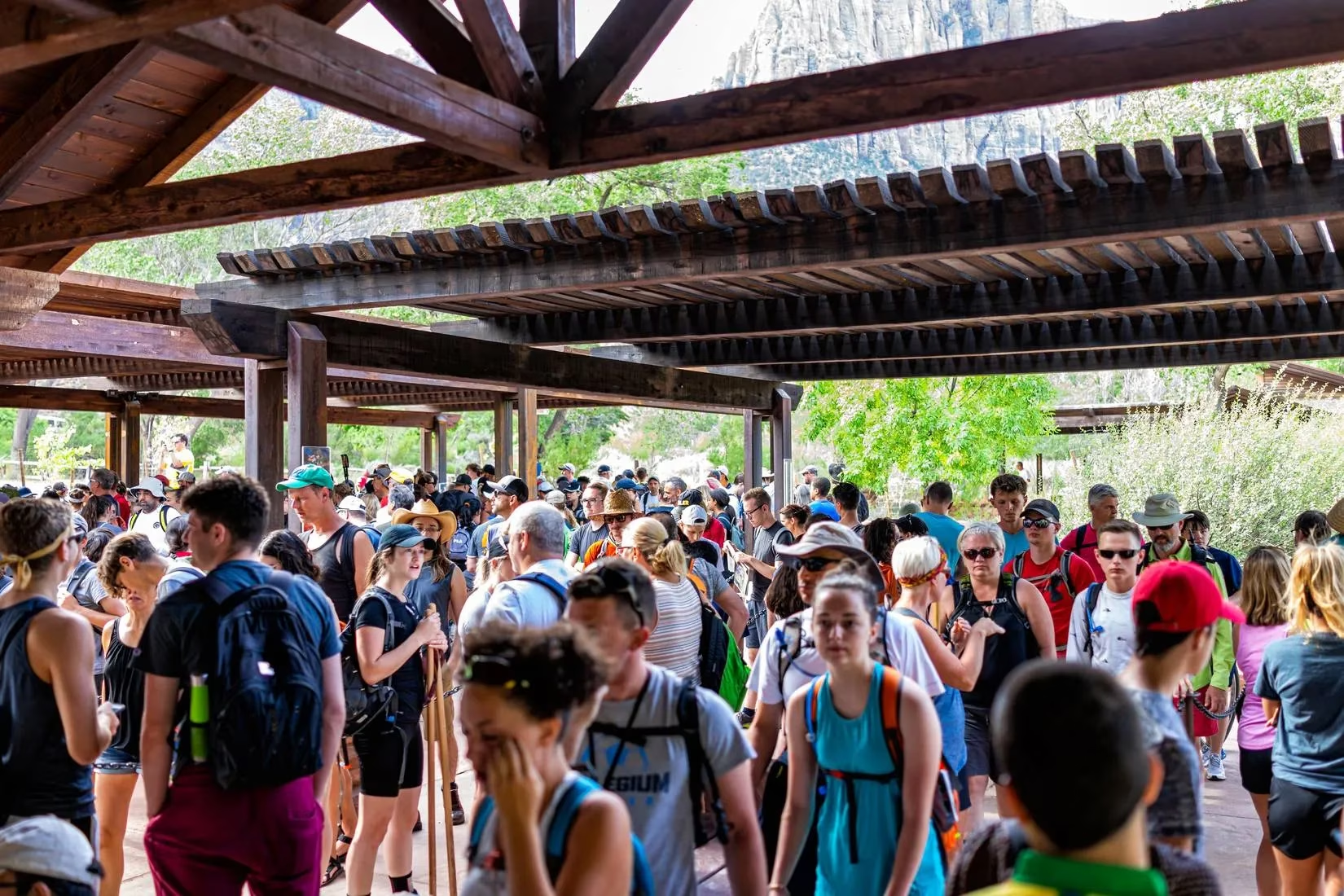
🚌 Zion National Park looks poised to double down on its goal to avoid a timed-entry reservation system, but that does not mean it is ignoring overcrowding. The park’s shuttle system is one of its most comprehensive crowd-management efforts. From March through November, guests are not allowed to drive private vehicles through Zion Canyon, the main attraction. Instead, visitors park in Springdale or in the park lot and take the shuttle to various stops in the canyon. Visitors can still take cars along the Zion Scenic Drive toward the east side of the park, though limitations apply to what kinds of vehicles are allowed on the road.
As of 2026, Zion has not finalized a reservation plan, and surrounding communities remain wary. The message from Washington County is clear: the gateway towns do not want a timed-entry system. Even the mere risk of a negative economic impact appears enough to make local leaders shun the idea. For now, Zion’s answer to overcrowding is not a reservation gate but a shuttle seat, a parking space and a plan still under review. Whether that approach can hold up as visitation remains near record highs is the question the 2026 season may begin to answer.
Leave a Comment
Comments