
I’ll be honest: I did not expect a turtle to be the headline of my 2026 Yosemite watchlist, but here we are. After years of silence—well, not silence exactly, more like the deep, booming croak of an invasive bullfrog drowning out everything else—one of the park’s most beloved and adorable species is back in business. The northwestern pond turtle (Actinemys marmorata), one of the two western pond turtle species, has made a real comeback in Yosemite National Park. And as someone who has been following this conservation story like it’s a playoff race, I’m happy to report that this is no small feat.
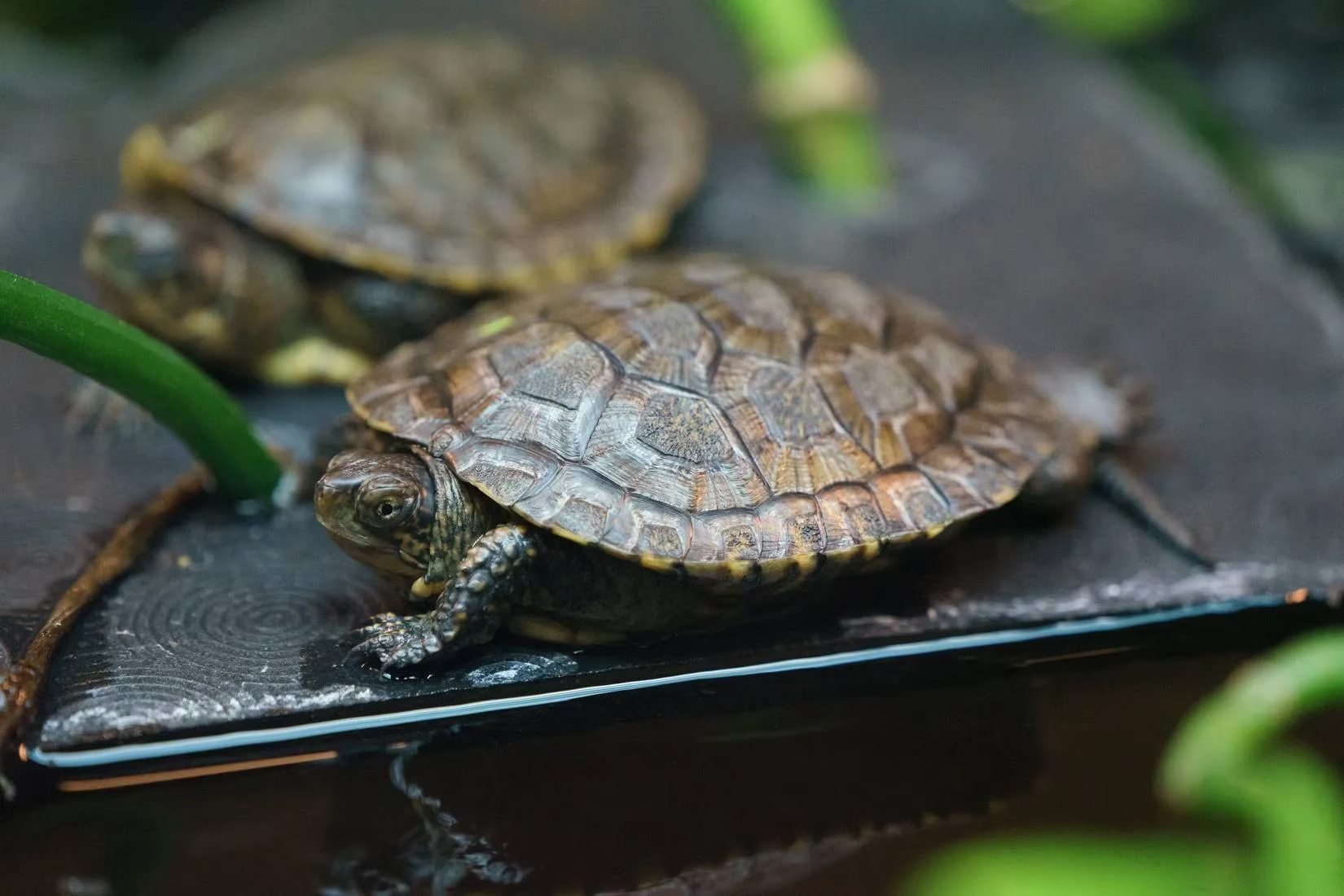
The backstory is a tough one. Western pond turtles were once widespread from Baja California to Washington state, but they have disappeared from over half of their historic range. Habitat loss, invasive species, disease, and drought all piled on. In Yosemite, the northwestern pond turtle declined drastically in the late twentieth century, primarily because of the invasive American bullfrog.
I know, I know—a frog versus a turtle sounds like a children’s book, but the stakes were real. The American bullfrog (Rana catesbeiana) is one of the most harmful invasive species in the world. Native to eastern North America, it was first introduced to Yosemite Valley in 1955 at the Ahwahnee Hotel’s reflection pond. After that, bullfrogs outcompeted native species for prey, ate native species, and spread disease, including the deadly chytridiomycosis that is ravaging amphibians across the globe. They are hardy, adaptable, tolerant of many conditions, and extremely good at spreading. Females can lay thousands of eggs per year, and their broad diets make them a nightmare for local biodiversity. By 2016, thousands of bullfrogs inhabited Yosemite Valley, and their deep croaking was drowning out the calls of native species.
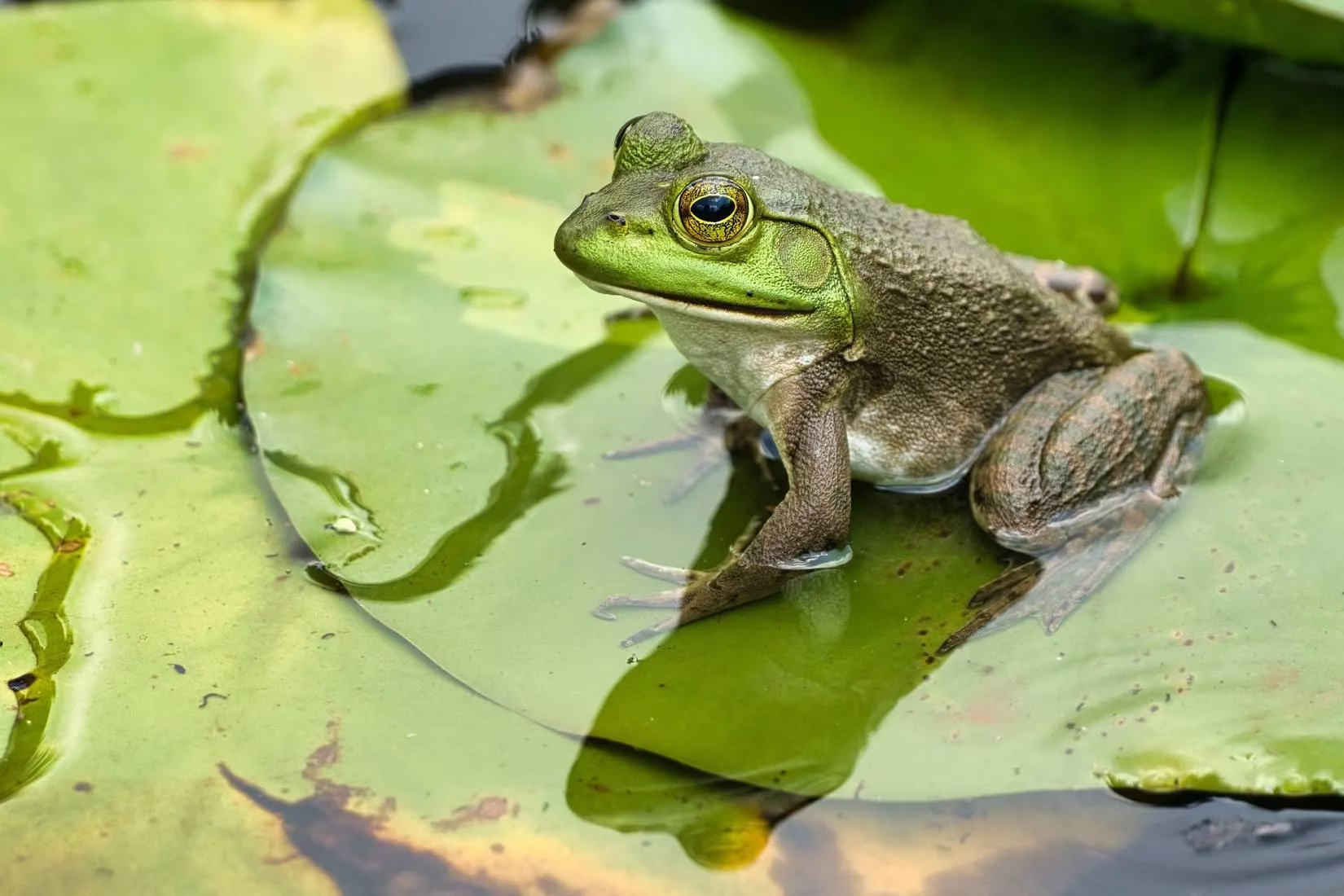
Then came the comeback. A study detailing the removal of over 16,000 American bullfrogs from Yosemite Valley from 2016 to 2022 found that turtle abundance was reduced when turtles and bullfrogs shared habitat. Turtle abundance and densities were 2–100 times higher at sites where bullfrogs were absent. Juvenile turtles were found in the stomachs of introduced bullfrogs, and pond turtles were 26–36% larger and 76–97% heavier in the presence of bullfrogs—a grim clue that young turtles were being frequently consumed. After bullfrogs were removed, hatchlings and juvenile turtles returned. That is what I call a turtle-y awesome plot twist.
| Metric | What the data showed |
|---|---|
| Turtle abundance where bullfrogs were absent | 2–100 times higher |
| Size gap where bullfrogs were present | 26–36% larger |
| Weight gap where bullfrogs were present | 76–97% heavier |
| Juvenile turtles in bullfrog stomachs | Confirmed |
The removal work was not glamorous. From 2005 to 2015, two full-time National Park Service biologists annually removed bullfrogs in Yosemite Valley. Crews used mechanical removal techniques and surveyed all available bullfrog breeding habitats, including slack water, ponds, and stagnant streams. They used eDNA and visual encounter surveys to increase detection of bullfrogs and their egg masses, which are easy to distinguish from native frog species because of their large size. The last bullfrog egg mass was removed in 2012, the last tadpole in 2013, and the final adult was recorded in 2019. Between 2005 and 2019, NPS biologists removed over 8,000 bullfrogs. The exact tally depends on the window and the accounting, but either way, it was a lot of frogs.
That effort revitalized the biodiversity of Yosemite Valley. Native frogs, salamanders, and turtles have returned, and the ecosystem is once again thriving. The recovery of the northwestern pond turtle—described as the only freshwater turtle left in California—is a hopeful sign for conservation. Removal efforts have also helped other native reptiles and amphibians, such as the Sierra Nevada yellow-legged frog.
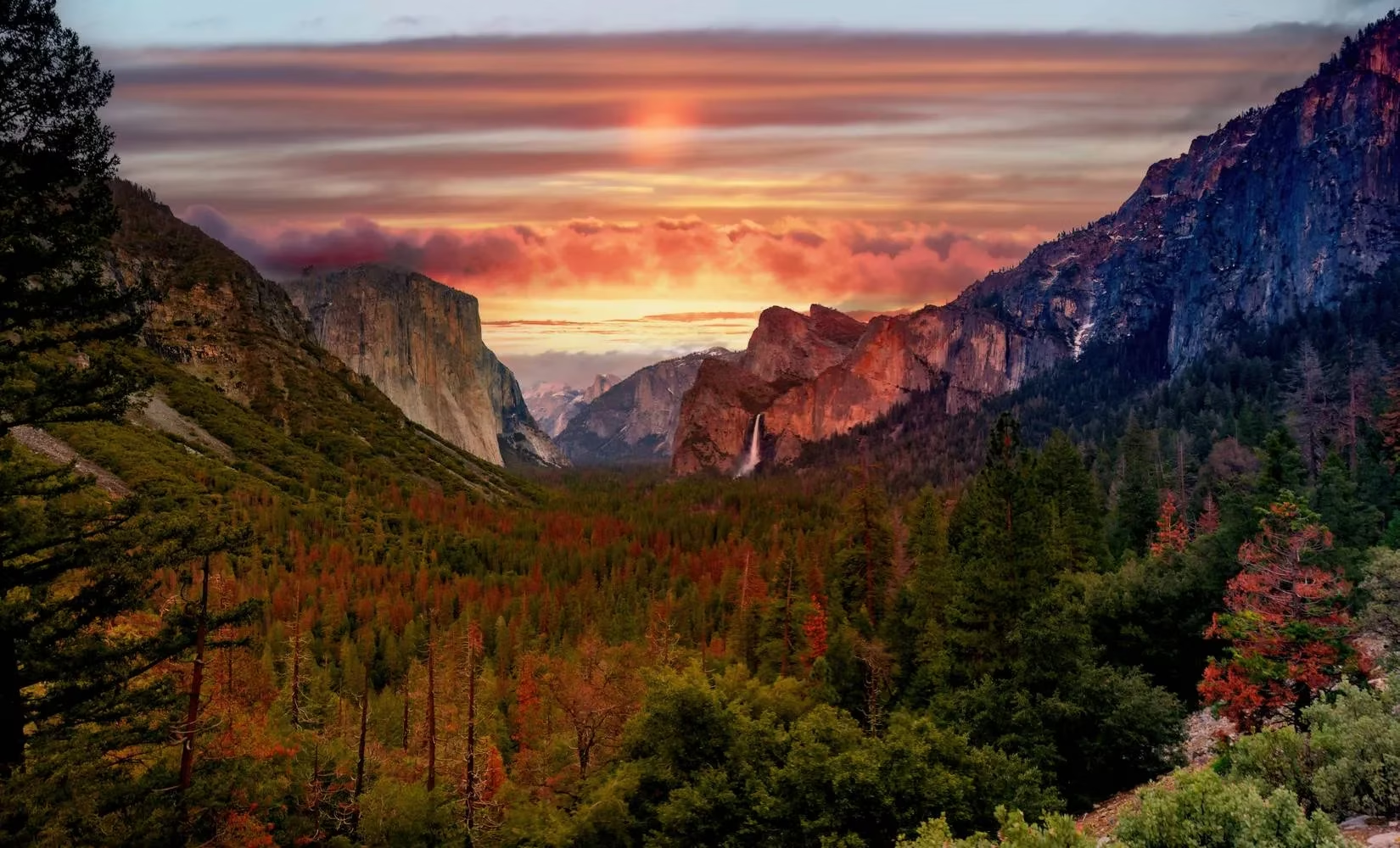
Why should I care about a pond turtle? As omnivorous scavengers, northwestern pond turtles are a key part of Yosemite’s food web. They provide sustenance for native predators such as river otters, black bears, and coyotes, while feeding on and controlling populations of aquatic plants. They also contribute to crucial nutrient cycling by consuming decaying organic matter. The northwestern pond turtle is an indicator species, meaning its presence, absence, and overall well-being denote the health of the ecosystem it inhabits. Because it lives in both aquatic and terrestrial ecosystems, it is particularly sensitive to environmental changes such as temperature and precipitation shifts, droughts, habitat loss, and invasive species. So the recuperation of the northwestern pond turtle confirms the eradication of the invasive American bullfrog and the recovering health of Yosemite’s ecosystems.
In 2026, with so much environmental news that feels like a gut punch, Yosemite’s northwestern pond turtle is a reminder that invasive species removal can pay off. It is a slow win—turtle-speed, naturally—but a win nonetheless. I’m not saying a turtle saved Yosemite, but the data is pretty clear that removing bullfrogs gave native species room to breathe. And honestly, I’m here for it. 🐢✨
Leave a Comment
Comments