
During the final stretch of summer 2025, the Garnet Fire transformed Yosemite National Park into a case study in wildfire smoke, and the episode is drawing fresh scrutiny as California prepares for the 2026 fire year. The blaze started on Aug. 25 and had burned nearly 50,000 acres, ranking as California's third-largest fire of 2025 and standing at 14% containment during one Monday morning update. Smoke settled over Tuolumne Meadows and other parts of the park, pushing air quality into unhealthy territory and forcing managers to warn visitors away from outdoor activity.
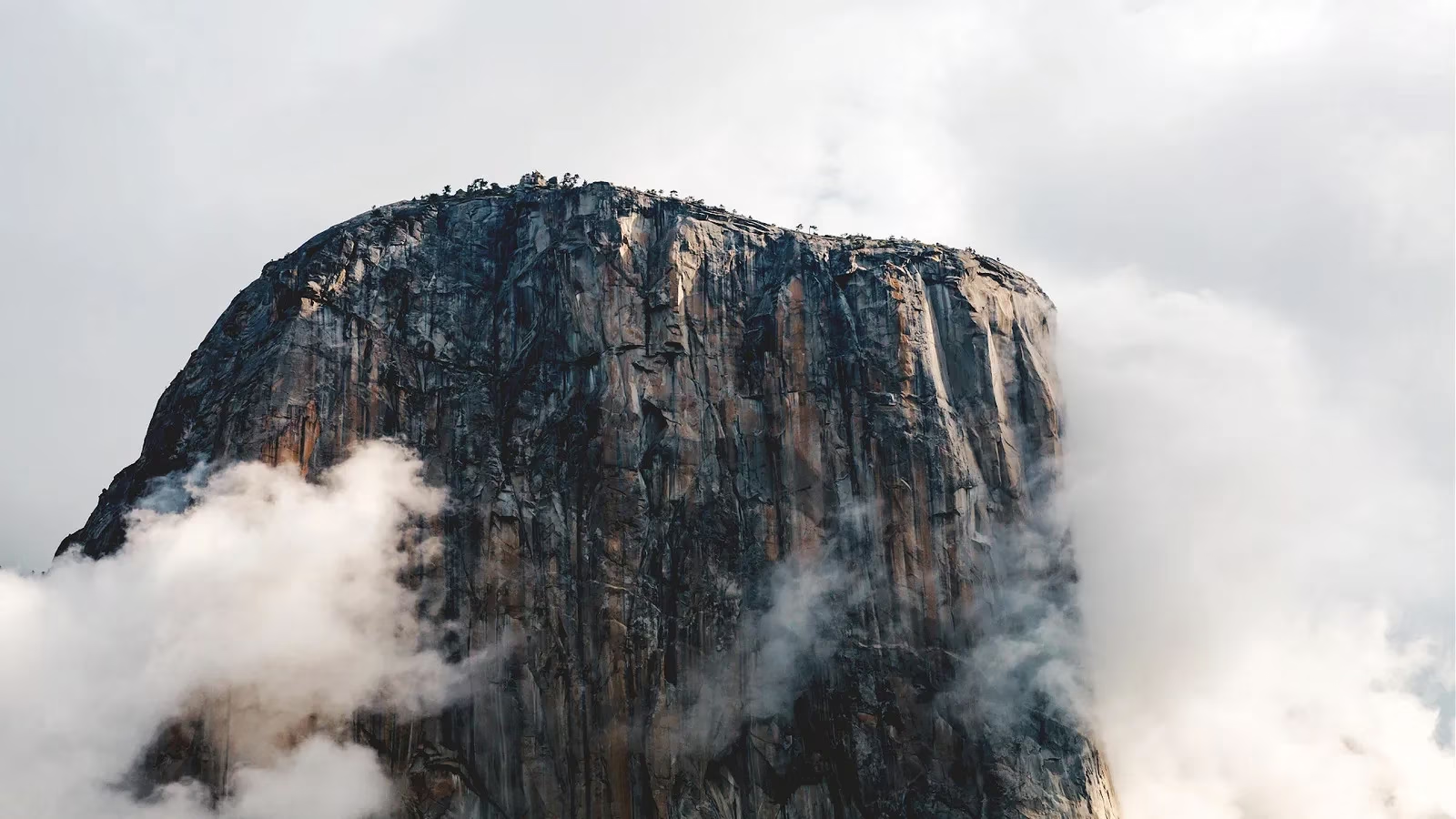
The park's Facebook notice was blunt. Authorities said smoke from nearby wildfires was creating unhealthy air quality in parts of Yosemite, especially Tuolumne Meadows, and warned that conditions could become very unhealthy or hazardous later that day and overnight. Visitors were told to discontinue all outdoor activities, including camping, take frequent breaks and reduce time outside. Officials also urged people to watch for shortness of breath, chest discomfort and coughing.
Hundreds of people shared the post within hours, and the comments revealed a familiar mix of frustration and resignation. Some noted that fires are typical in those months. Others asked whether they could recover camping reservation costs. Managers responding through the park's page confirmed that cancellations could be handled through the federal recreation reservation system. Several commenters recalled past September trips that ended in wildfire evacuations, underlining how routine smoke disruptions have become in the Sierra Nevada.
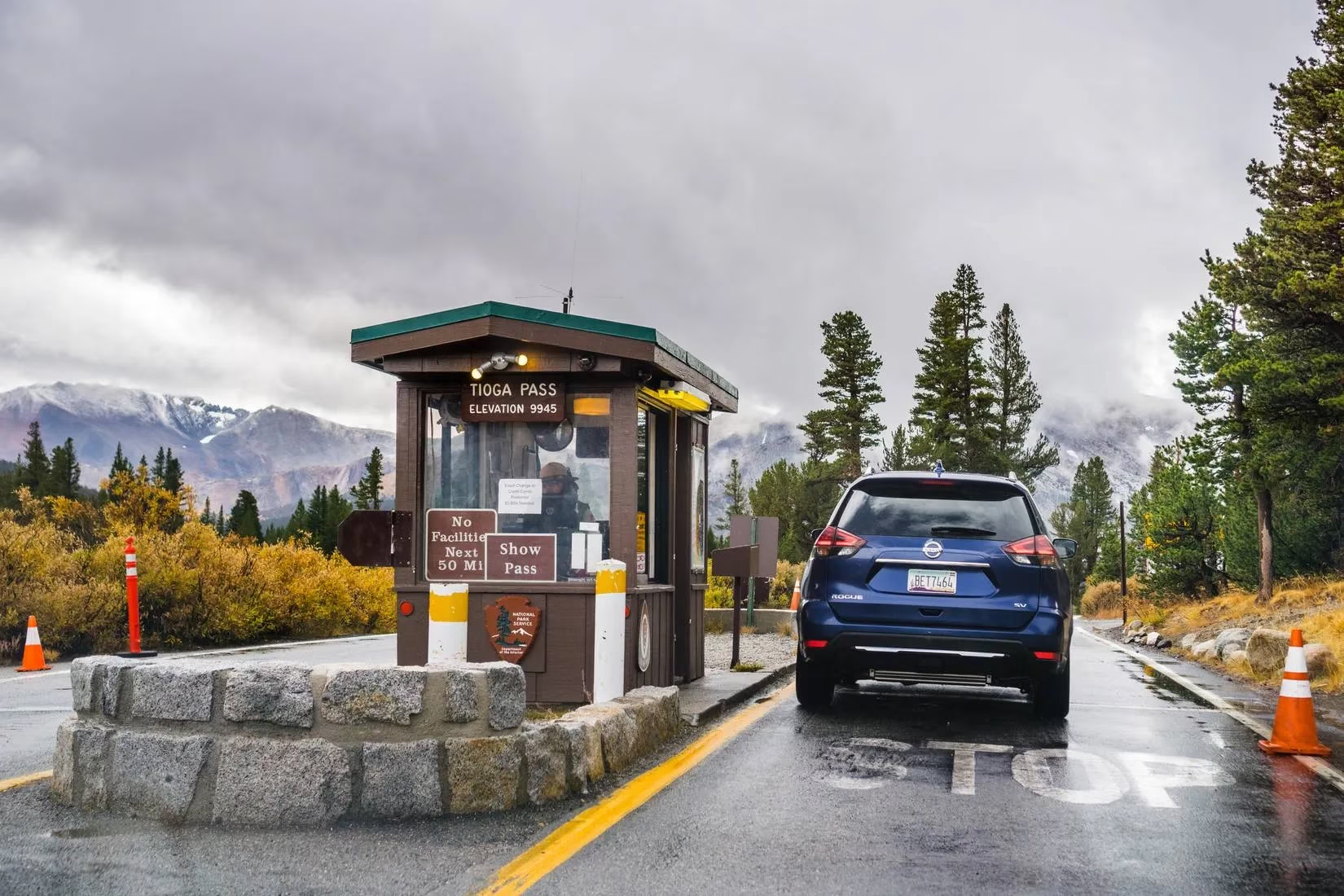
The smoke was only one part of the story. The Garnet Fire entered the Dinkey Creek drainage, an area packed with dead and downed trees that had not burned in roughly 90 years. A Forest Service spokesperson, Adrienne Freeman, told SF Gate that the situation worsened sharply over the weekend when the fire reached that drainage. Many of the trees there had been killed by bark beetles in previous years, leaving large logs and mature dead wood that fed rapid spread. Freeman said the fire was not expected to hold in Dinkey Creek, which is why crews had been building alternate contingency and emergency lines to the west and northwest.
| 2025 Garnet Fire snapshot | Detail |
|---|---|
| Start date | Aug. 25, 2025 |
| Acreage | Nearly 50,000 acres |
| State ranking | Third-largest California fire of 2025 |
| Containment | 14% at one Monday update |
| Key impact | Unhealthy smoke in Yosemite, especially Tuolumne Meadows |
| Ancient trees | McKinley Grove giant sequoias threatened |
The fire also pushed into McKinley Grove, a small and isolated giant sequoia grove that is home to between 150 and 200 ancient trees. Firefighters had previously installed sprinklers at the base of sequoias there to protect them, but the measure did not stop the Garnet Fire. In an initial damage assessment on Monday morning, the Forest Service observed one sequoia with fire burning in its crown. The full extent of the damage remained unknown, and officials could not say when Yosemite's air quality would return to healthy levels.
Beyond the park, the fire affected the gateway towns of Wawona and Oakhurst, the Sierra Nevada crest and several communities in the Eastern Sierra on the edge of the Great Basin. In the same period, Mount Rainier disappeared behind thick smoke and some trails were closed, while Yosemite visitors reported landscapes that looked unrecognizable. The wider lesson for 2026 is that smoke can close a flagship park even when flames stay outside its most famous valleys.
⚠️ For travelers, the practical takeaways are clear:
-
Check air quality and park alerts before entering a smoke-affected area.
-
Treat official health warnings as operational closures, not suggestions.
-
Ask about cancellation and refund rules before a trip.
-
Expect sudden changes in visibility, trail access and camping availability.
-
Watch for symptoms such as coughing, chest discomfort and shortness of breath.
🌲 For land managers, the Garnet Fire reinforced a harder truth. Dead wood, beetle-killed forests and long-unburned drainages can turn a distant fire into a smoke crisis and a cultural-loss risk at the same time. The survival of ancient sequoias cannot rely on sprinklers alone. The 2026 planning debate is therefore likely to focus on fuel treatment, evacuation messaging, refund flexibility and real-time air-quality communication.
The Garnet Fire's legacy is less about one closure than about a new planning reality. In a warming climate, a national park can be unsafe long before a flame reaches its signature landmarks. Yosemite's smoke crisis showed that parks must manage for the invisible hazard as carefully as they manage for fire itself.
Leave a Comment
Comments