
I’ve been hiking through virtual and real-world trails for years, and if there’s one thing that gets my heart racing — besides a boss fight — it’s knowing that one of my favorite parks, Yosemite, is entering a kind of danger zone. Not the dramatic burning-right-now kind, but the slow-simmering risk that nobody talks about until it’s too late. And guess what? The window to do something about it is slamming shut right now, in spring of 2026.
The whole drama started with the federal shutdown that stretched into late 2025 and early 2026. Parks limped along on skeleton crews, and while visitors grumbled about unplowed trails and overflowing trash, something far more critical slipped through the cracks. Yosemite — a place that literally breathes fire management — missed its prescribed burn season. Yeah, you heard me right. The very thing that keeps this iconic landscape from turning into a tinderbox didn’t happen on schedule.
Cassius Cash, President and CEO of the Yosemite Conservancy, sounded the alarm on a National Parks Traveler podcast not long ago. He said something that stuck with me: “This is the time that we’ll be thinking about burning... so we’re missing these burn windows, and God knows that Yosemite has a long-standing history of fire.” The man isn’t exaggerating. This isn’t some casual campfire we’re talking about — it’s the deliberate, surgical use of flame to save the forest from its own combustible overabundance.
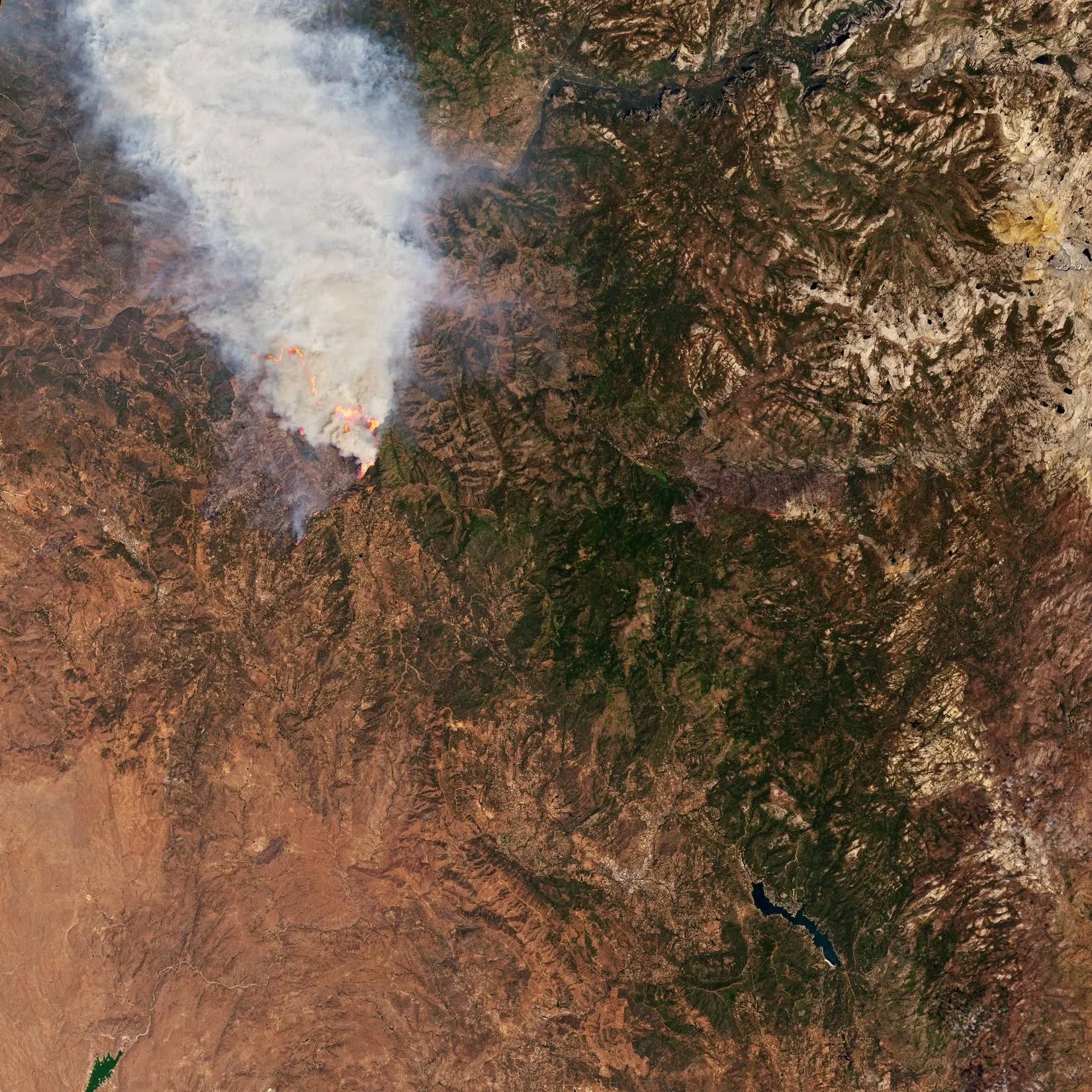
Okay, let me back up for a second. If you’re new to this, prescribed fire — also called a controlled burn — is exactly what it sounds like. Fire managers set the woods on fire on purpose. I know, it sounds a little nuts, like lighting a fire to fight a fire, but stick with me. These burns are planned down to the smallest detail: the humidity, the wind speed, the exact amount of dry brush that can safely go up in smoke. The goal? To clear out all that excess vegetation — dead logs, thickets of pine needles, you name it — before a stray lightning strike or a carelessly tossed cigarette turns the whole valley into a headline. Think of it as spring cleaning, except with a drip torch and a whole lot of PPE. And pile burning? That’s the nerdy cousin where crews stack up fallen branches and hazardous trees and torch them when conditions are right, removing unsightly and dangerously flammable clutter.
Now imagine Yosemite as a veteran marathon runner who always stretches before a race. The prescribed burns are that warm-up routine. Early spring and late fall are the golden windows. I mean, we’re talking about a rhythm that’s as old as the park’s modern management. Back in November 2020, preparations started on the 9th; in 2024, residential pile burning kicked off on November 15th. This year? The shutdown kept those crews grounded. And even though prescribed fires can sometimes happen in early winter or spring, the delay is like showing up at the starting line with a cramp and hoping for the best. The land is holding its breath, and every dry day that passes without that controlled burn is a missed rep — a weakness that future flames will exploit.
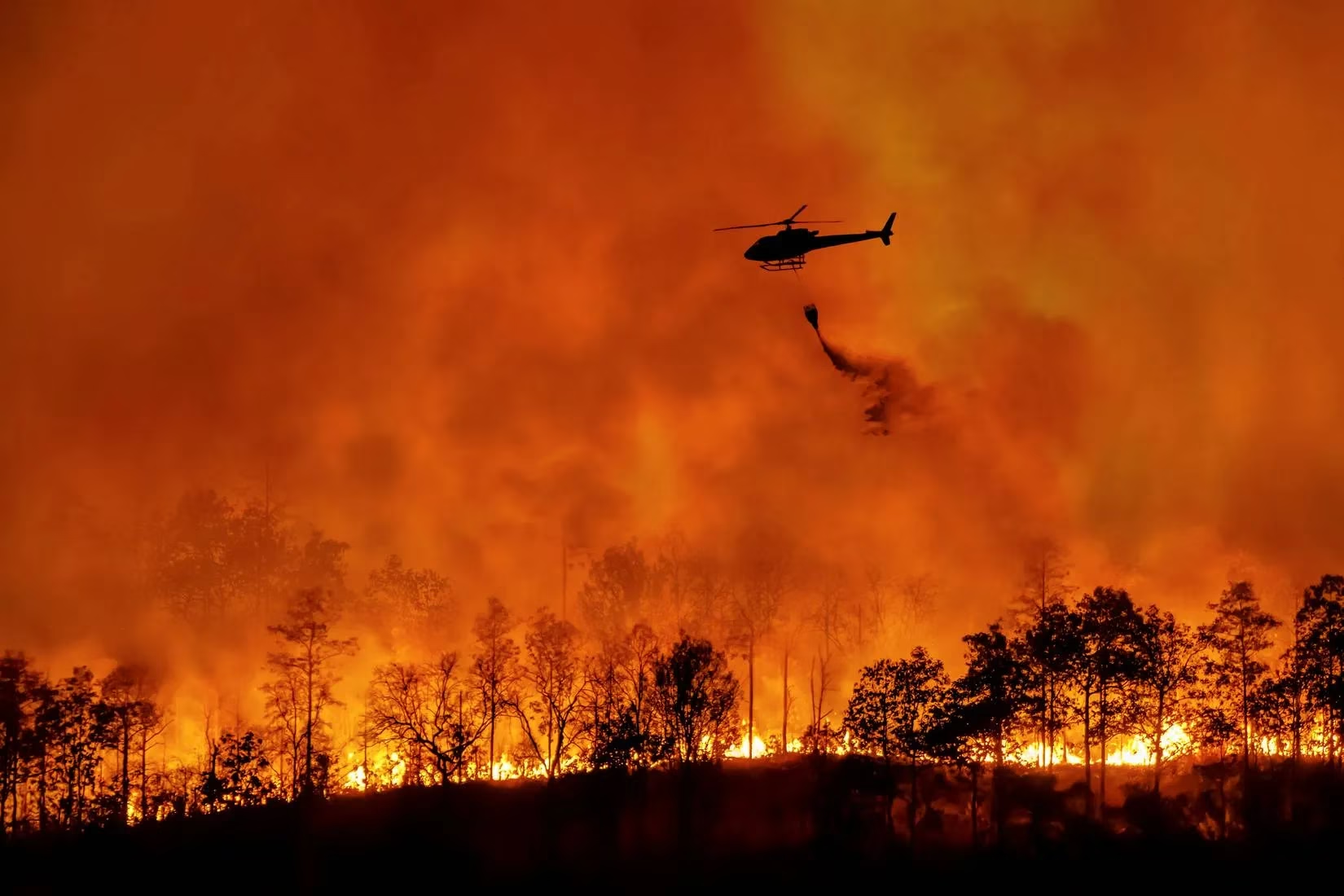
Here’s where the fingers start pointing, and honestly, they’re all justified. The National Park Service is already operating with about 24% fewer staff compared to a few years ago, and that’s before we even factor in the shutdown chaos. Trail maintenance, visitor centers, law enforcement — all running on fumes. Meanwhile, Yosemite has seen a surge in lawlessness, from graffiti at Arches to general disrespect for park rules. When you put all that together, it’s not just a delay; it’s a recipe for a 2026 summer that could make the Rim Fire of 2013 look like a campfire story. We’re talking about a place that in recent years alone faced the Washburn Fire, the Red Fire, and the Oak Fire, each one threatening homes and ancient sequoias. The preventative measures that held those monsters at bay? They’re the very things now sitting on a back burner while bureaucracy plays out.
What really gets me is that nature doesn’t wait for appropriations bills. The brush is growing, drying out under an increasingly warmer spring sun. Every gust of wind is a roll of the dice. I can almost hear the forest whisper, “Hey, aren’t you forgetting something?” But nobody’s lighting that prescribed fire this week, next week, or maybe at all before the scorching months arrive. And so the gamble begins. Will lightning strike in July and find a forest that’s been proverbially holding its breath all winter? Or will a party of careless campers send up sparks that find instant fuel in a landscape whose scheduled cleanse was canceled? Only time — and a lot of anxious smoke-watching — will tell.
I wish I could end this on a happy note, with a patch note announcing a fix. But Yosemite is a live, breathing system, and the glitch in this case was human. So here I am, crossing my fingers that the 2026 fire season turns out merciful. If you love these places like I do, it’s worth understanding that sometimes the best way to protect a park isn’t to keep your hands off it — it’s to step in with a carefully lit match and a whole lot of know-how. Let’s just hope the window doesn’t close entirely before someone remembers that.
Leave a Comment
Comments