
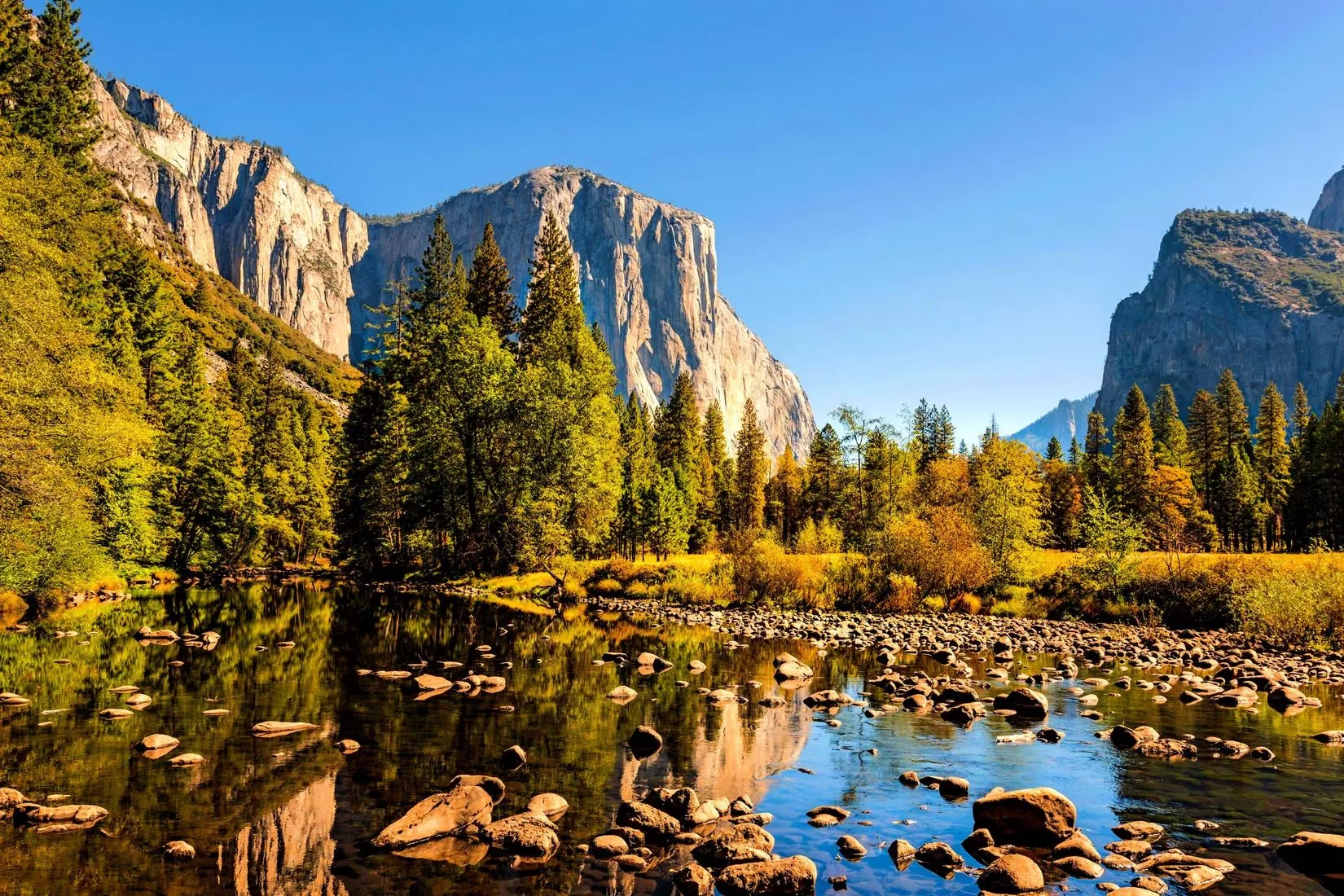
Standing here in Yosemite Valley, gazing up at El Capitan, I’m reminded that this land’s soul runs deeper than its granite cliffs. The air hums with ancient stories, long before it was ever a national park. Honestly, it’s about time we acknowledged whose home this truly was. For generations, the Southern Sierra Miwuk Nation called this breathtaking landscape home, only to be forcibly removed when the park was established. Now, in 2025, a powerful shift is happening: 900 acres of their sacred ancestral land, including the vital Henness Ridge area, has finally been returned. It’s not just a legal transfer; it feels like a long-overdue homecoming, a stitch in a deep historical wound. Let me tell ya, witnessing this moment gives me chills – it’s history breathing again.
The Weight of History: Displacement and Loss
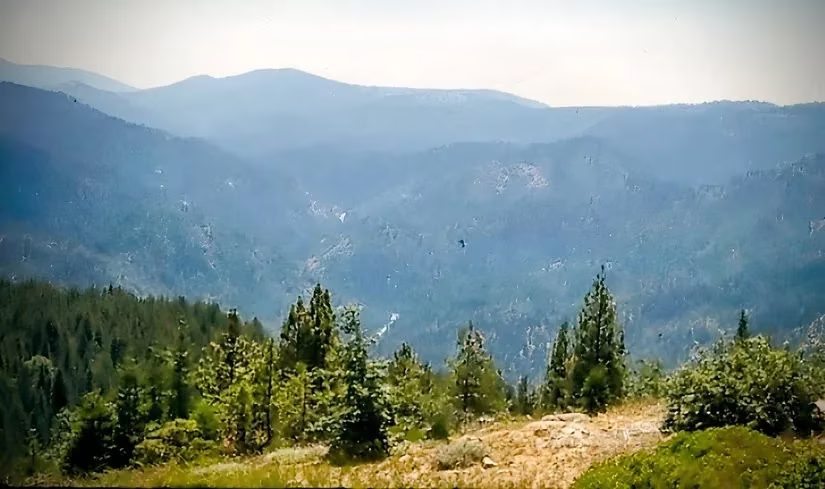
The story of this land is etched with pain. Back in the late 1800s, the Gold Rush wasn't just about prospectors seeking fortune; it was a tidal wave of displacement for Native peoples. The Southern Sierra Miwuk, stewards of these mountains and valleys for millennia, were relentlessly pushed off their homelands to make way for logging and, eventually, the creation of Sierra National Forest, Stanislaus National Forest, and Yosemite National Park itself. The final, cruel blow came in 1969. Can you imagine? The very few remaining Miwuk families living near Henness Ridge, holding onto their connection, were expelled by the National Park Service itself. They lost not just land, but a critical cultural artery – the foot trail linking the Central Valley to Yosemite Valley, a path walked by their ancestors.
The Long Road Home: Reclamation and Sovereignty
Fast forward 56 years, and the tide has turned. Thanks to the dedicated efforts of the Pacific Forest Trust, who stewarded the land for the past two decades to shield it from development, and a crucial grant from the California Natural Resources Agency, this vital 900-acre parcel has been voluntarily signed back to the Southern Sierra Miwuk Nation. For Tribal Council Chair Sandra Chapman, this is pure healing: "Having this significant piece of our ancestral Yosemite land back will bring our community together to celebrate tradition and provide a healing place for our children and grandchildren. It will be a sanctuary for our people." This isn't just about ownership; it's about reclaiming agency. No longer will the tribe need permission from the Park Service to access resources, gather traditional plants, or practice ceremonies on this specific land. It’s a monumental step towards true sovereignty.
Why This is Good News for Everyone (Including Park Visitors)
Okay, I get it. Some folks visiting Yosemite might wonder, 'Does this mean less park for me?' Short answer? Nope, not really. Let's break it down:
-
Size Perspective: 900 acres sounds substantial, but in the vastness of Yosemite's 1,100+ square miles? It's roughly 1.4 square miles. You could hike right past it and never know.
-
Location & Access: No named park trails actually run through this specific reclaimed area. Unless someone is deliberately going way off-trail (which is against park rules anyway!), visitors won't accidentally wander onto tribal land. Tribal leaders haven't announced public access plans yet – it's their sacred space to manage now.
-
Ecological Benefits - This is the Big One! This return is actually fantastic news for Yosemite's health. Remember the concerns after the extended government shutdown messed up fire mitigation schedules, leaving the park vulnerable for the 2026 fire season? Well, the Miwuk Nation is eager to reinstate their traditional ecological knowledge:
-
Traditional Fire Practices: Their controlled burning techniques, honed over centuries, create healthier, more fire-resilient forests – benefiting the entire ecosystem.
-
Restoring Balance: Practices like selective harvesting of traditional foods, fibers, and medicines actually promote biodiversity and landscape resilience. As Tribal Secretary Tara Fouch-Moore stated, this stewardship strengthens "relationships with plants and wildlife, and benefit[s] everyone by restoring a more resilient and abundant landscape."
-
A Wildlife Corridor Reborn
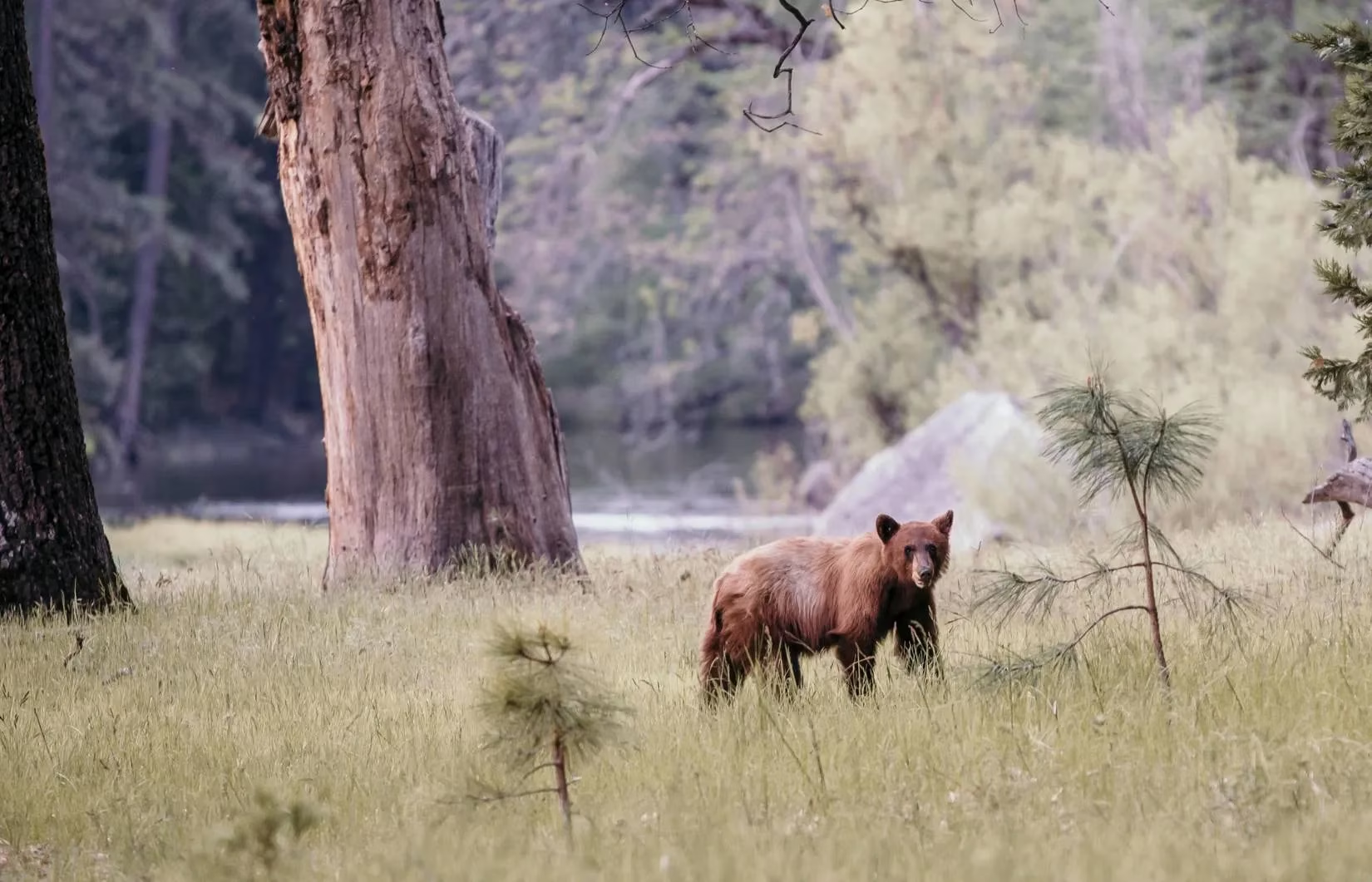
Henness Ridge isn't just culturally sacred; it's ecologically crucial. Animals use it as a major migration corridor. The tribe's return and their commitment to traditional land management is like hitting a reset button for wildlife. Healthier habitats mean better chances for sightings of iconic Yosemite creatures. And hey, studies show visitors love that! So, improved wildlife health thanks to Miwuk stewardship could actually enhance the visitor experience in the surrounding park areas. It’s a win-win-win: for the tribe, for the land, and for the animals that call it home.
More Than Land: A Milestone and a Model
This return, after decades of negotiation, is a massive milestone for the Southern Sierra Miwuk Nation. It’s a tangible step towards justice and a powerful assertion of their enduring connection to Yosemite. But honestly? It feels bigger than that. It feels like a turning point, a model for how returning stewardship to original caretakers can heal landscapes and relationships. Seeing the Miwuk Nation finally able to practice their traditions, cultivate their medicines, and care for this wildlife corridor using ancestral knowledge... it injects a profound sense of hope into Yosemite's future. The land is breathing easier, and so, perhaps, are we all. This isn't the end of a journey; it feels like the real beginning.
Leave a Comment
Comments