
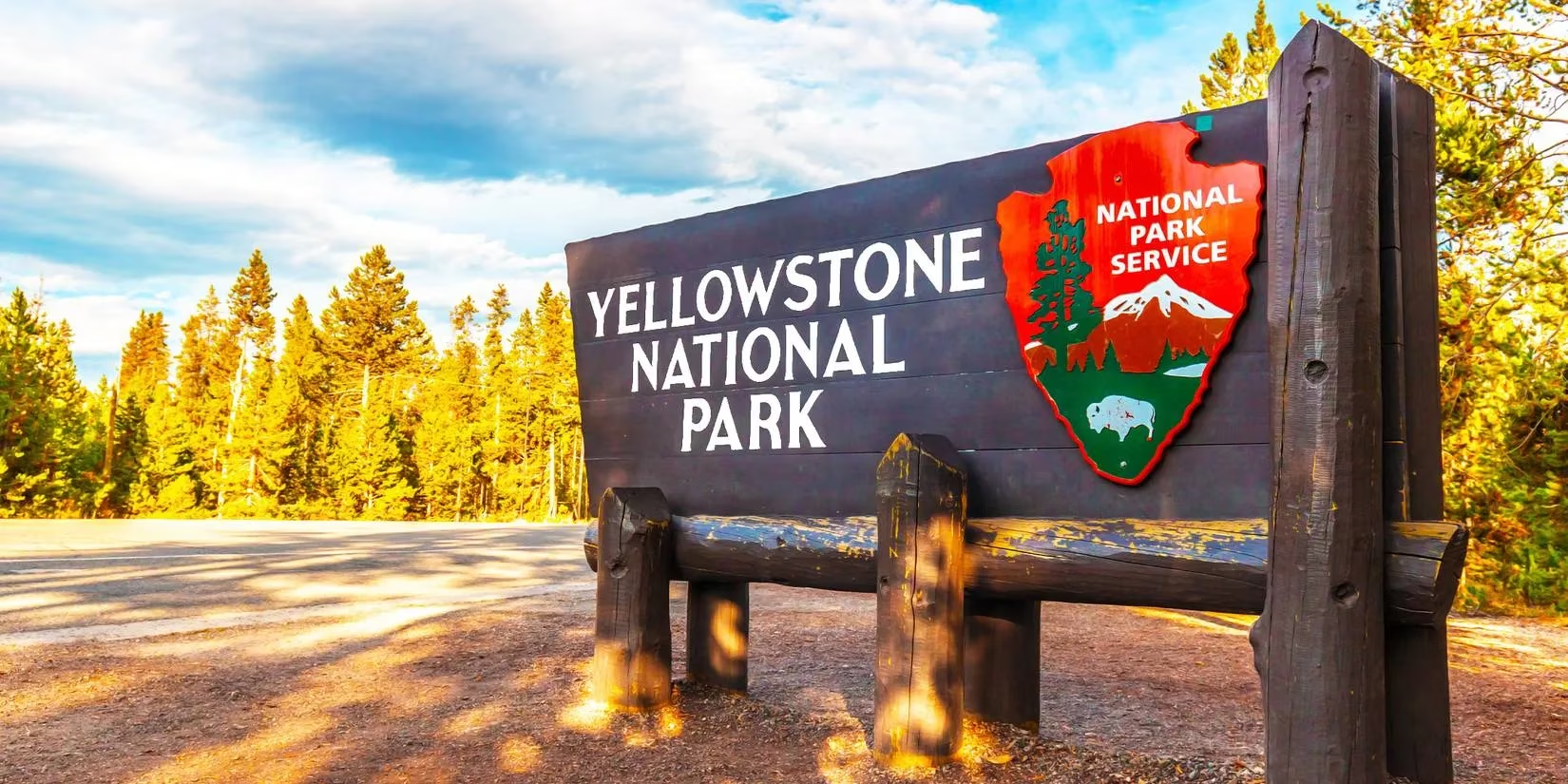
Every year, millions of travelers from across the United States and around the globe set out to experience the country's remarkable national parks and national park sites. From the volcanic landscapes of Hawaii to the glaciers of Montana and the wetlands of Florida, the United States offers an exceptionally diverse collection of protected environments. Among these treasures, one park stands above the rest as a pioneering achievement in conservation: Yellowstone National Park. Established in 1872, Yellowstone is not only the first national park in the United States but also the first in the world, setting a precedent that would inspire over a hundred nations to create their own protected wilderness areas.
A Legacy Born from Exploration
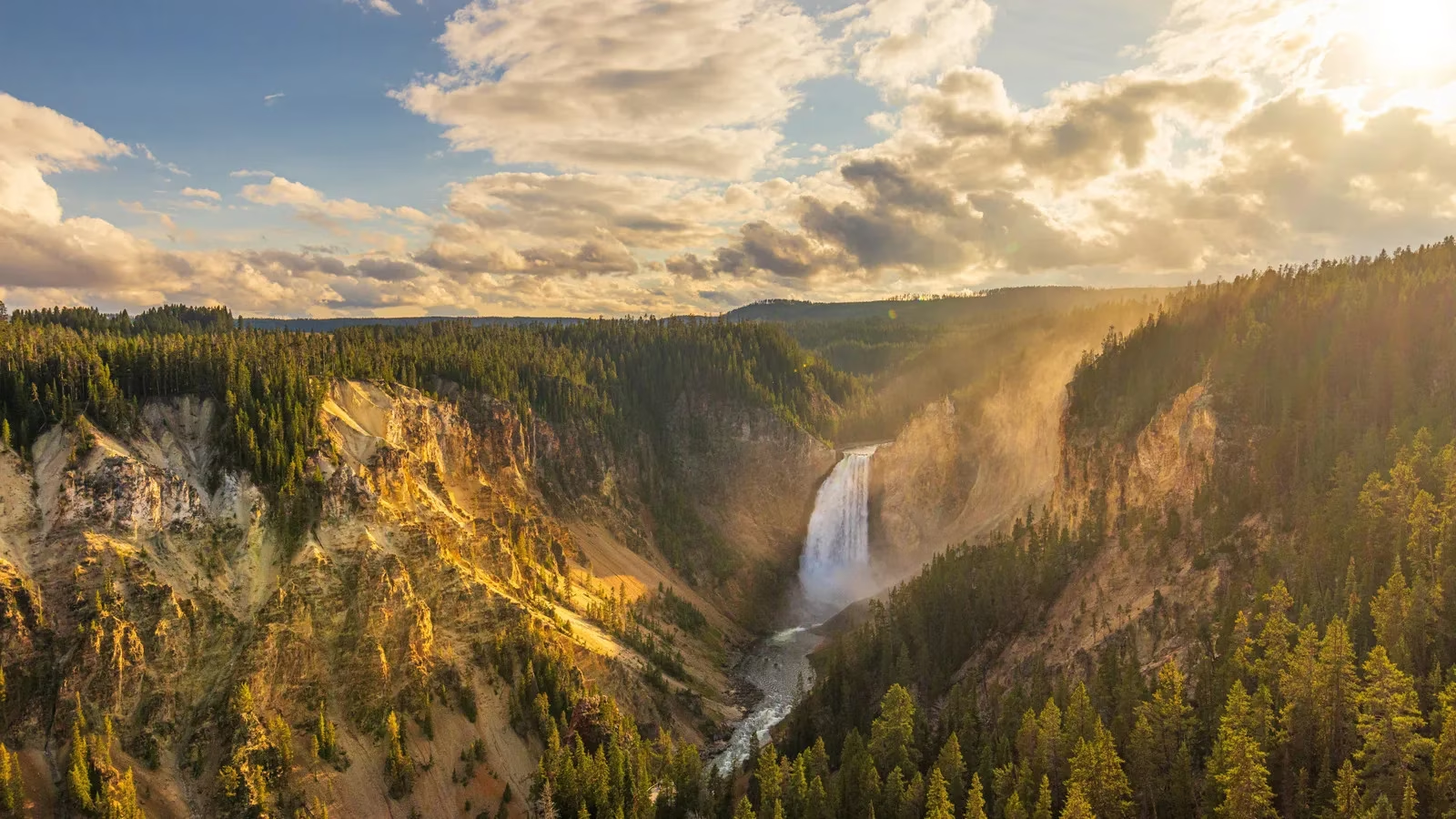
The story of Yellowstone begins with the epic journey of Meriwether Lewis and William Clark, who explored the newly acquired Louisiana Purchase from 1804 to 1806. Their descriptions of the American interior captivated the East Coast and inspired further exploration. A few years later, John Colter became the first person to provide a written account of the majestic area featuring mysterious geysers and thermal hot springs in what are now Wyoming, Montana, and Idaho. Colter recognized immediately that this land was special. On March 1, 1872, President Ulysses S. Grant signed the Act of Dedication, designating Yellowstone as the world's first national park. This historic decision came just years after the Civil War, helping to enrich the nation's identity and establish a global model for preserving natural beauty for future generations.
The Visionaries Who Shaped Conservation
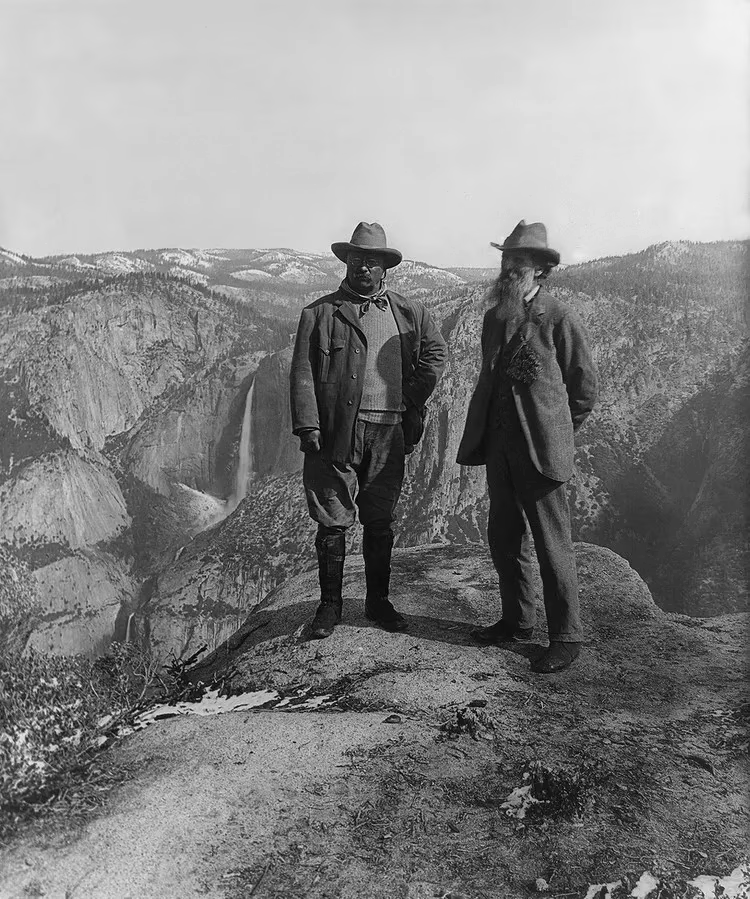
By the early 20th century, America had established several notable national parks, including Sequoia, Yosemite, Glacier, and Mesa Verde. President Theodore Roosevelt, photographed alongside naturalist John Muir at Glacier Point in Yosemite, championed the importance of national parks. Roosevelt famously stated that the establishment of the National Park Service was justified by "considerations of good administration, of the value of natural beauty as a national asset, and of the effectiveness of outdoor life and recreation in the production of good citizenship." Today, adventure seekers, history lovers, and casual day trippers can visit 63 national parks and 433 national park sites across the United States. Other nations have followed America's lead, operating thousands of national parks worldwide that preserve wilderness, historic value, and national heritage.
Yellowstone's Unique Natural Wonders
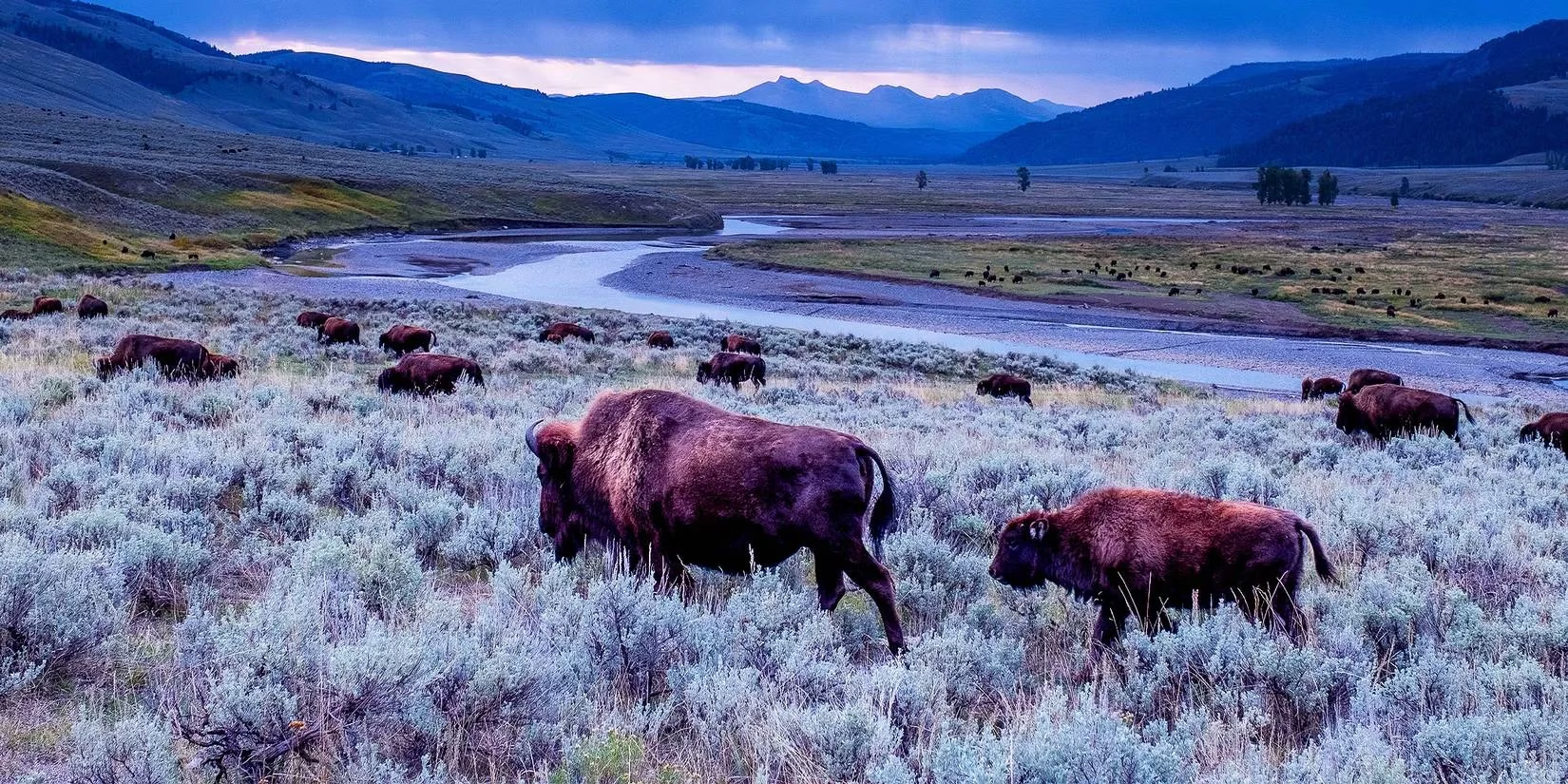
Yellowstone is often regarded as one of the most beautiful and mysterious national parks in the world. Its most intriguing aspect is the abundance of thermal pools and geysers, a result of the park sitting atop a highly geologically active volcanic hotspot. This environment functions as a natural chemistry lab, with geothermal features that look like something from a science fiction movie. Alongside these otherworldly formations, visitors can observe herds and packs of majestic wild animals. However, tourists should remember that these are wild creatures, not cuddly pets; every year, some visitors learn the hard way that Yellowstone is not a petting zoo. 🐻
Wildlife commonly seen in Yellowstone:
-
🦬 Bison
-
🐺 Wolves
-
🦌 Elk
-
🐻 Bears
-
🫎 Moose
Planning a Visit in 2026
For those considering a trip, the best time to visit Yellowstone is from May to October, as many roads close during winter due to heavy snow. Advance planning and reservations are essential given the park's popularity and potential for crowding. Yellowstone charges an entrance fee valid for an entire week. As of recent years, the fees are:
| Entry Method | Fee (USD) |
|---|---|
| Motorcycle or snowmobile | $30 |
| Vehicle | $35 |
Five visitor centers are scattered across the park, where guests can learn about the world's oldest national park and purchase provisions and souvenirs. Unlike many national parks, Yellowstone offers guided tours of certain areas, allowing visitors to learn from experts with the National Park Service. For those flying in, Bozeman Yellowstone International Airport (BZN) in Montana is the best option, located just under a two-hour drive from the park. Renting a car is highly recommended, as Yellowstone covers nearly 3,500 square miles—larger than some states.
A Global Conservation Movement
When Yellowstone was established in 1872, the United States was recovering from war and industrializing rapidly. In the midst of this transformation, the government decided that a particular stretch of wilderness was too beautiful to develop and instead protected it for future generations. This decision unleashed a powerful conservation movement that has since spread across the globe. Today, thousands of national parks dot the earth, with nations everywhere agreeing that some natural wonders deserve protection. Yellowstone remains open to the public, welcoming nearly 4.75 million visitors in 2024 alone. As the world's first national park, it continues to allow millions of future visitors to gaze upon the untouched landscape just as John Colter once did.
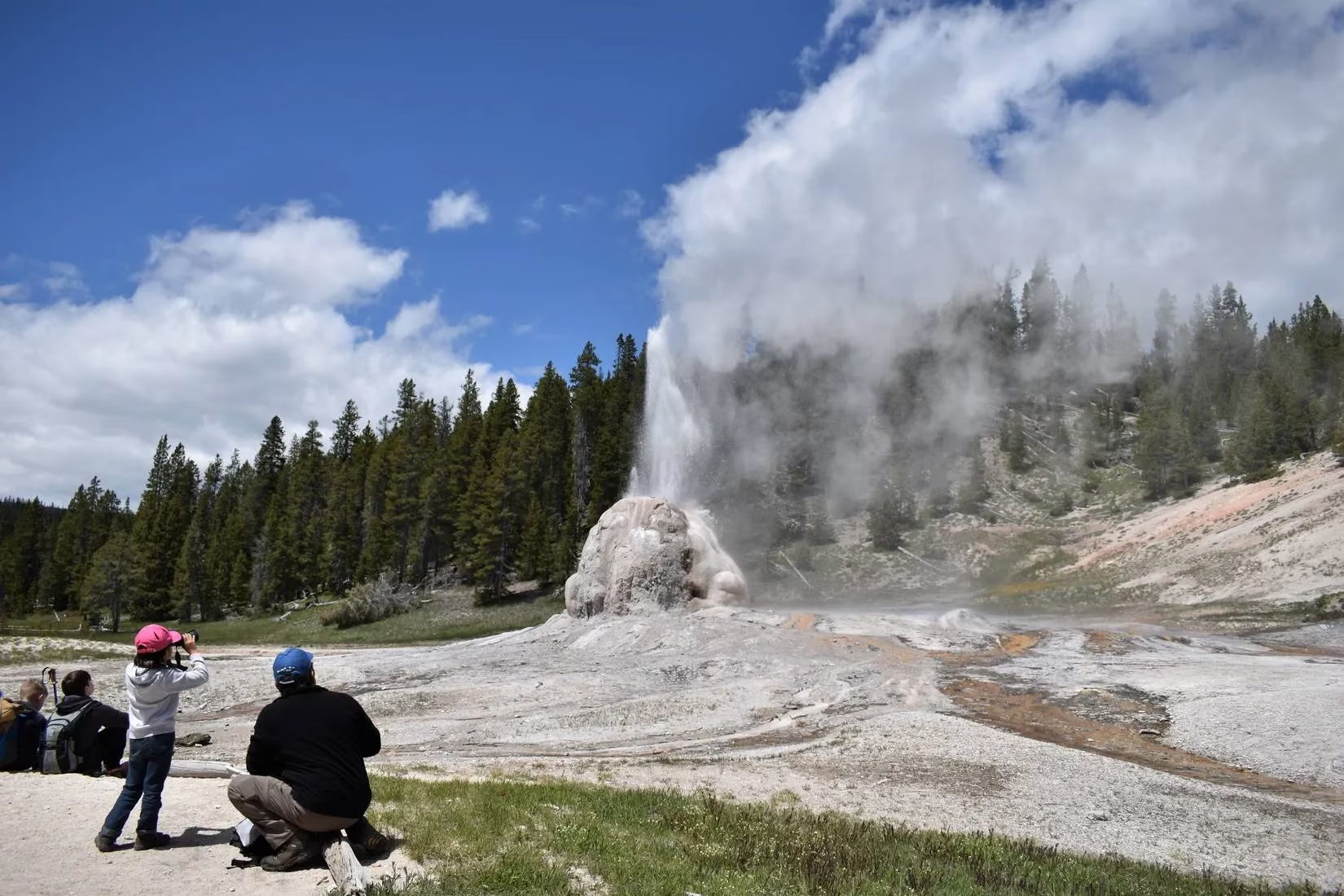
In a time when natural spaces are increasingly under threat, Yellowstone stands as a timeless reminder of the power of foresight and the enduring value of wilderness. Its geysers, wildlife, and vast landscapes continue to inspire awe, ensuring that the legacy of the world's first national park will endure for generations to come. 🌋
Leave a Comment
Comments