
Yellowstone National Park has officially ushered in its winter season, with snow blanketing much of the iconic landscape. As visitors gear up for their frosty adventures, park officials are issuing a crucial warning that boils down to nine simple words: "Avoid cotton—it won't keep you warm when wet." This seemingly minor clothing advice could mean the difference between a memorable winter wonderland experience and a dangerous hypothermia situation.
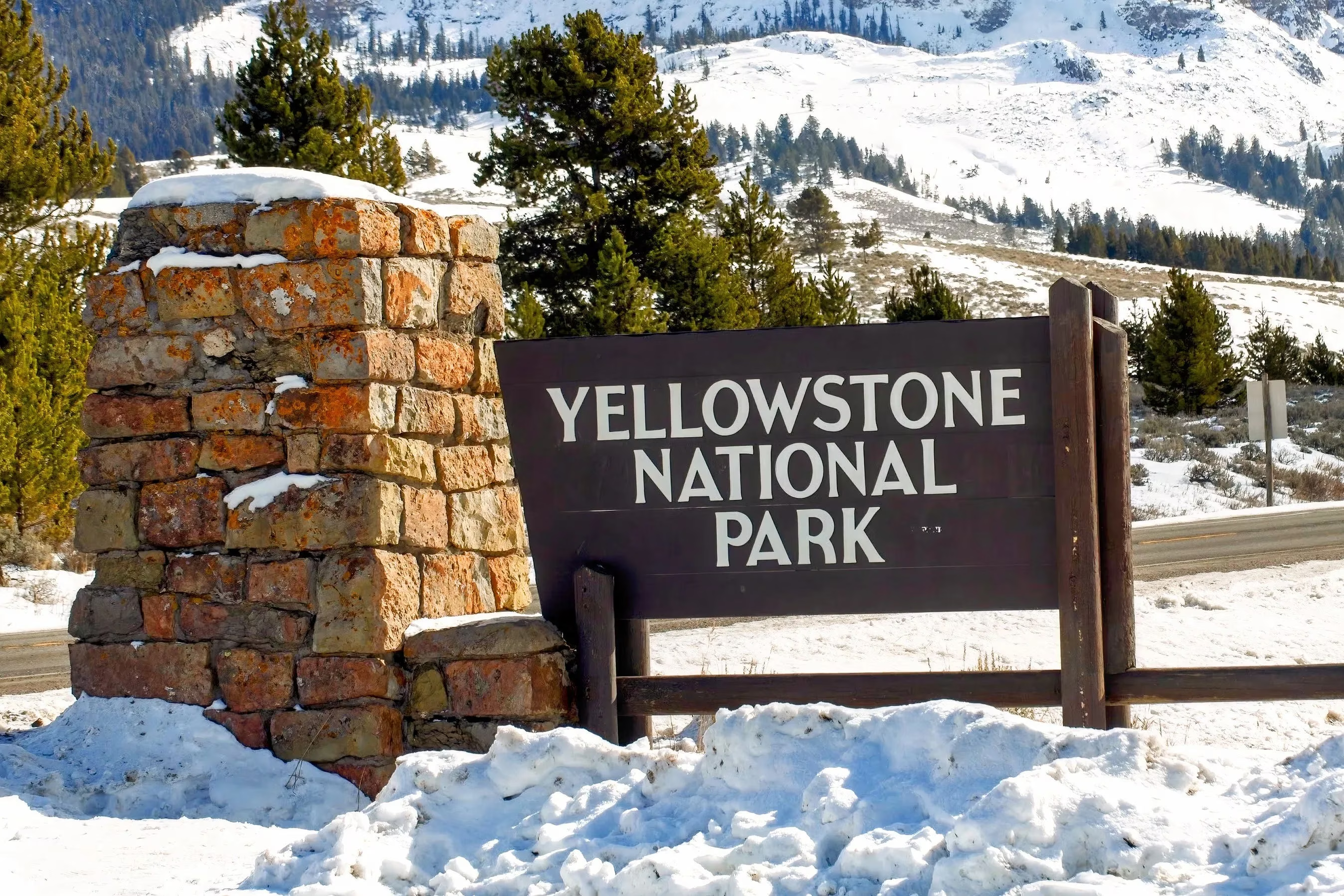
The oldest national park in the United States takes winter safety seriously, and for good reason. Cotton clothing, regardless of how comfortable it might feel, becomes a liability when temperatures plummet. Unlike wool or synthetic materials that wick moisture away from the body, cotton acts like a sponge, trapping moisture and snow against your skin. This moisture retention dramatically reduces body temperature, creating perfect conditions for hypothermia to set in.
Yellowstone isn't alone in this cotton condemnation. Theodore Roosevelt National Park in North Dakota echoes similar warnings in their Preventive Search and Rescue guidelines: "No Cotton! Hypothermia can be deadly... Do not wear cotton even as an under-layer. Cotton fabrics cannot insulate when wet and will not dry quickly."
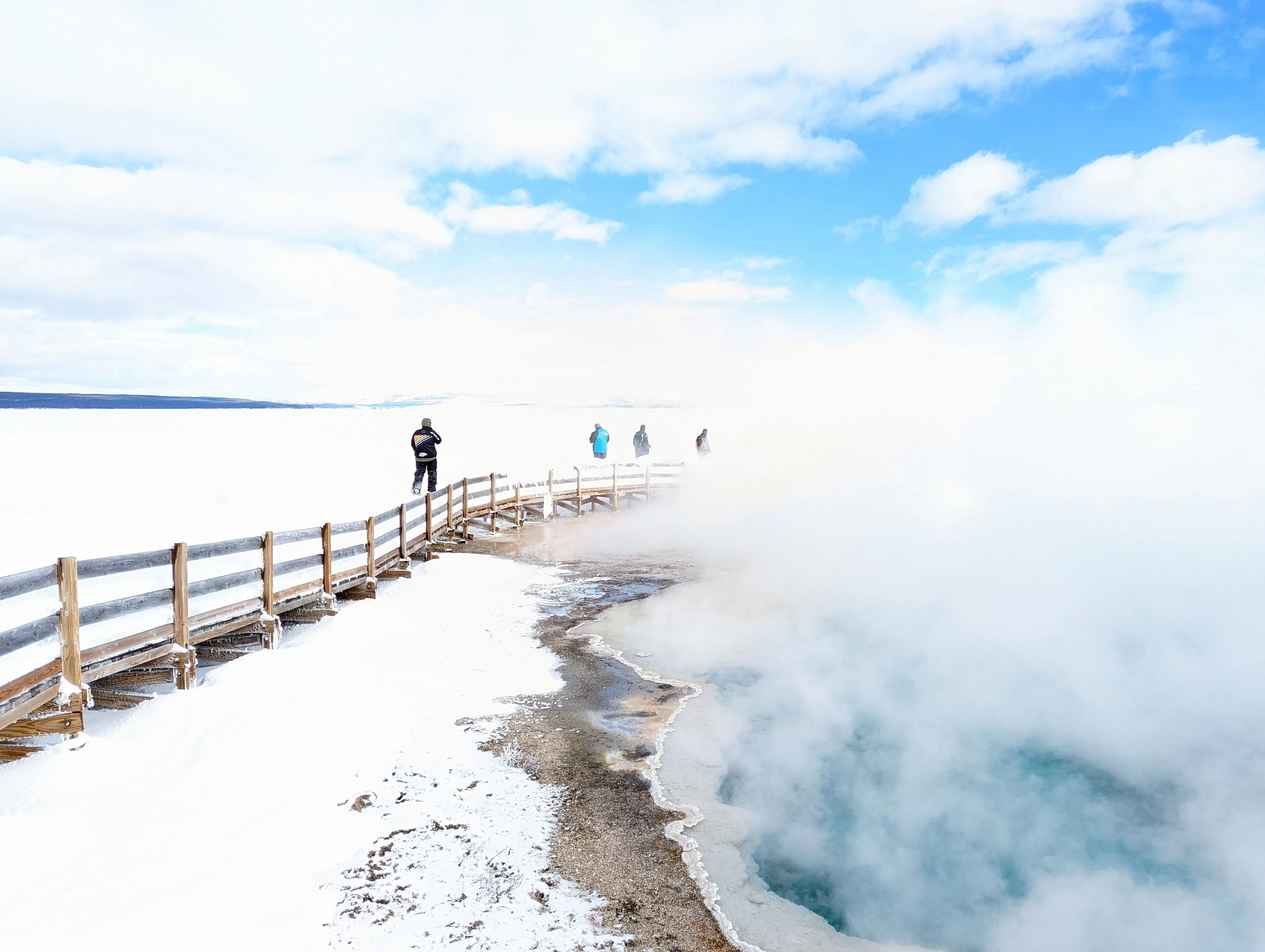
Why Cotton is Yellowstone's Winter Enemy 😨
• Moisture Magnet: Cotton absorbs up to 27 times its weight in water
• Slow Drying: Unlike technical fabrics, cotton takes forever to dry
• Zero Insulation: Wet cotton provides no thermal protection
• Hypothermia Risk: Moisture against skin accelerates heat loss
Park officials emphasize that hypothermia incidents occur annually in Yellowstone, with the most recent tragedy occurring in September 2025 when a canoeist succumbed to the condition. While specific clothing details rarely make rescue reports, the frequency of cold-related emergencies underscores why park rangers are so vocal about proper attire.
The Right Winter Wardrobe for Yellowstone 🧤
Instead of cotton, Yellowstone recommends a strategic layering system:
Base Layer: Moisture-wicking materials like wool or synthetics
Mid Layer: Insulating materials like fleece or down
Outer Layer: Windproof and waterproof shell with hood
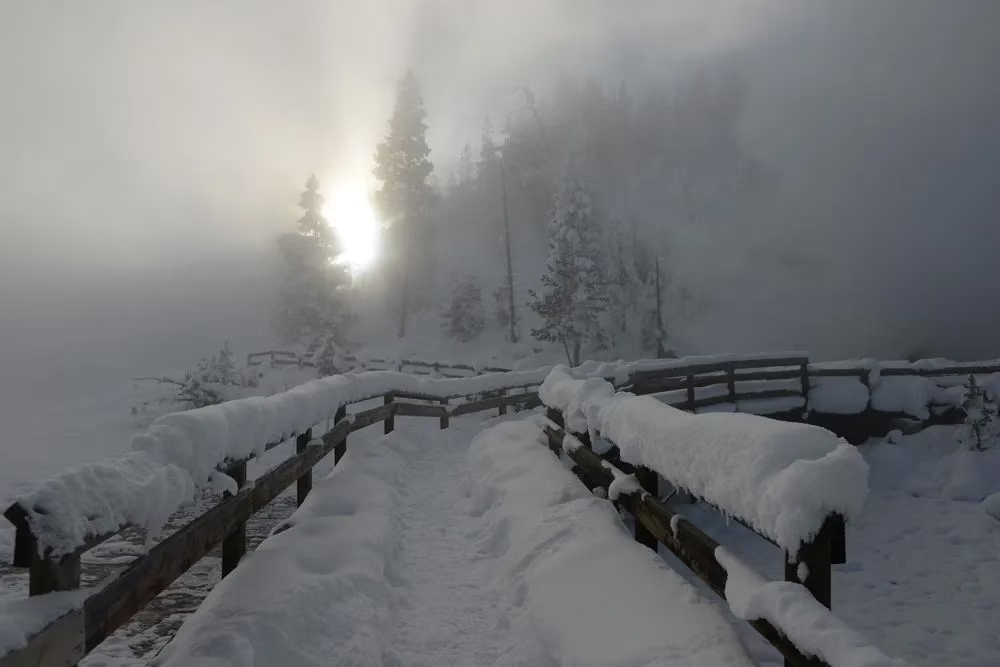
The park's winter guidelines extend beyond clothing warnings to include essential safety measures:
✅ Food and Water: Bring extra supplies in case of delays
✅ Avalanche Awareness: Understand terrain risks in snowy conditions
✅ Emergency Planning: Have communication devices and backup plans
✅ Layer Management: Avoid overheating by removing layers as needed
Winter in Yellowstone means fewer amenities and reduced accessibility to help, making proper preparation non-negotiable. Visitors are essentially "on their own" in much of the park during the colder months, emphasizing why following ranger guidance—including that crucial nine-word cotton warning—is so vital for safe winter exploration.
Leave a Comment
Comments