
The official start of Yellowstone's winter season arrived on December 15, but the familiar white blanket was conspicuously absent. The National Park Service's warning about variable snow accumulation had become a stark reality, leaving the park's famed winter landscape as patchy and unpredictable as a half-finished jigsaw puzzle. Roads that should have been silent, smooth corridors for snowmobiles and snowcoaches were instead bare, brown threads cutting through the terrain, forcing a quiet crisis upon communities whose livelihoods depend on the deep, reliable snows of yore.
❄️ A Season on Hold
With minimal snowfall, the park's winter opening was severely restricted. The festive first weekend, typically buzzing with the high-pitched whine of snowmobiles, was instead marked by widespread cancellations.
-
Cancelled Tours: Guided snowmobile trips to iconic sites like Old Faithful were called off.
-
Shifted Activities: Visitors and outfitters were pushed toward alternative, dry-land pursuits like biking and roller-skiing.
-
Economic Chill: In gateway towns like West Yellowstone, dining rooms and shops remained dark, casting a pall over the holiday season. The vibe, as one might expect, was far from festive.
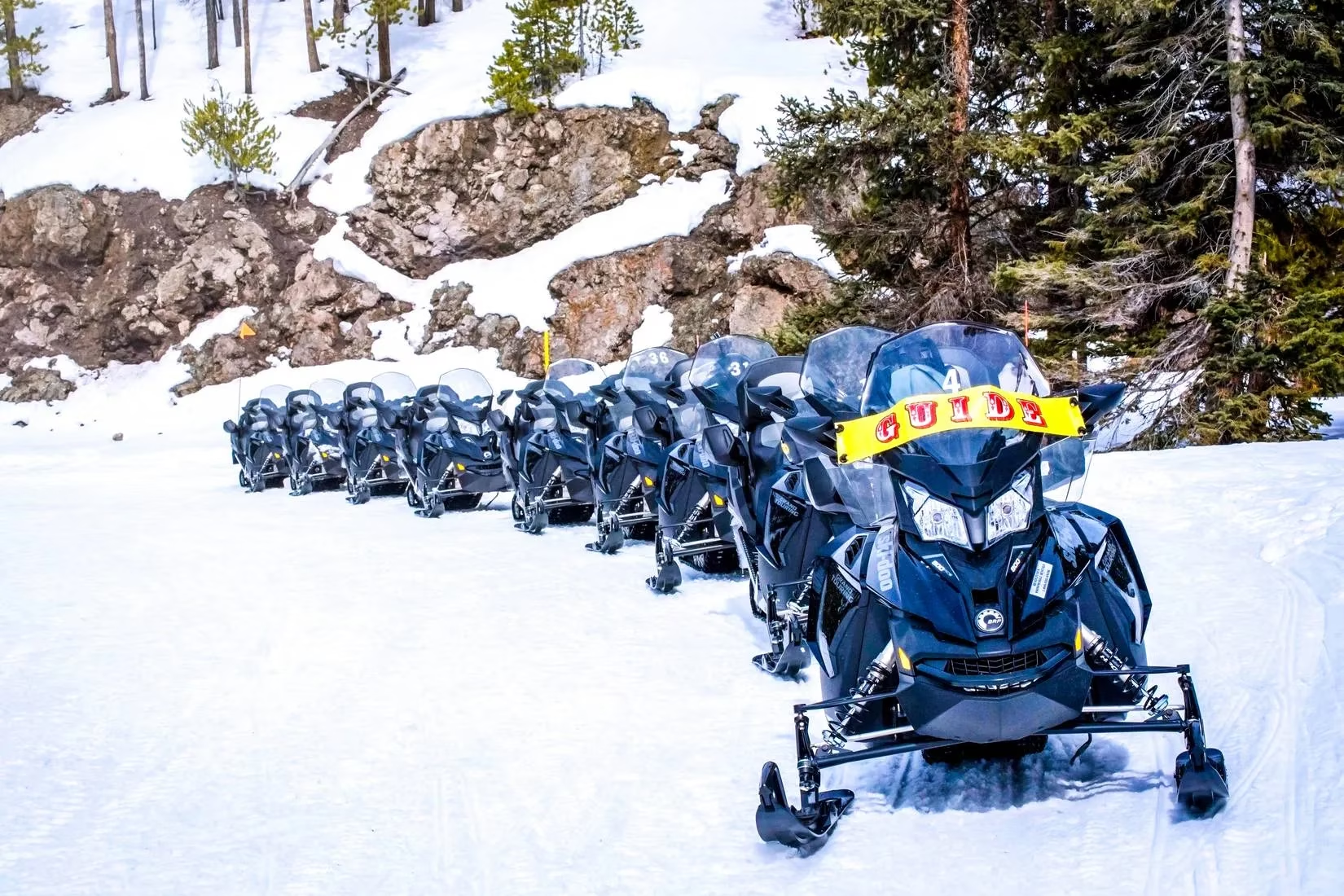
The quintessential Yellowstone winter experience—a guided snowmobile tour—was largely absent in late 2025.
For veterans like Gary Neely, a rider from Pinedale just south of the park, this wasn't a complete shock. He's seen slow winters over his 40 years, noting a clear trend toward warmer conditions in the last decade and a half. He recalled winters in the early 80s with similarly scant snow, a memory that now feels less like an anomaly and more like a harbinger.
🧲 The Snowy Exception: Cooke City
While most of Wyoming and Yellowstone languished in dryness, one small town became an oasis of winter. Cooke City, Montana, nestled right at Yellowstone's Northeast Entrance, was sitting on a healthy early-season accumulation.
"It'll be like a magnet, you know, they'll come in there," Neely remarked. Yet, even this snowy haven faced challenges. Curtis Ewers at the Soda Butte Lodge reported cancellations from visitors intimidated by the very weather they sought—howling winds and sideways-blowing snow that sculpted dramatic new drifts. This created a bizarre paradox: some areas had snow but conditions too fierce for tourism, while the rest of the park had the conditions but not the snow.
🔬 The Bigger Picture: A Warming Ecosystem
The immediate operational headaches for tourism are symptoms of a much larger, scientifically confirmed shift. The Greater Yellowstone Area is warming at an accelerated rate. This leads to:
| Trend | Consequence |
|---|---|
| Less Overall Snow | Reduced snowpack for winter sports and summer water supply. |
| More Winter Rain | Increased flood risks, less stable snow for recreation. |
| Warmer, Drier Winters | Stress on local ecosystems and the wildlife and communities that depend on them. |
USGS scientist Steve Hostetler summarized the gravity of the situation: "The trend towards a warmer, drier climate described in this study will likely affect ecosystems in the region and the communities that depend on them." The winter tourism model in Yellowstone, which evolved like a finely-tuned clockwork mechanism over decades, is now being disrupted by the erratic heartbeat of a changing climate.
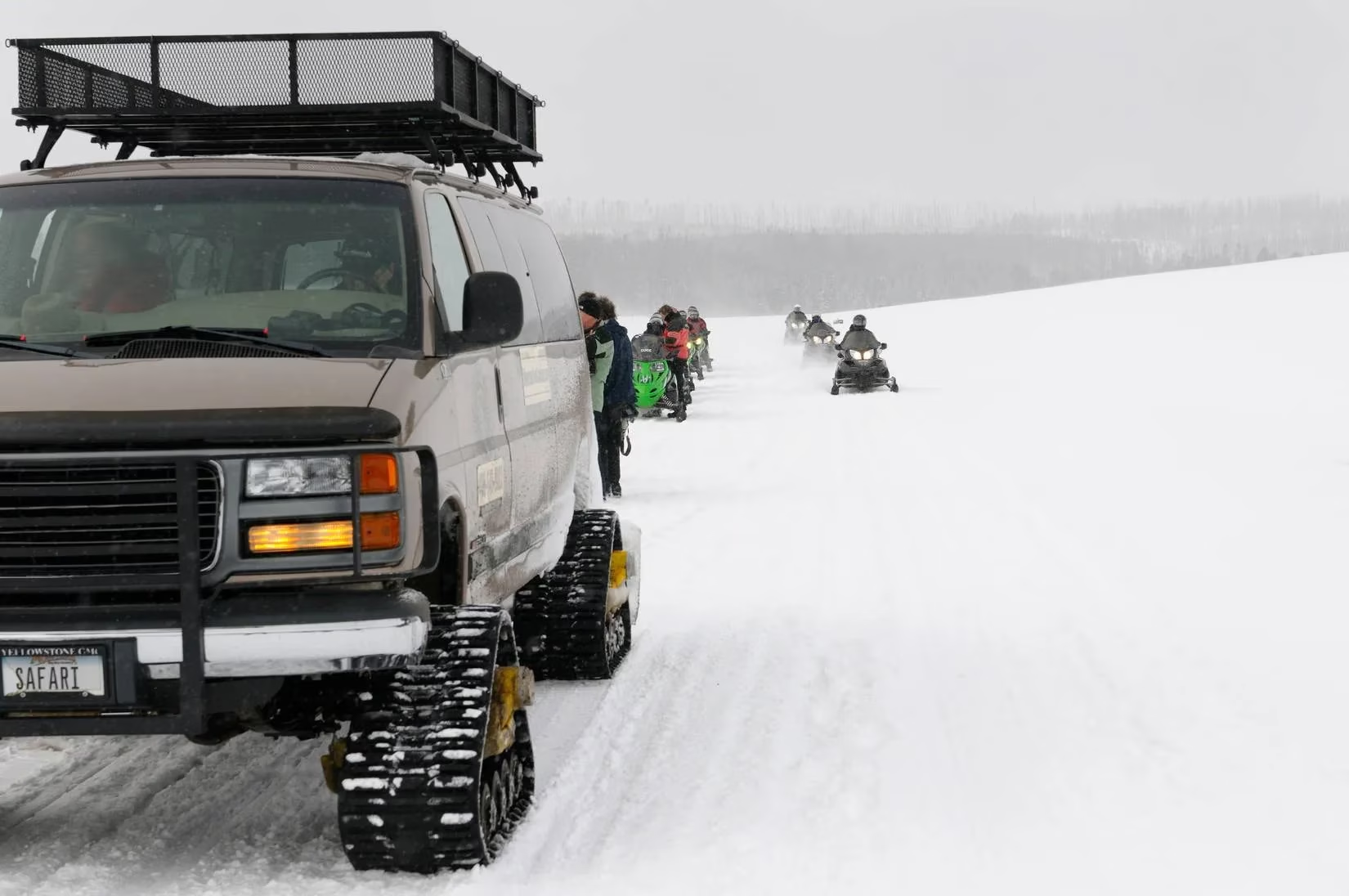
Snow coach tours, a staple of Yellowstone winters, face an uncertain future as snowfall patterns become less predictable.
🤔 The Bizarre Variability
The current situation is a complex cocktail of long-term climate trends and short-term weather variability. While the long-term arc bends toward less snow, recent years have shown wild fluctuations. Some winters in the early 2020s brought heavy snows, making the profound lack in late 2025 feel especially jarring and "bizarre" to locals and operators. This inconsistency is perhaps the greatest challenge—planning becomes a gamble, investments feel riskier, and the very identity of a Yellowstone winter grows fuzzy.
For the businesses and visitors in late 2025, the question is immediate: when will the snow return to save the season? But for scientists, park managers, and the communities of the Greater Yellowstone Area, the questions are far more profound. They are tasked with navigating a future where winter may no longer be a guaranteed, snowy spectacle but a variable season that demands adaptation and resilience, much like the hardy ecosystems the park was founded to protect. The iconic winter landscape is becoming as elusive and fragile as a phantom limb, felt most acutely in its absence.
Leave a Comment
Comments