
As I reflect on my recent experiences in Yellowstone National Park, I'm struck by the profound resilience of this place. The echoes of the recent government shutdown, which ended just before my visit in 2026, still lingered in the air—a subtle tension between the park's majestic permanence and the fragility of the systems that maintain it. While the gates were open and access was restored, the absence of rangers was a quiet reminder of the vulnerability even our most cherished national treasures face. Yet, Yellowstone, in its timeless way, continued to offer moments of pure, untamed wonder that no administrative turmoil could diminish.
My journey led me to the Lamar Valley, a place whispered about in reverent tones by seasoned visitors. It was here that I witnessed something that has become a symbol of the park's enduring spirit. I had heard the story of Cindy Shaffer, who, during the uncertain days of the shutdown, patiently waited by the Lamar River Bridge. She knew the rhythms of the land. Observing one half of a massive bison herd cross, she anticipated the other half would follow, positioning herself perfectly. Her foresight was rewarded with a front-row view of a breathtaking spectacle: the thunderous, graceful trot of bison across the historic bridge, their hooves creating a rhythmic percussion against the wood. Her footage, which captured the hearts of many online, wasn't just a lucky shot; it was a testament to understanding and respecting Yellowstone's natural cadence.
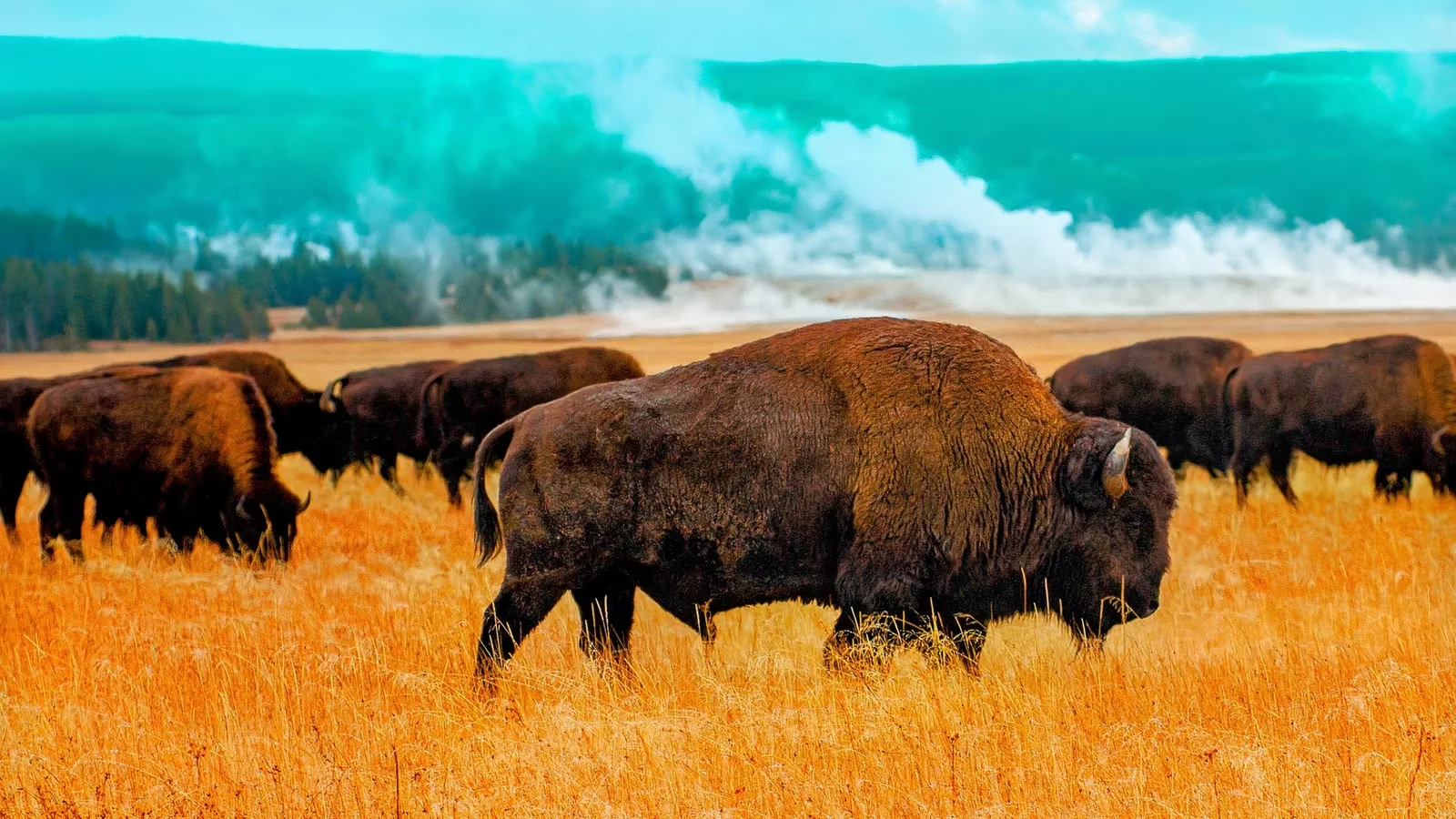
The Lamar River Bridge itself feels like a portal to another time. Learning its history, how access was transformed back in 1883 with the arrival of the Northern Pacific Railroad, added layers to the experience. Standing there in 2026, I wasn't just watching wildlife; I was connected to a continuum of awe that stretches back over a century. This bridge is renowned among enthusiasts as arguably the premier location to witness bison crossings. One online comment that resonated with me perfectly captured the feeling: listening to the click-clack of their hooves is a uniquely joyful sound, a grounding connection to the wild heart of the park even when you're far away.
Of course, visiting such powerful animals requires respect and caution. Travel in these areas can involve unexpected delays—a herd deciding to cross the road is the ultimate traffic jam—and hazards are real. The park's recovery means services are still scaling up. As of my 2026 visit, the National Park Service updates indicate that winter access is primarily through the North Entrance at Gardiner, Montana. From there, the 50-mile drive to Silver Gate unfolds, passing iconic sites like the steaming terraces of Mammoth Hot Springs and the sprawling, wildlife-rich vistas of Lamar Valley. The message is clear: come prepared, for the experience is raw and magnificent in its limited-service state.
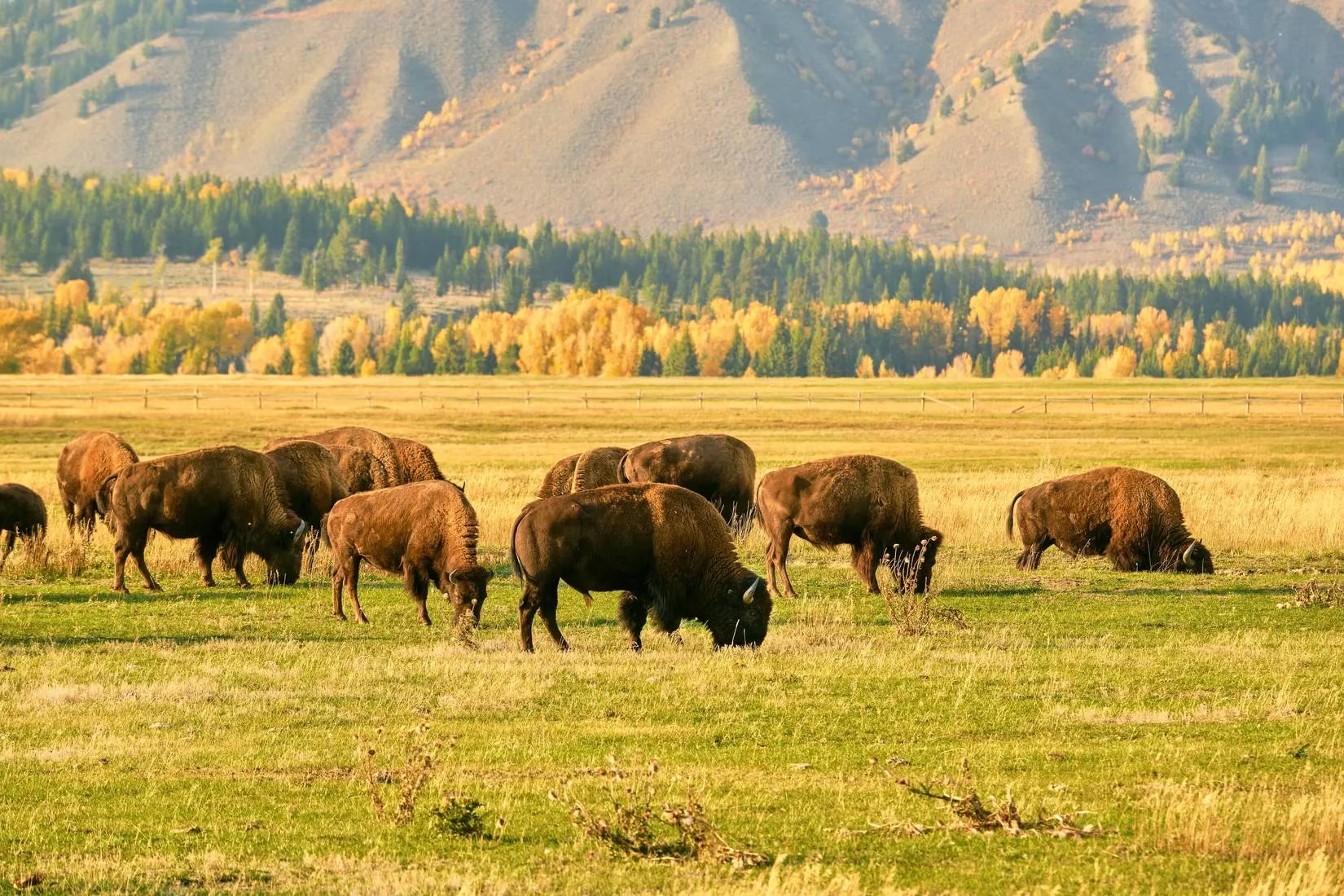
The silence from official park social media channels during the shutdown was deafening for those who follow Yellowstone's pulse. Now, thankfully, that stream of valuable information—road conditions, weather alerts, wildlife notices—has returned. It’s a vital lifeline for planning a safe trip. Yet, what strikes me most is how the park's essence isn't broadcasted; it's lived. It's in the patient wait by a bridge, the cold morning air in Lamar Valley, and the shared, wordless wonder when a herd moves as one. The maintenance backlog and funding questions are serious concerns for the future, but the park's core offering—a direct, unfiltered encounter with wild America—remains powerfully intact.
In the end, my takeaway is one of hopeful vigilance. The stunning bison crossing captured by Shaffer wasn't just a viral moment; it was a bright, defiant flare during a dim period. It reminded everyone why these places are worth protecting, funding, and staffing. Lamar Valley, with its rolling hills and incredible biodiversity, continues to be hailed as one of Yellowstone's crown jewels, a reputation solidified by such unforgettable scenes. As visitors, our role has evolved. We are not just spectators; we are witnesses whose shared experiences and advocacy can help ensure that in 2026 and beyond, the bison keep crossing, the geysers keep erupting, and the wild heart of Yellowstone keeps beating strongly for all who seek its solace and spectacle.
Leave a Comment
Comments