
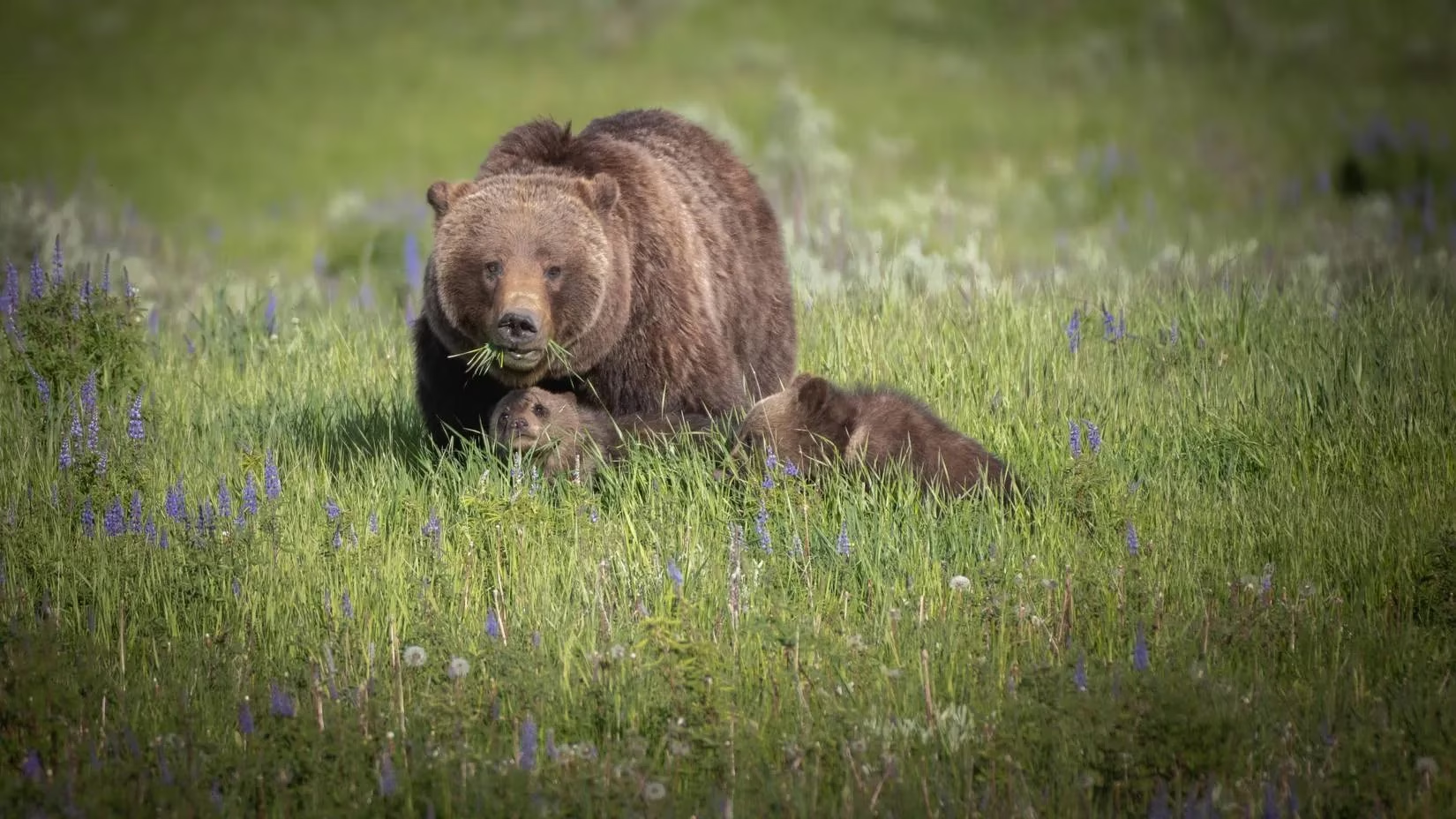
In the vast wilderness of Yellowstone National Park, visitors often forget they are guests in the territory of powerful wild animals. The popular Instagram account TouronsOfYellowstone has become a digital cautionary tale, documenting numerous incidents where park visitors push safety boundaries to dangerous extremes. These posts serve as real-time lessons about the importance of respecting wildlife and following park regulations. While most encounters end without tragedy, the potential for disaster remains ever-present, particularly when human curiosity overrides common sense around protective mother bears and other potentially dangerous wildlife.
The Lamar Valley Incident: A Close Call with a Grizzly Family
One particularly nerve-wracking encounter occurred in Yellowstone's Lamar Valley, often called "America's Serengeti" for its exceptional wildlife viewing opportunities. On Friday the 13th, a couple found themselves dangerously close to a mother grizzly bear and her cubs. The situation escalated quickly when the bears crossed the road near their parked vehicle. Witnesses captured the heart-pounding moment when the mother bear began circling the car while the couple initially prioritized photography over safety.
😱 Critical moments from the encounter:
-
Baby bears climbing a tree while their mother monitored the situation
-
The woman finally entering the vehicle after prolonged exposure
-
The man climbing onto the roof of the vehicle as the bear approached
-
Another woman with a young child walking toward the bear family during the tension
Public Reaction and Safety Concerns
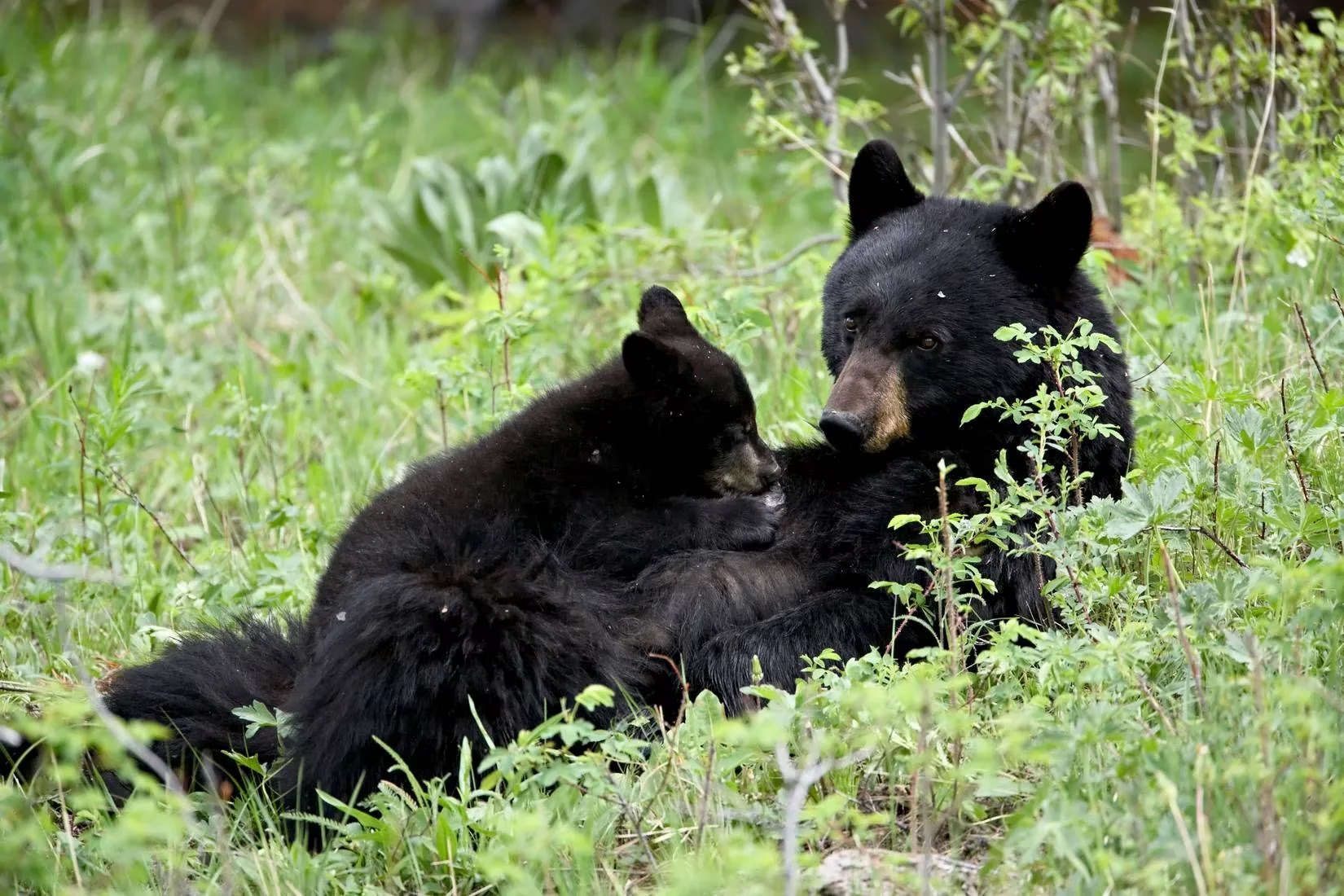
The video sparked intense reactions across social media platforms, with commenters expressing both fear and frustration at the visitors' behavior. Many highlighted the unpredictability of mother bears, especially when cubs are present. The incident served as a stark reminder that wildlife encounters require constant vigilance and respect for established safety protocols.
🐻 Bear Behavior Facts Every Visitor Should Know:
| Behavior Pattern | Risk Level | Recommended Action |
|---|---|---|
| Mother with cubs | EXTREME | Increase distance immediately |
| Feeding bear | HIGH | Do not approach, leave area |
| Defensive posture | HIGH | Back away slowly, do not run |
| Curious approach | MEDIUM | Make noise, appear larger |
The Reality of Bear Encounters in Yellowstone
While dramatic close calls capture attention, actual bear-related fatalities in Yellowstone remain relatively rare. Since record-keeping began in 1872, bears have been responsible for eight deaths in the park, with grizzly bears accounting for seven of these incidents. However, these statistics shouldn't create complacency—each close encounter represents a potential tragedy avoided through luck rather than proper safety practices.
📊 Yellowstone Bear Encounter Statistics (2025 Data):
-
Average annual bear sightings: 35,000+
-
Recommended safe distance: 100 yards (91 meters)
-
Grizzly bear running speed: 35-40 mph
-
Average adult grizzly weight: 300-700 pounds (males), 200-400 pounds (females)
Essential Safety Guidelines for Wildlife Encounters
Yellowstone's safety rules exist for compelling reasons, developed through decades of wildlife management experience and unfortunate incidents. Following these guidelines isn't about restricting visitor enjoyment but ensuring both human and animal safety.
✅ Critical Safety Practices:
-
Maintain proper distance - Always stay at least 100 yards from bears and wolves
-
Never feed wildlife - Human food harms animals and makes them dangerous
-
Stay in vehicles when wildlife is nearby - Cars provide protection
-
Travel in groups and make noise on trails
-
Carry bear spray and know how to use it properly
-
Store food securely in bear-proof containers
The Role of Social Media in Park Safety Education
Accounts like TouronsOfYellowstone play a valuable role in modern park safety education by showcasing real consequences of poor decision-making. These platforms transform abstract rules into tangible examples that resonate with potential visitors. The emotional impact of watching near-misses often proves more effective than reading safety brochures.
⚠️ Common Dangerous Behaviors Documented in 2025:
-
Approaching bison for selfies
-
Venturing off trails near thermal features
-
Feeding wildlife despite clear prohibitions
-
Crowding animals for photography
-
Ignoring warning signs and ranger instructions
Conclusion: Respecting Wilderness Boundaries
Yellowstone National Park offers unparalleled opportunities to witness wildlife in their natural habitat, but this privilege comes with responsibility. The recent bear encounter in Lamar Valley serves as a powerful reminder that wild animals operate on instincts humans cannot predict or control. While technology makes it easier than ever to capture stunning wildlife footage, no photograph is worth risking lives—human or animal. As visitation numbers continue to increase, so does the importance of adhering to safety guidelines that protect both visitors and the magnificent creatures that call Yellowstone home.
Remember: when visiting national parks, we are guests in nature's home. Proper respect and caution ensure these wild spaces remain accessible and safe for generations to come. 🏞️
Leave a Comment
Comments