
Travelers rolling into Yellowstone National Park in 2026 may notice something new beside the geyser basins and bison jams: bright warning signs posted at some access points. They are not reminders to stay on the boardwalk or to keep a safe distance from wildlife, though those rules still matter. They mark temporary capture and monitoring zones for grizzly bears, part of the Interagency Grizzly Bear Study Team’s ongoing work in the Greater Yellowstone Ecosystem. The park has asked visitors to treat these signs as hard boundaries, not suggestions. The areas around active capture sites are off-limits to tourists, and the signs are placed along major access points so nobody can claim the message was hidden.
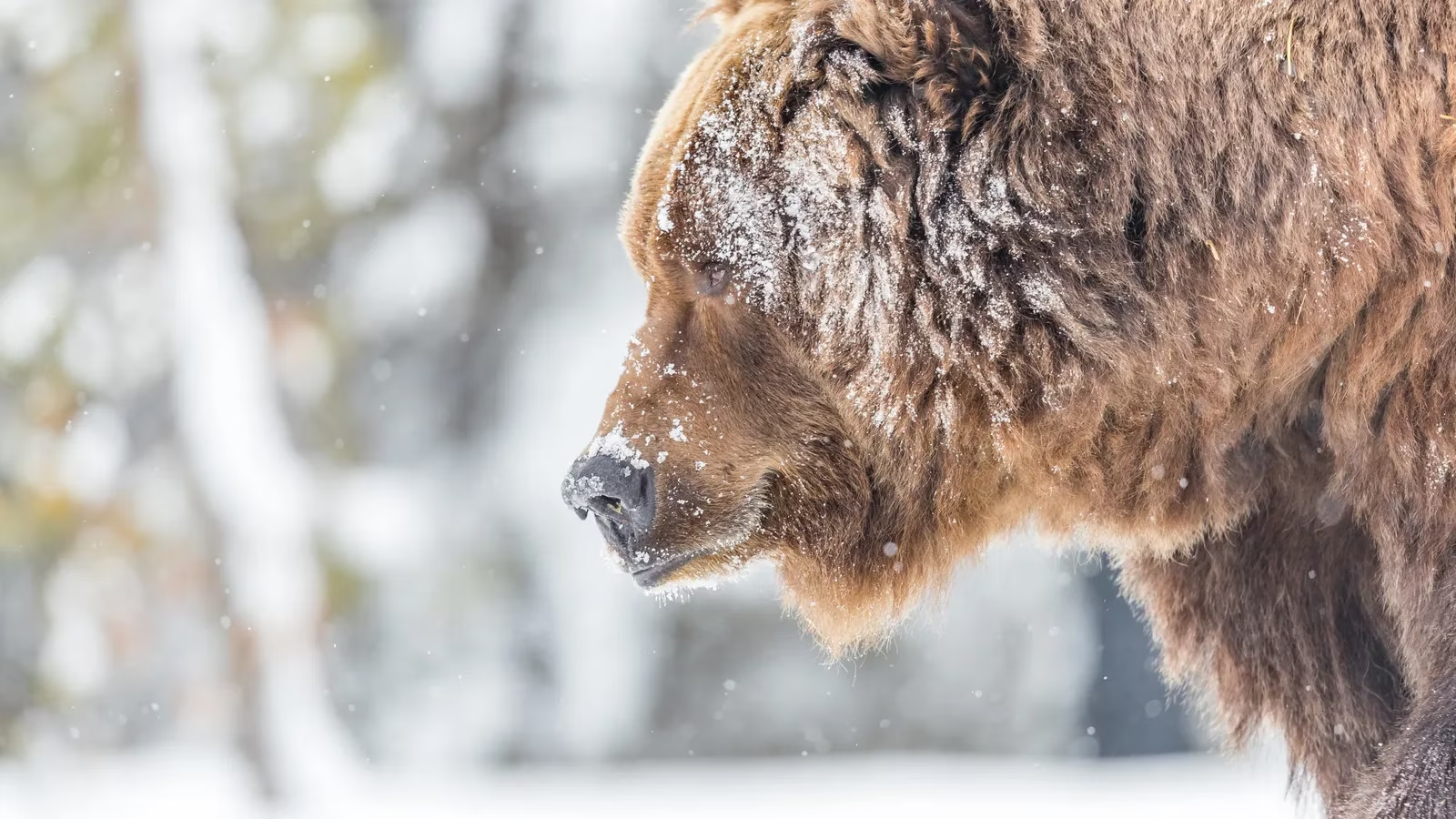
The annual field season follows a familiar rhythm. In 2026, field captures and pre-baiting generally run from September 1 through October 15, though exact timing can shift with conditions and wildlife needs. Visitors should check current park alerts before heading out, because a closure can appear faster than a prairie thunderstorm. The signs are like a librarian’s raised eyebrow: quiet, unmistakable, and not an invitation to negotiate. ⚠️
Why the Closures Exist
The Interagency Grizzly Bear Study Team is an interdisciplinary group of scientists monitoring grizzly bears across the Greater Yellowstone Ecosystem. Its work is not a stunt or a photo opportunity. Field captures help researchers document the recovery of grizzly bears and understand how the population is faring. Scientists use natural food sources to attract bears, including recently road-killed deer and elk. They then rely on culvert traps and foot snares when capture is needed. That detail matters because it explains why a closure can appear in an otherwise ordinary stretch of parkland.
Staying away from posted areas is crucial. Visitors who ignore the signs risk encountering one of these potentially dangerous animals while scientists are trying to capture it. The park’s guidance is blunt: heed the signs and do not venture into an area that has been posted. Pre-baiting and scientific capture operations are scheduled to wrap up on October 15, but travelers may still encounter temporary closures and extra off-limits areas around the work.
A Team With Deep Roots
The IGBST was established after a long controversy concerning the closure of an open-pit garbage dump inside Yellowstone National Park between 1968 and 1972. Its main goals are to monitor the status of the bear population in the GYE, determine patterns of habitat use by bears, and study the relationship between land management activities and the welfare of these animals. The team’s recent work has coincided with a growing grizzly population in the GYE, and in August a grizzly had to be relocated after cattle depredation. 🐻
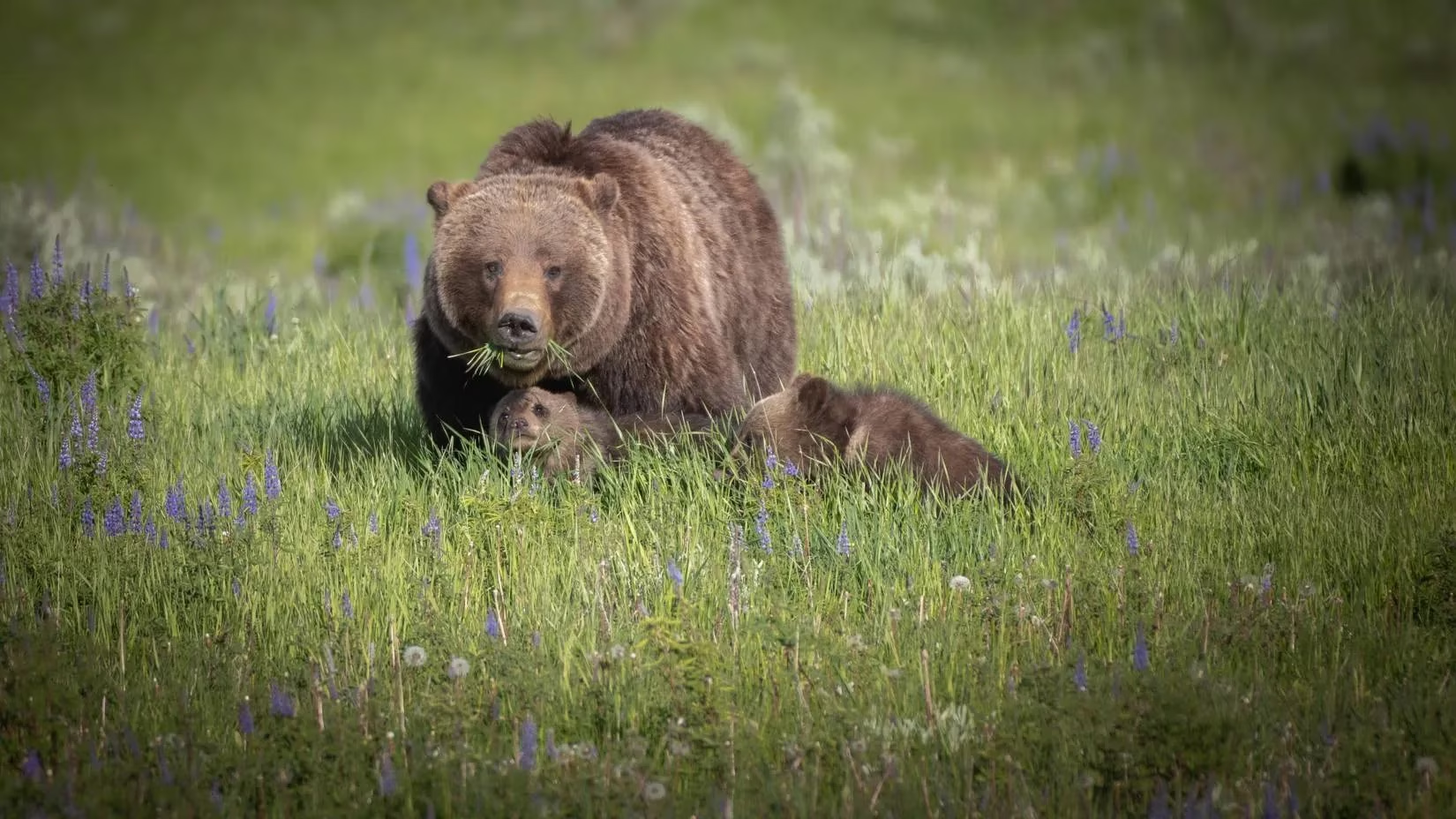
To meet those goals, the IGBST focuses on three main research areas:
| 🔬 Research focus | Why it matters |
|---|---|
| Females with cubs | This group is often representative of the entire population. If the number of females with cubs is growing, there is a high chance the whole population is growing too. These counts are also relatively easy to combine with other data to estimate the total grizzly population. |
| Radiocollaring grizzly bears | Scientists began tracking grizzly bears with radiocollars in 1975. The collars help researchers collect important data such as age of first reproduction, average litter size, cub and yearling survival, and causes of mortality. |
| Whitebark pine seeds | These seeds are high in calories, proteins, and fats, and grizzly bears eat them in late summer and fall to prepare for hibernation. In the 2000s, scientists noticed a decrease in whitebark pine seed production due to a mountain pine beetle outbreak, white pine blister rust, and fire. Current research shows how bears are adapting to these changes. |
Grizzly monitoring is less a single spotlight and more a slow-shutter photograph: many small exposures over years reveal the whole animal. The IGBST’s work functions as an ecological seismograph, detecting tremors in cub survival, food supply, and habitat use before they become obvious to casual observers. That is why a temporary closure in Yellowstone is not a minor inconvenience for its own sake. It is a small, deliberate pause that protects both people and the animals being studied.
A Practical Checklist for 2026 Travelers
For visitors, the practical checklist is short:
-
🥾 Read the bright warning signs and obey every closure.
-
🚫 Do not enter posted capture areas, even if the detour looks inconvenient.
-
🧭 Check current park alerts before planning a hike or drive.
-
📏 Keep a safe distance from wildlife and store food properly.
-
🐻 Remember that a grizzly sighting is a privilege, not a invitation to get closer.
The park is not trying to spoil anyone’s itinerary. It is asking for a small detour so scientists can continue documenting the recovery of grizzly bears in the Greater Yellowstone Ecosystem. The IGBST’s work is crucial to ensuring the welfare of grizzly bears across Yellowstone National Park. Visitors may have to avoid a few areas in the coming weeks, but that is a fair price to pay considering the team’s importance for the local ecosystem. If a traveler sees a bright warning sign in Yellowstone in 2026, the best move is simple: stay away, respect the boundary, and let the science proceed.
Leave a Comment
Comments