
Yellowstone National Park has long been a bucket-list destination for travelers hoping to catch a glimpse of wild grizzly bears. In the Greater Yellowstone Area, visitors can watch black and brown bears roaming freely across one of the most intact ecosystems in the contiguous United States. But behind the postcard scenery, biologists are tracking a much grimmer story. By September 2025, the Interagency Grizzly Bear Study Team had already recorded 63 grizzly bear deaths across the Yellowstone Ecosystem, a provisional count that put the region on pace for a record-breaking year.
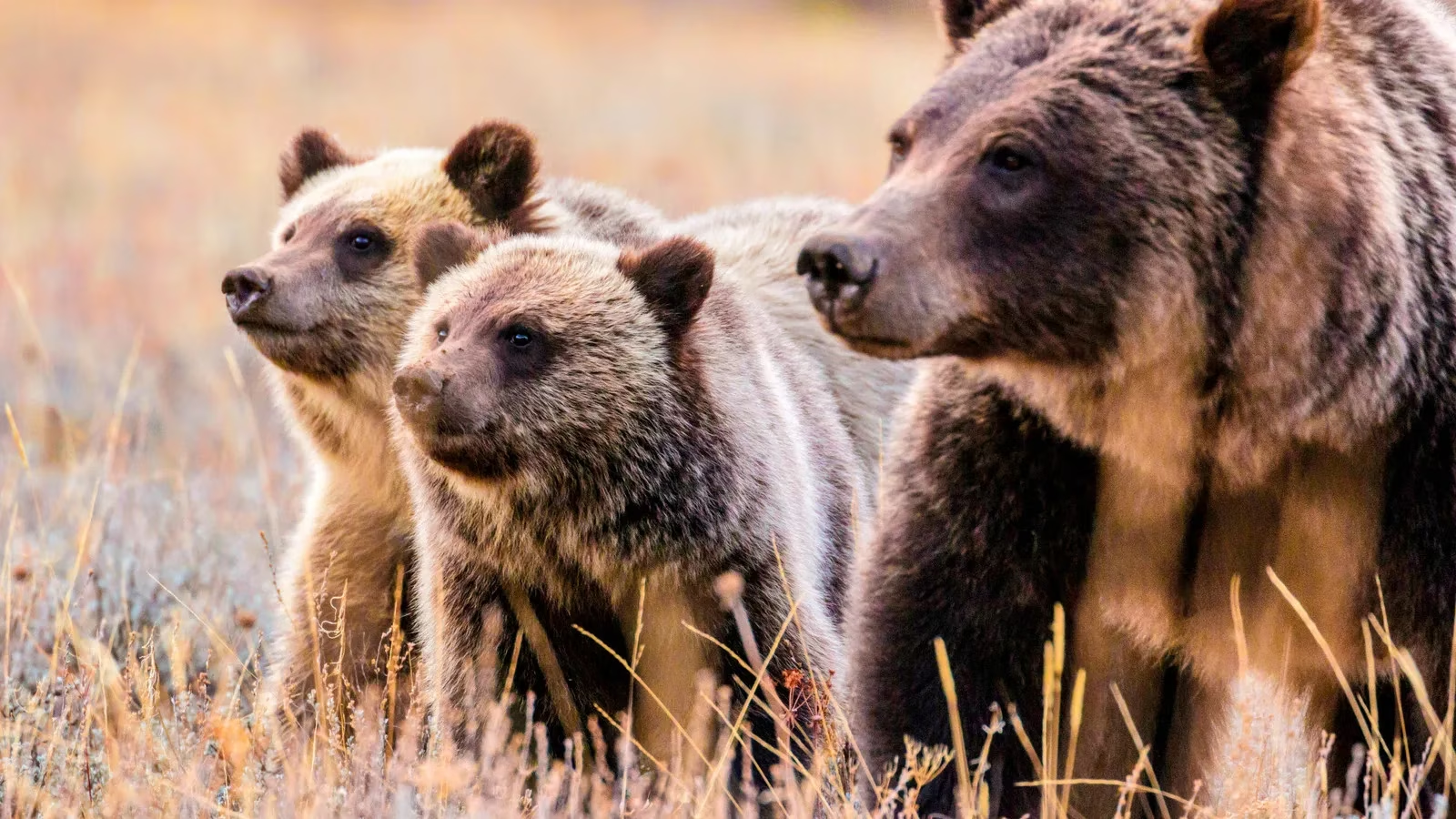
That number matters because the monitoring zone is enormous. It covers roughly 22 million acres and stretches across national parks, national forests, and connecting public lands in Idaho, Wyoming, and Montana. The study team follows grizzly deaths in Yellowstone National Park, Grand Teton National Park, Custer National Forest, Gallatin National Forest, Beaverhead–Deerlodge National Forest, Caribou–Targhee National Forest, Bridger–Teton National Forest, and Shoshone National Forest.
The sheer size of that territory makes counting dead bears surprisingly difficult. Grizzlies cover huge ranges, spend months in hibernation, and often die far from trails or roads. Whenever possible, the Interagency Grizzly Bear Study Team examines reported remains and pulls records from neighboring agencies to identify individual bears and determine whether deaths were natural or human-caused. When remains are not found, researchers rely on tracking-collar data and statistical patterns from post-hibernation surveys to estimate whether bears survived the winter.
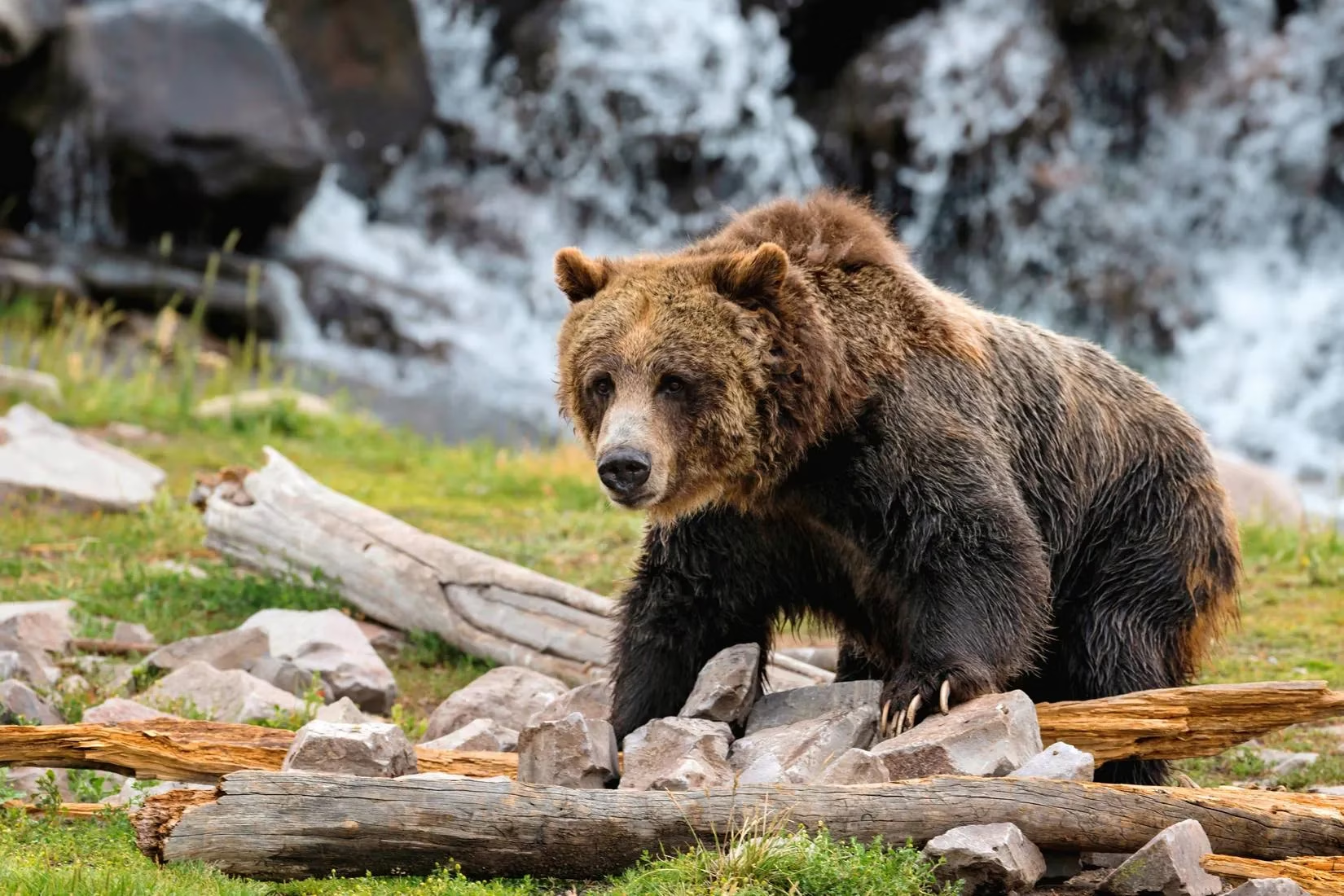
The team primarily tracks independent bears over two years old. Younger bears are generally excluded, though cubs and yearlings under two are added if their death was human-caused. That careful method is why the 2025 provisional total is so alarming. In September 2024, the same count sat at 56. By the end of 2024, the final tally reached 77 grizzly deaths, a record for the ecosystem. The early 2025 number was already seven bears ahead of the previous year's pace.
| Year | September provisional deaths | Final annual deaths |
|---|---|---|
| 2024 | 56 | 77 |
| 2025 | 63 | Projected to exceed 77 |
So what is causing the increase? The disheartening but perhaps unsurprising answer is humans. Human-caused mortality is the leading cause of death for Yellowstone grizzly bears. Around 85% of all grizzly deaths in the Greater Yellowstone Ecosystem are connected to human activity. Some deaths involve vehicle collisions, but the biggest threat is bear-hunter conflict. Each fall, grizzlies make a final push to fatten up before hibernation, and that drive often puts them face-to-face with hunters participating in the elk rifle hunting season, which runs from October through November.
Other conflicts happen when bears wander near farms, homes, and communities. Once a bear becomes too comfortable around human food and people, it may be euthanized to protect livestock and residents. More bears plus more people means more potentially deadly encounters, and the data shows the consequences.
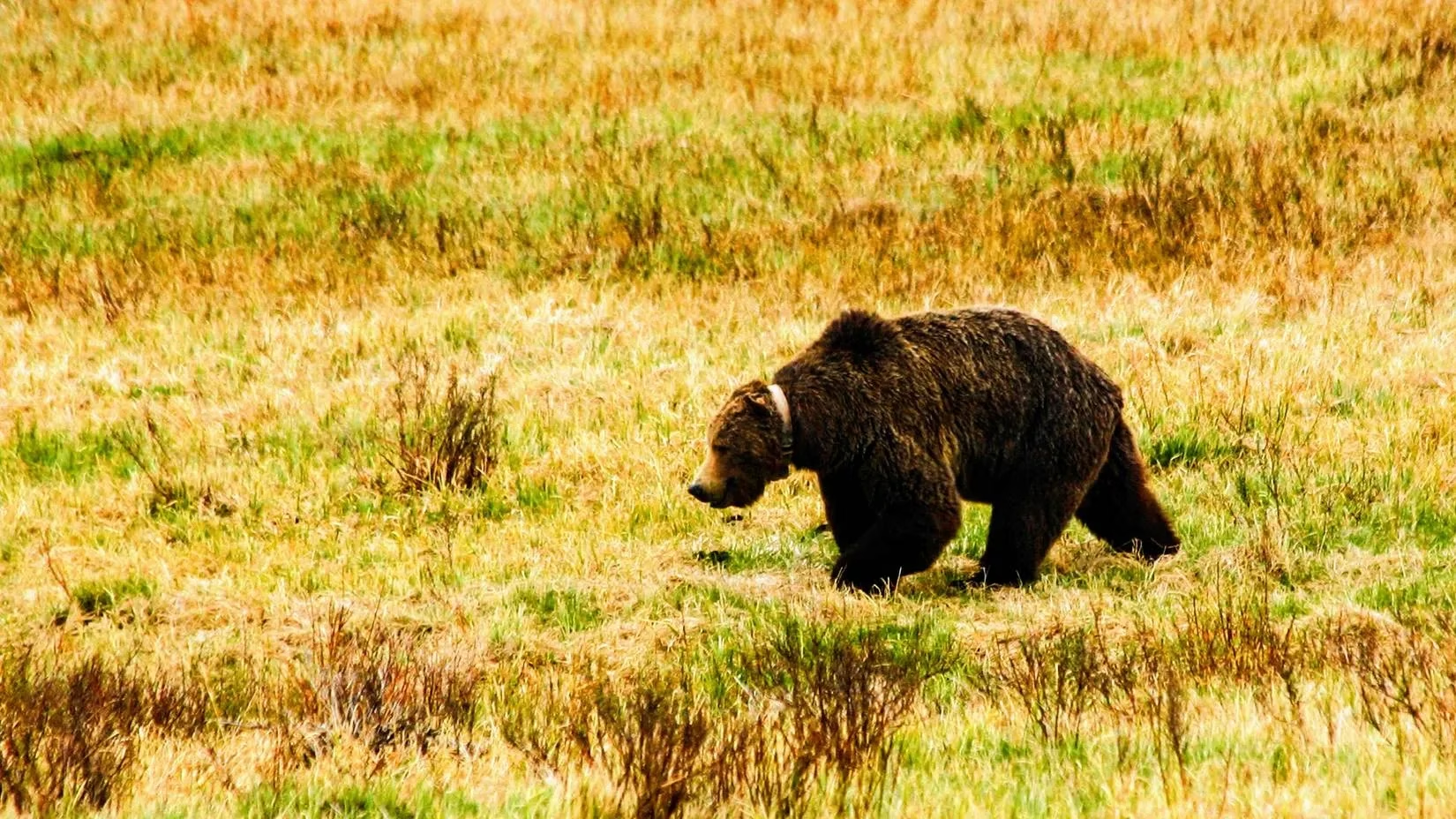
Food scarcity has made the situation worse. In recent years, higher-elevation plants and berries have dried up earlier than expected. Scientists and hikers alike have noticed a shortage of the berries that grizzlies usually rely on. As a result, hungry bears are moving down into the valleys in larger numbers, directly into the path of hunters following Yellowstone elk herds. This combination of seasonal hunger and increased human presence makes autumn especially dangerous.
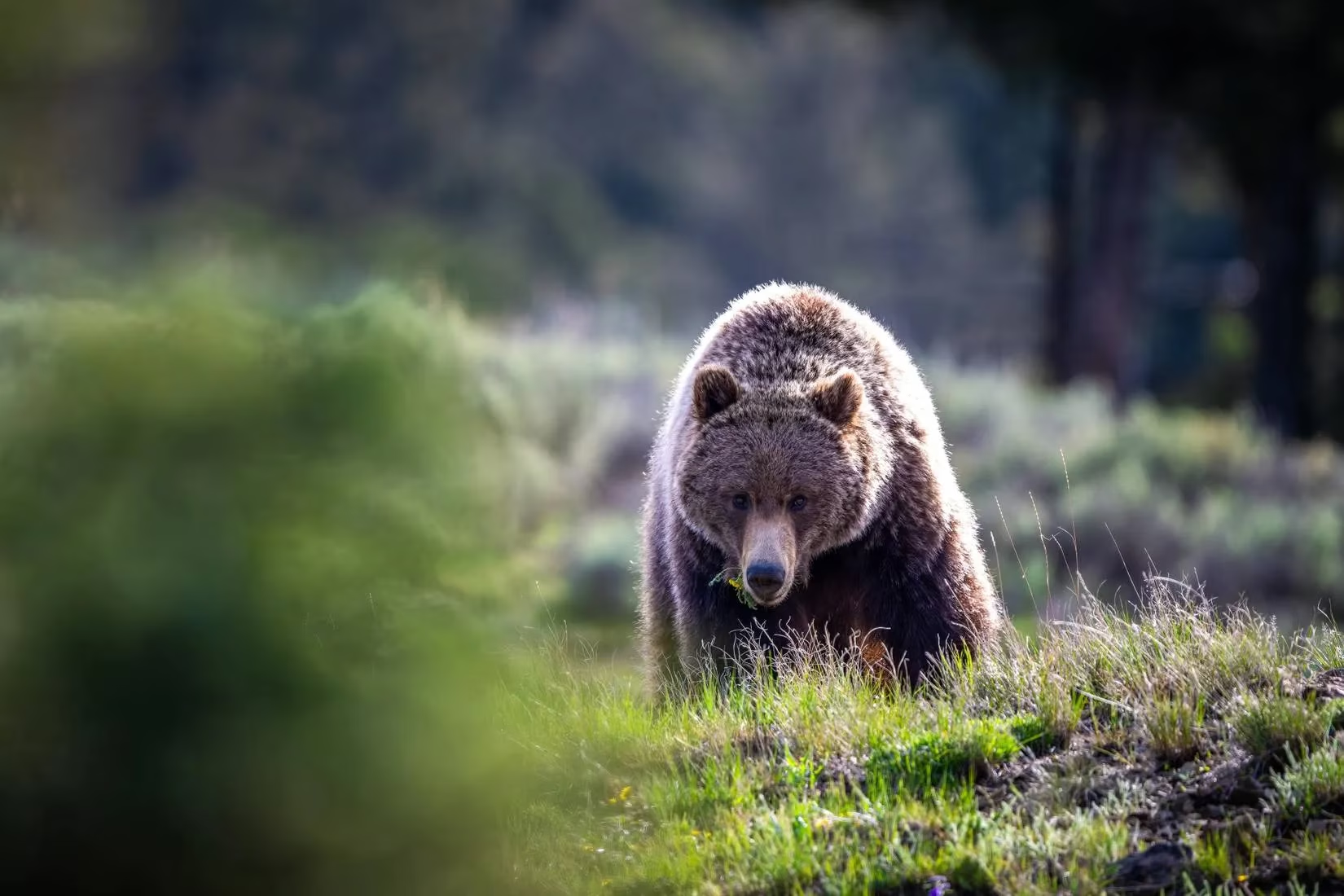
Grizzly bears are vital to the health of the Great Yellowstone Ecosystem. Once on the verge of disappearing, the population has grown from only 136 bears in 1975 to around 1,000 today thanks to sustained conservation efforts. But heading into 2026, researchers are watching whether the final 2025 numbers confirm the worst year yet. The challenge is not simply that there are more bears. It is that bear country and human activity increasingly overlap, and without careful management, Yellowstone's success story could turn into a warning sign.
Leave a Comment
Comments