
As the 2026 hiking season draws near, Yellowstone National Park remains a place where wonder and wildness walk side by side. The park is home to bison, wolves, moose, elk, and bears, and many travelers arrive hoping for a glimpse of these animals. Yet the same creatures that make Yellowstone unforgettable can also be dangerous when surprised, crowded, or cornered. A 2025 grizzly attack on the Turbid Lake Trail is a sobering reminder that the wild does not schedule its encounters around human plans.
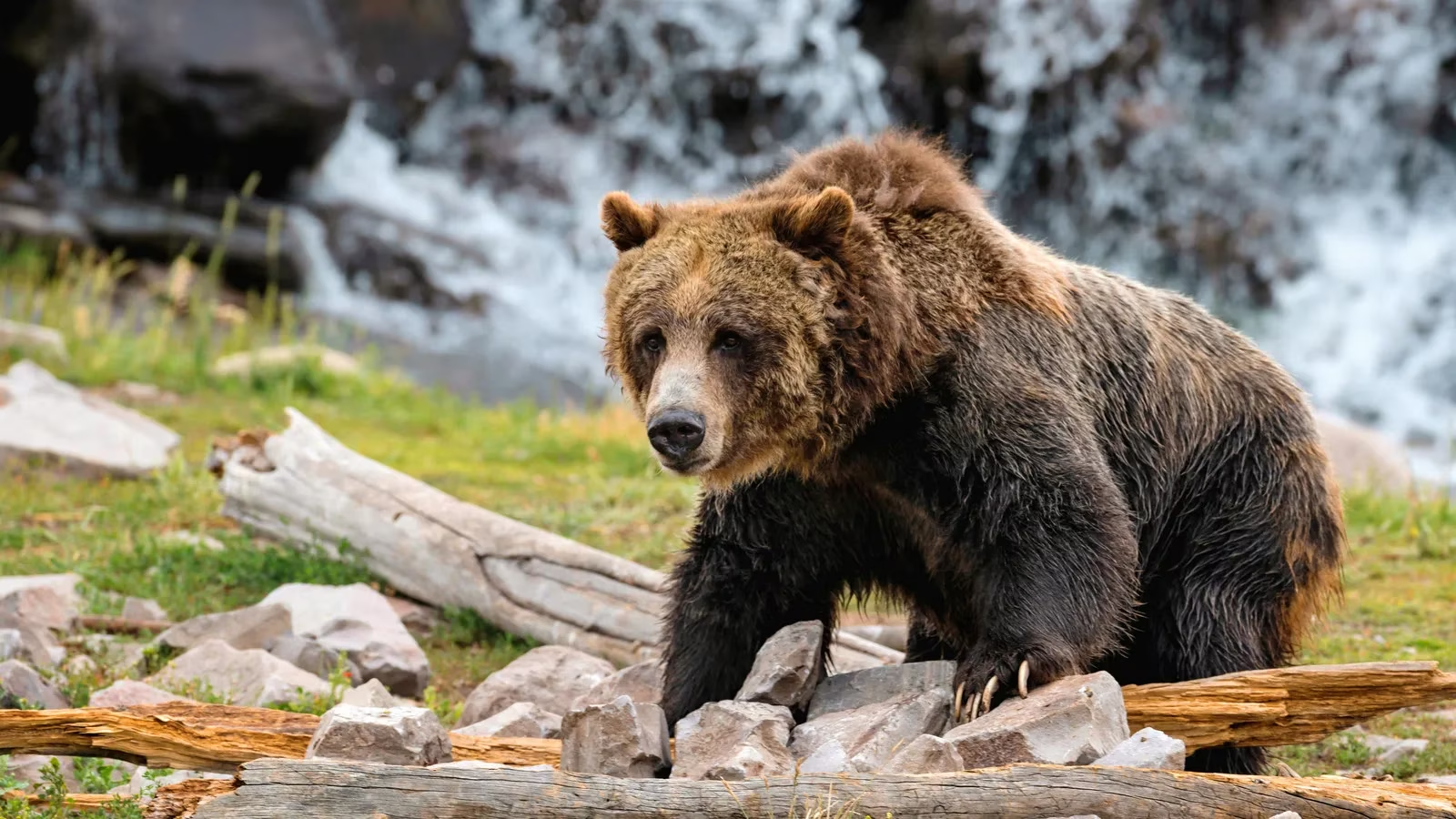
In September 2025, Yellowstone National Park shared news that a 29-year-old male hiker had been attacked by a bear. The man was hiking alone on the Turbid Lake Trail when he suddenly met a bear on the path. He used bear spray promptly, but the encounter escalated. The hiker suffered significant but non-life-threatening injuries to his left arm and chest. Park responders transported him by ambulance to the Lake Medical Clinic, and he was later taken to a nearby hospital for further treatment. The National Park Service temporarily closed the trail after the incident.
At first, the hiker believed the animal was probably a black bear. Later, NPS workers confirmed that a grizzly had been responsible. Investigators also found a carcass near the trail. Because the attack appeared to be a defensive reaction during a surprise encounter, the NPS made clear that no action would be taken against the bear. The animal was not cast as a villain; it was responding to a sudden, close-range meeting in its own territory.
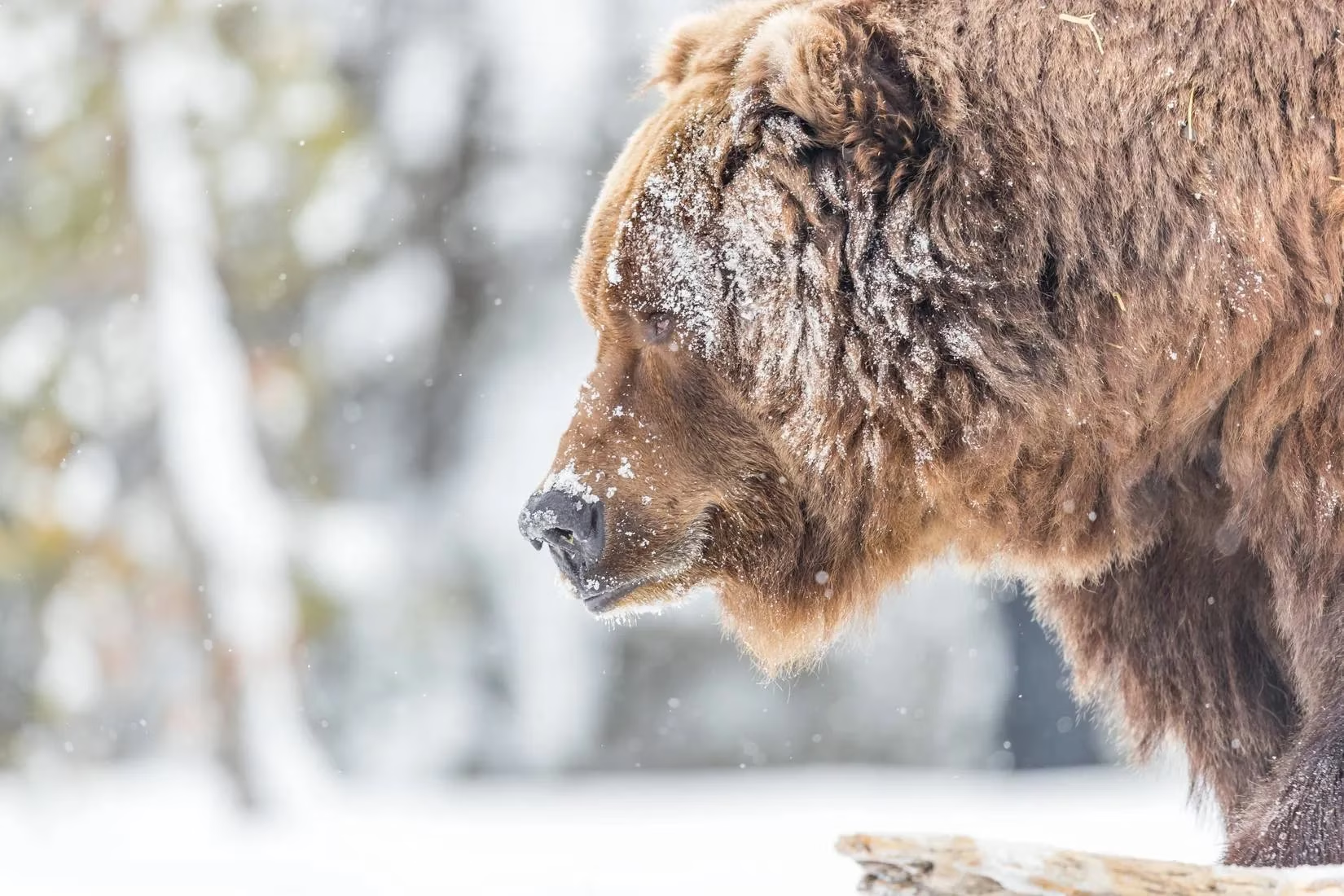
The incident echoed other bear encounters in the region, including a charge toward a hiker at Glacier National Park. It also sparked discussion online. Many commenters expressed relief that the Yellowstone hiker survived, and several praised the NPS for not punishing a bear that had acted defensively. Others used the moment as a heads-up about the risks of hiking alone. One commenter noted that park rangers had advised backcountry travelers to move in groups of at least four people. Another described bear spray as a kind of insurance: hopefully unnecessary, but invaluable when the unexpected happens.
For visitors planning a 2026 trip, the lesson is not that Yellowstone should be avoided. The lesson is that its wild residents deserve room, respect, and a little common sense. A grizzly's personal space is not a suggestion, and a quiet solo hike is no joke in bear country.
🐻 Bear-Country Basics for Yellowstone Hikers
| Safety Step | What It Means in Practice |
|---|---|
| Keep distance | Stay at least 100 yards, about 91 meters, from bears. Follow park guidance for other animals too. |
| Carry bear spray | Keep it accessible and know how to use it before hitting the trail. |
| Make noise | Speak, clap, or call out, especially where visibility is limited. Surprise is the enemy. |
| Hike in groups | The park recommends groups of at least three people. |
| Stay alert | Watch for fresh tracks, feeding sites, digging, rolled rocks, and torn-up logs. |
| Time the hike | Avoid dawn, dusk, and night, when grizzlies are most active. |
Yellowstone's official guidance also encourages hikers to avoid hiking alone when possible. The Turbid Lake Trail case shows why. The hiker did the right thing by carrying bear spray, and that spray probably saved his life. Still, bear spray is a last line of defense, not a substitute for distance, noise, and group travel. Better safe than sorry is more than a cliché in grizzly country.
The trail was given room to breathe after the attack, and the bear was left alone. For travelers in 2026, the story offers a clear message: enjoy Yellowstone's wildlife from a respectful distance, travel prepared, and remember that the park belongs to its animals first. The wild is generous with beauty, but it does not hand out warnings twice.
Leave a Comment
Comments