
I’ll be honest: for years, Glacier National Park sat at the very top of my Montana bucket list. I dreamed about the Going-to-the-Sun Road, the resident bears, and those postcard-perfect peaks. But when I started planning my 2026 road trip, the practical side of Glacier hit me hard: a $35 entrance fee, a short open season, timed reservations, and the kind of crowds that make you feel like you’re in a theme park instead of Big Sky Country. So I asked myself a question that changed my entire itinerary: why chase the famous park when Montana is packed with quieter wonders that offer the same Rocky Mountain drama without the friction?
I skipped Glacier. And I’m here to tell you that the underrated national forests, recreation areas, and state parks of Montana gave me the most memorable trip of my life.
Bighorn Canyon National Recreation Area: The Second-Most-Popular Secret
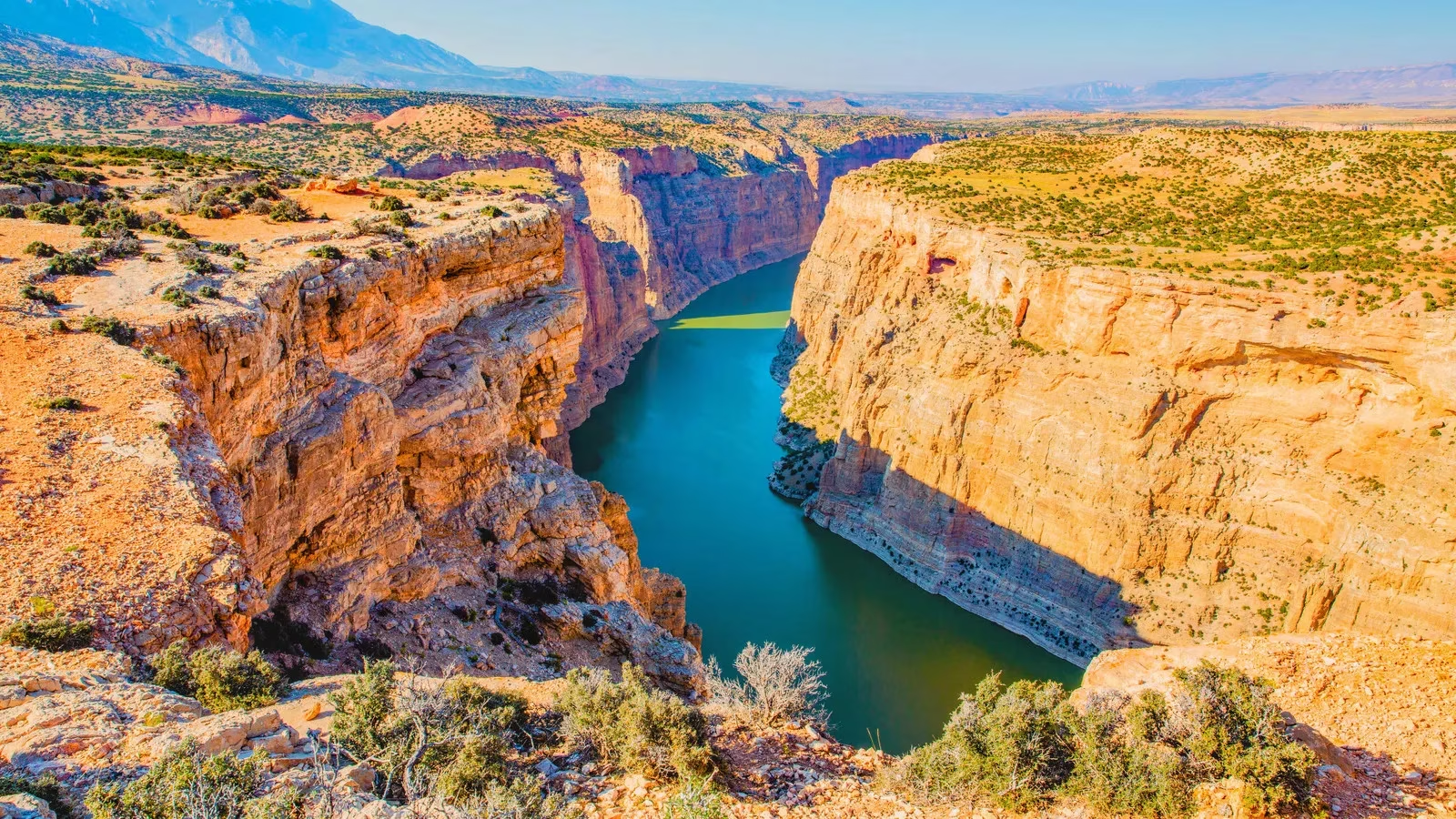
My first stop was Bighorn Canyon National Recreation Area, and I quickly understood why it’s often called the state’s second-most-popular destination. After the Yellowtail Dam was built in 1966, Congress protected this landscape so citizens could enjoy the serene canyon and everything around it. The Montana side, the North District, gave me hiking, fishing, boating, and kayaking on the Bighorn River. I camped near Bighorn Lake, explored Black Canyon, and wandered through historic ranches that told the human story of the area. It felt like a blend of natural wonder and manmade innovation, and I never once had to fight for a parking spot.
Custer-Gallatin National Forest: Yellowstone’s Grandeur Without the Gate Fee
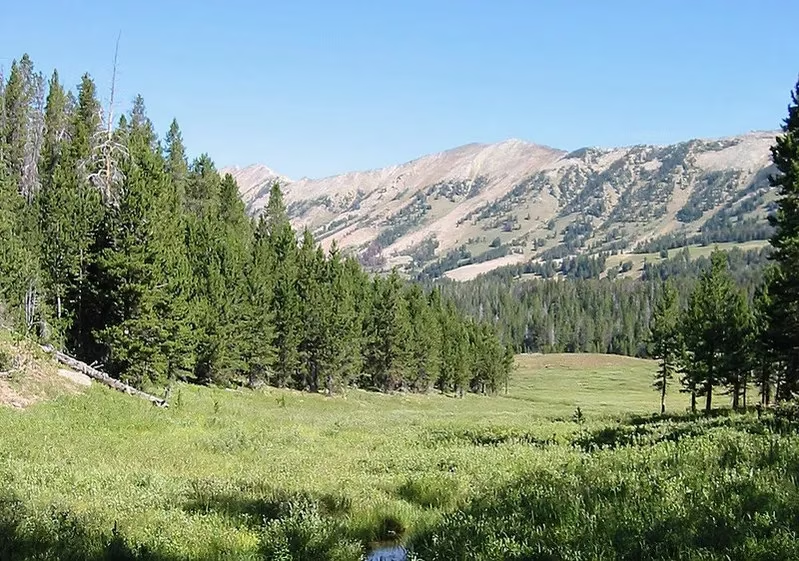
Next, I headed into western Montana’s Custer Gallatin National Forest. If you love Yellowstone but hate the entrance fees and crowds, this is your answer. Much of the western edge of the Yellowstone Caldera spills into the forest, where it meets six distinct mountain ranges found only on the Montana side. I drove the Beartooth Scenic Byway and got truly spectacular views without leaving my car. I also spent a quiet afternoon at Earthquake Lake, where the stark remnants of the 1959 earthquake still shape the landscape. Lava Lake and Ousel Falls gave me gorgeous hikes, and the historic Meyers Creek Work Center and OTO Ranch added a human-history layer to the wild scenery.
Helena National Forest: Walking Through Lewis and Clark’s Wilderness
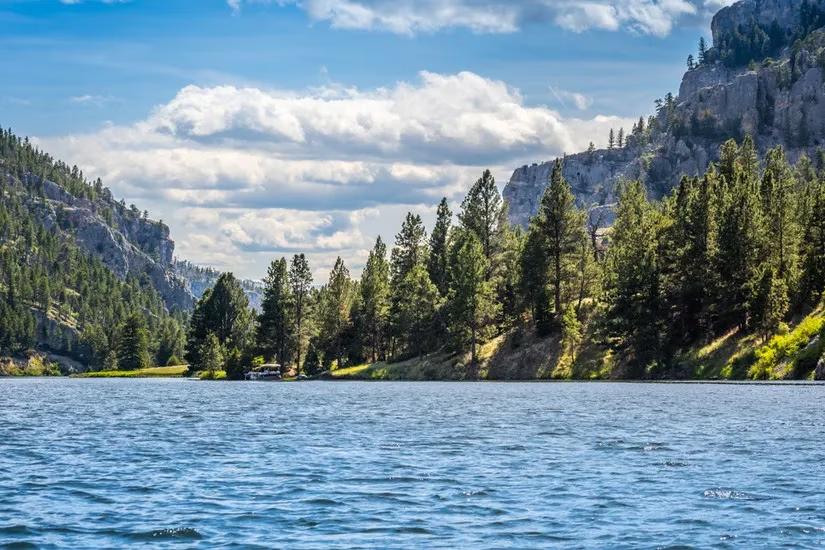
Helena National Forest felt like stepping into a time machine. The Lewis and Clark expedition passed through here around 1805, and much of the forest is protected wilderness, especially the Gates of the Mountains National Wilderness area in the shadow of the Big Belt Mountains. I hiked the Missouri River Beaver Creek Trail and the Waterline Trail Loop, both accessible and rewarding. Trout Creek Canyon was perfect for mountain biking, bird watching, and camping. Isn’t that the whole point of Montana? To find places that still look and feel untamed?
Flathead National Forest: Glacier’s Vibe Without Glacier’s Rules
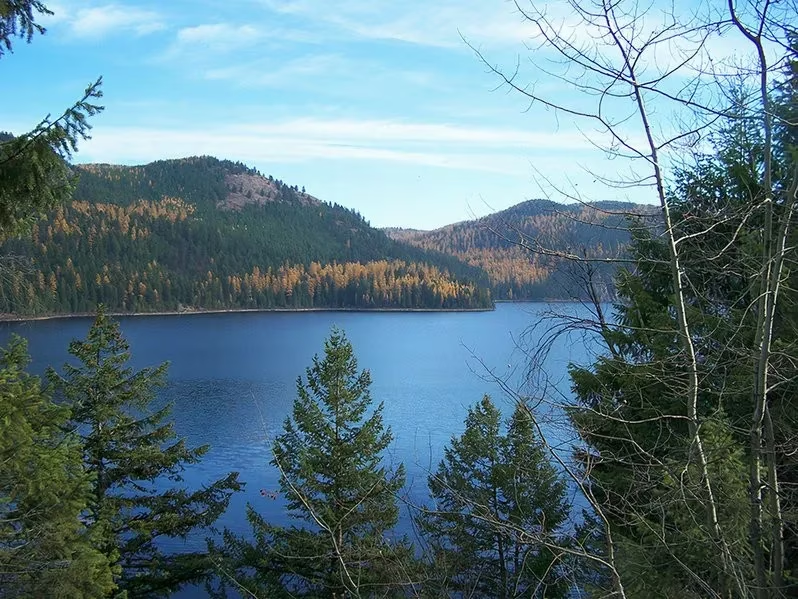
Northwestern Montana’s Flathead National Forest may be the best backup plan for Glacier lovers. It sits just south of the park, deep in the Rocky Mountains, so I got the same combination of deep forests, scenic rivers, and stunning peaks. The forest is less developed, with fewer amenities and less infrastructure, but that rustic, authentic vibe was exactly what I wanted. I found excellent backcountry camping, and I also discovered two great ski and snowboard destinations: Blacktail Mountain and Whitefish Mountain Resort. The Three Forks of the Flathead Wild and Scenic River gave me a memorable boating day. Who needs a timed entry when you can have a wild river and a quiet forest?
Kootenai National Forest: Waterfalls, a Swinging Bridge, and World-Class Rock Climbing
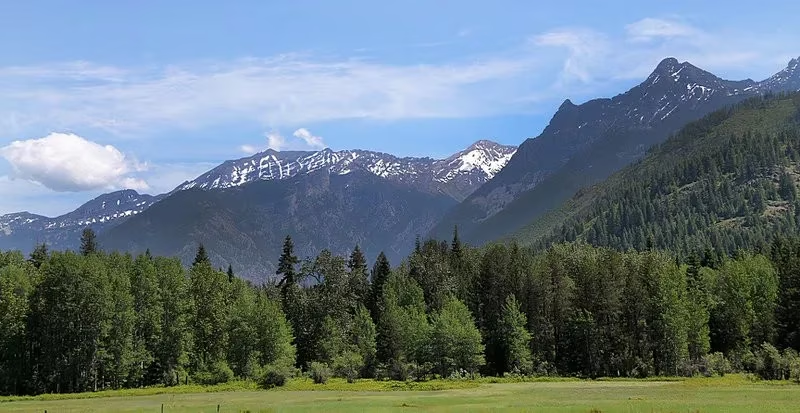
Kootenai National Forest might have the best combination of rugged beauty and unique recreation in Montana. Major summits like Snowshoe Peak rival anything in Glacier, and the Ten Lakes Scenic Area gave me tranquil mountain lakes where I could truly get away. But Kootenai has a few specific thrills that set it apart. Kootenai Falls and the Swinging Bridge are a brilliant blend of natural wonder and manmade fun; the falls are among the largest in the Northwestern United States, and that rope bridge swaying over the river gave me an antique thrill. I also drove the Lake Koocanusa Scenic Byway, which rivals Going-to-the-Sun Road, and I watched rock climbers at the Stone Hill Rock Climbing Area. Why pay for a famous road when this drive is just as beautiful and far less crowded?
Makoshika State Park: Badlands, Dinosaurs, and No Entrance Fee
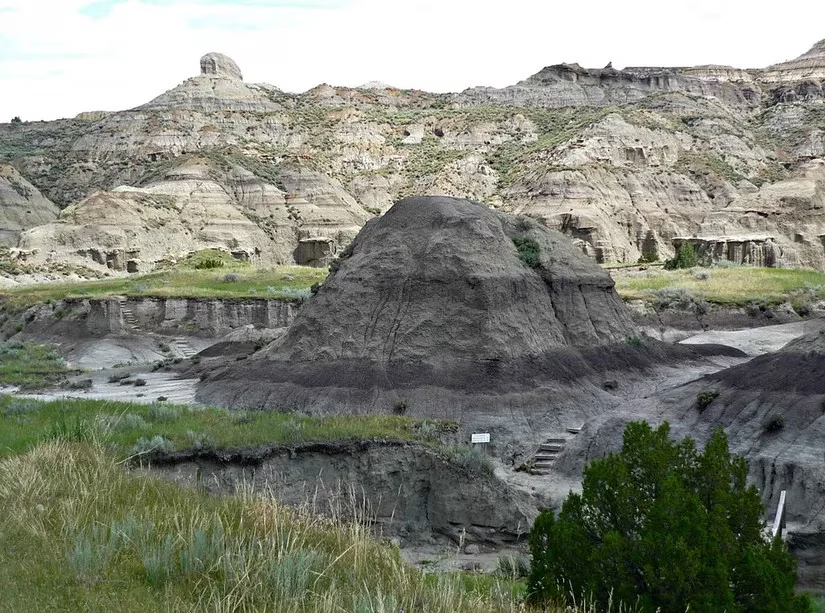
Eastern Montana surprised me completely. Makoshika State Park protects stunning badlands geography that rivals Badlands National Park and Theodore Roosevelt National Park. It was originally proposed as the site of a “Badlands National Park,” but that honor went to South Dakota. That turned out to be a blessing: today, visitors get the same amazing scenery without national park crowds or fees. Makoshika is Montana’s largest state park, and it lies within the Hell Creek Formation, one of the best places on Earth for Cretaceous fossils. I saw displays of a complete Triceratops skull and a well-preserved Tyrannosaurus rex at the visitors center. Can you imagine hiking through badlands and then staring at a T. rex? That’s Montana for you.
Medicine Rocks State Park: Hoodoos, Arches, and Ancient Stories
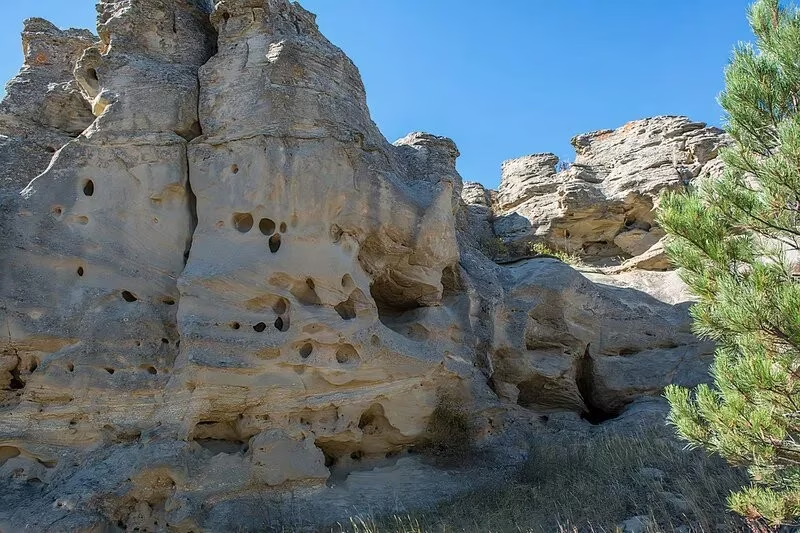
Medicine Rocks State Park was another eastern Montana highlight. Wind and water erosion over millions of years created hoodoos, arches, and caves that jut dramatically out of the flat grasslands. Many rocks bear pictographs and inscriptions etched by Native Americans hundreds of years ago. I also saw mule deer, pronghorns, coyotes, and numerous bird species. It’s one of the best wildlife-viewing spots in the state, and the formations look more like Utah or Arizona than the Northwest. Isn’t that the kind of surprise that makes a road trip unforgettable?
Lolo National Forest: Golden Larches and a 1,000-Year-Old Tree
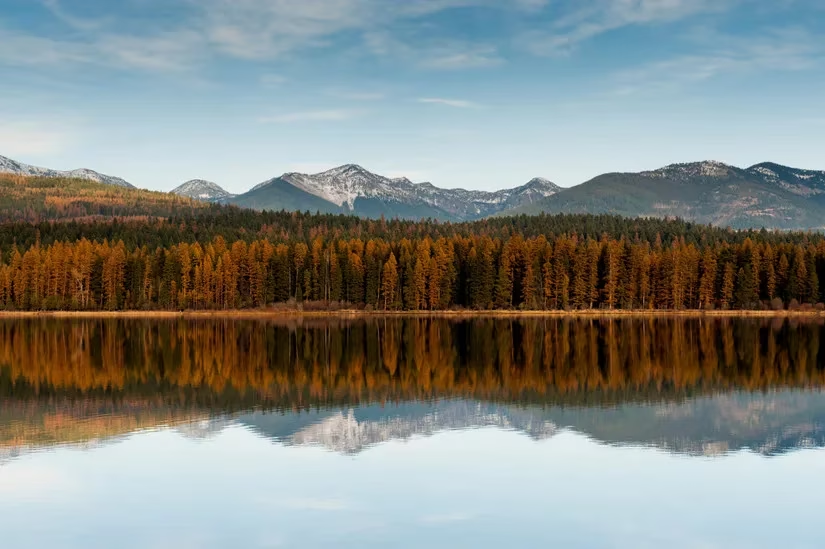
My final stop was Lolo National Forest, and I timed it perfectly for fall. The forest has four wilderness areas, and each season offers something different: cross-country skiing in winter, hiking and lake activities in spring and summer, and golden larches in autumn. Seeley Lake was perfect for swimming, boating, kayaking, and paddleboarding in the summer, but fall was Lolo’s shining moment. The Jim Girard Memorial Tamaracks Grove near Seeley Lake gave me some of the best fall foliage hikes in Montana. And then I met Gus. Despite his unassuming name, Gus is a Western larch over 1,000 years old and more than 153 feet tall, making him the largest Western larch tree in the world. Standing at his base, surrounded by golden needles, I completely forgot about Glacier’s crowds.
My Final Takeaway
| Glacier National Park | My Underrated Montana Route |
|---|---|
| $35 entrance fee | Many free or low-cost sites |
| Timed reservations | Flexible, spontaneous access |
| Short open season | Year-round variety |
| Heavy crowds | Quiet forests and badlands |
| Famous views | Equally stunning, less expected |
Would I ever visit Glacier? Maybe one day. But after this 2026 trip, I know that Montana’s greatest gift isn’t a single famous park. It’s the sprawling national forests, the forgotten state parks, the badlands, the swinging bridges, and the thousand-year-old trees. Big Sky Country gave me room to breathe, and that’s worth more than any reservation.
Leave a Comment
Comments