
I am the Canyon, and in the winter of 2026, I find myself holding a silence deeper than usual. The crisp air carries the scent of snow from the North, where my Rim has already retreated into its seasonal slumber. But the story this year is not just about the North; it’s a tale echoing from my southern heart, a story of an ancient, faltering lifeline and the quiet resilience of those who walk my trails. My South Rim, the bustling, accessible face I show to the world, is facing a familiar, weary challenge once more.
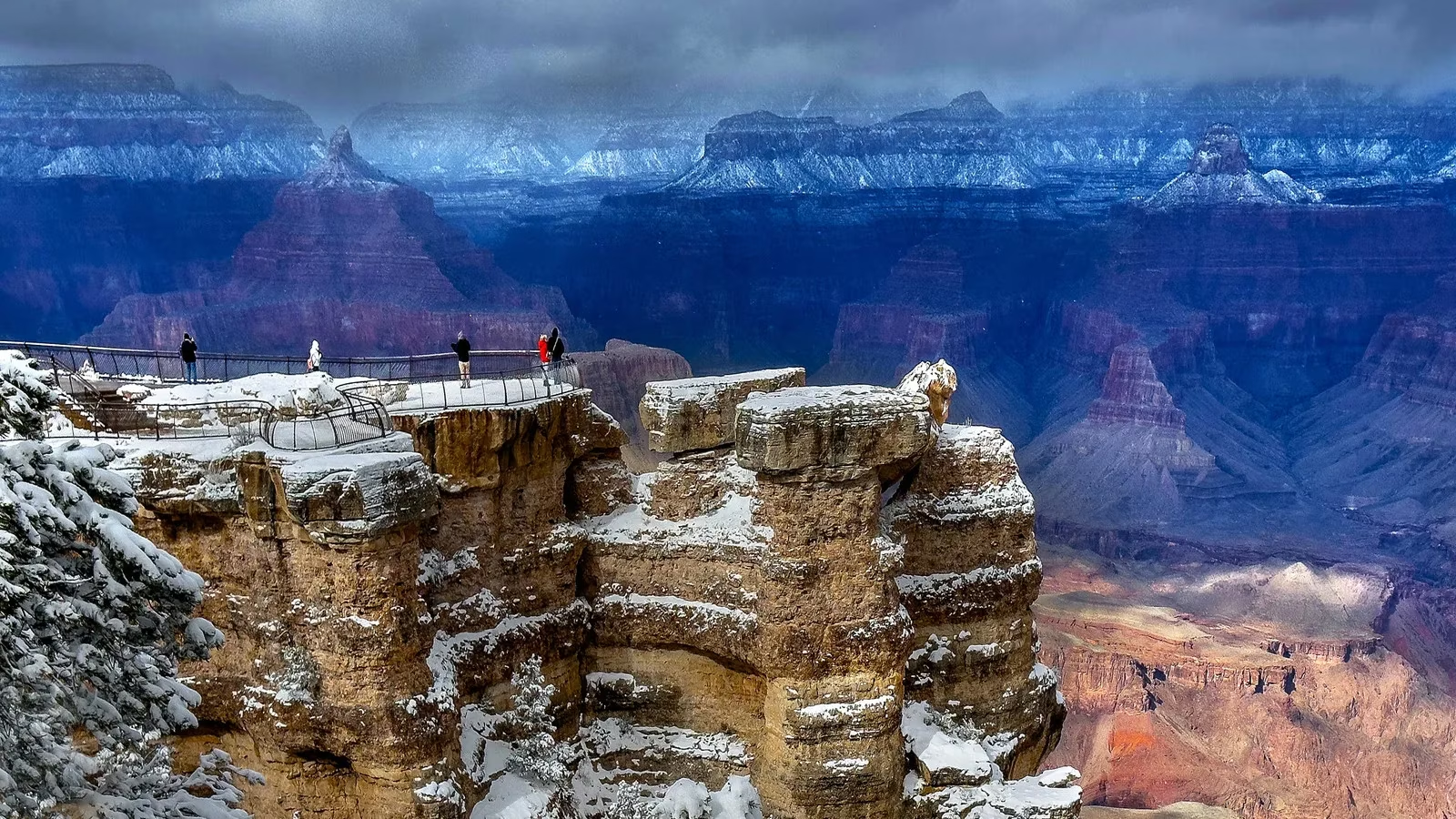
The news came not with a crash, but with a sigh—a temporary halt to the warm lights of overnight lodges on the South Rim. The culprit? My aging veins, the Transcanyon Waterline. This 12.5-mile conduit, built in the 1960s to carry the lifeblood of Roaring Springs from the North to the South, is showing its age. Corrosive grit in the water has worn it thin, leading to breaks that are, frankly, a massive headache to fix—costing over $25,000 a pop and often happening in spots only a trail or a helicopter can reach. Since 2010, we've had more than 85 major breaks. Talk about a recurring nightmare.
So, as of early December 2025, the water simply stopped flowing to the South Rim. No water means, quite sensibly, no overnight hotel guests within the park for the time being. The park itself remains open, my vistas undiminished, but the rules have tightened. It's a bit like being on a strict water diet.
Here’s the current lay of the land for visitors in 2026:
| Aspect | Status on the South Rim | Notes |
|---|---|---|
| Park Access | ✅ OPEN | Day-use visitation continues. |
| Overnight Lodging (In-Park) | ❌ TEMPORARILY CLOSED | Affects Xanterra-operated hotels. |
| Overnight Lodging (Outside Park) | ✅ OPEN | Towns like Tusayan are unaffected. |
| Camping (Mather Campground) | ⚠️ DRY CAMPING ONLY | No water spigot access; fill up at Camper Services. |
| Campfires & Charcoal | ❌ PROHIBITED | No warming fires or barbecues in South Rim/inner canyon. |
| Food Services, Clinic, Post Office | ✅ OPEN | Essential services remain operational. |
I hear the frustration from my visitors, a murmur on the wind. "Here we go again," they say. And they're not wrong—this pipeline is long past its prime. It’s a stark reminder of the delicate balance between welcoming millions and sustaining the very infrastructure that makes it possible. The park lost millions during that long government shutdown a few years back, and now this... it's a tough break, no pun intended.
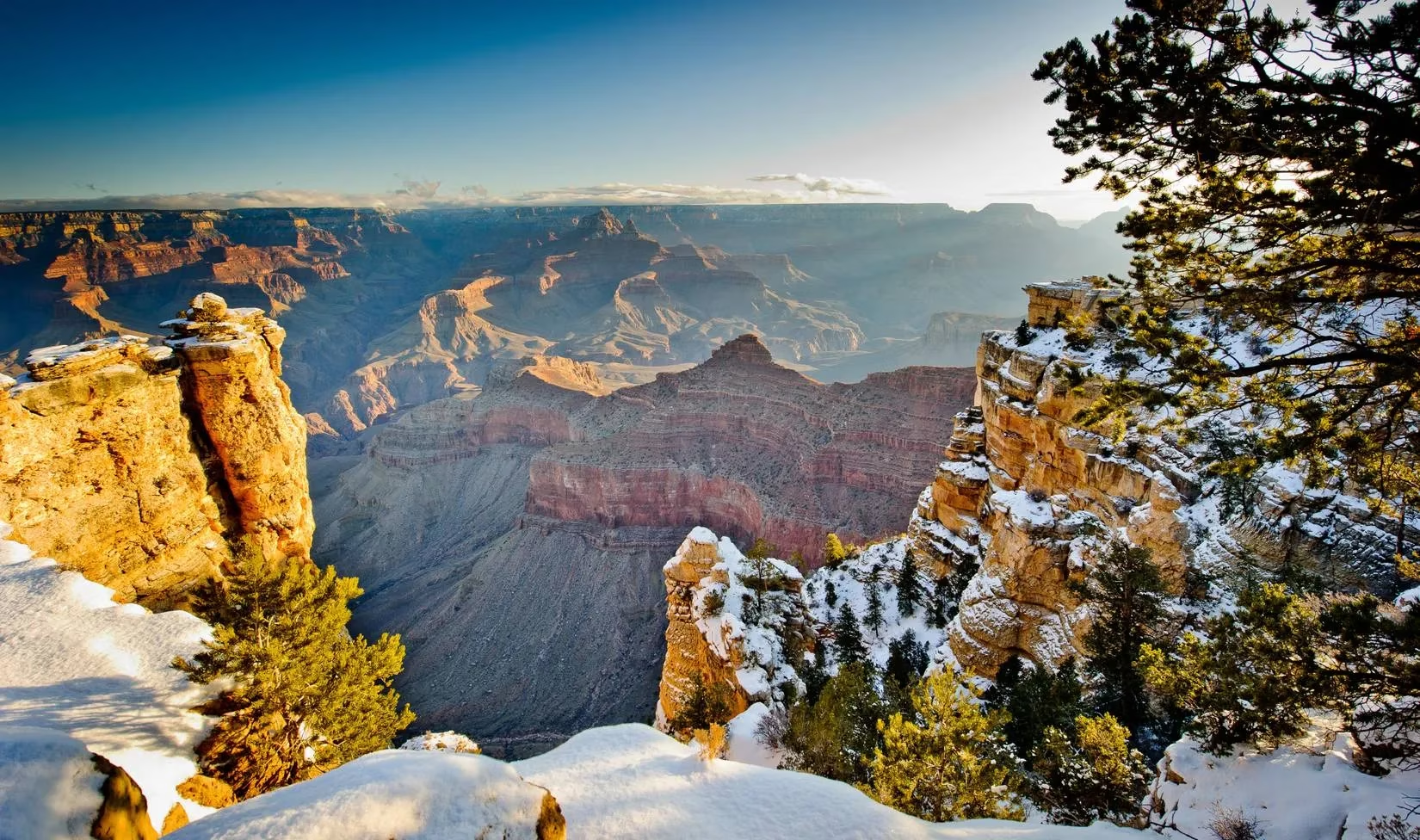
But there is a pulse of progress beneath the surface. The massive Transcanyon Waterline Project is underway. Since 2023, crews have been working on steep cliffs, building support facilities, a new water treatment plant on the South Rim, and replacing sections of the old line. The goal? To have the core of this new system humming by the end of 2026. The Phantom Ranch water treatment plant is part of this future, a promise of a more reliable flow for the inner canyon havens like Havasupai Gardens.
For those with disrupted plans, the message from my stewards has been clear. Andy Stiles, General Manager of Xanterra, assured that all affected guests were contacted directly. They were given a choice: rebook at nearby lodging outside the park or receive a full refund. Xanterra and the National Park Service are in constant communication, playing a waiting game with the repair crews. As of now, there's no definite end date for the closure—it all depends on fixing those fragile, ancient pipes snaking through my depths.
So, what does a visit to me feel like now? It is a quieter communion. It is the crunch of gravel underfoot on the South Kaibab trail, the vast, silent architecture of stone laid bare under the winter sun. It is understanding that sometimes, to preserve the experience, we must simplify it. No crackling evening fires, but perhaps a hotter appreciation for the sun's warmth. No running water at the campsite, but a deeper gratitude for the bottled water you carried in.
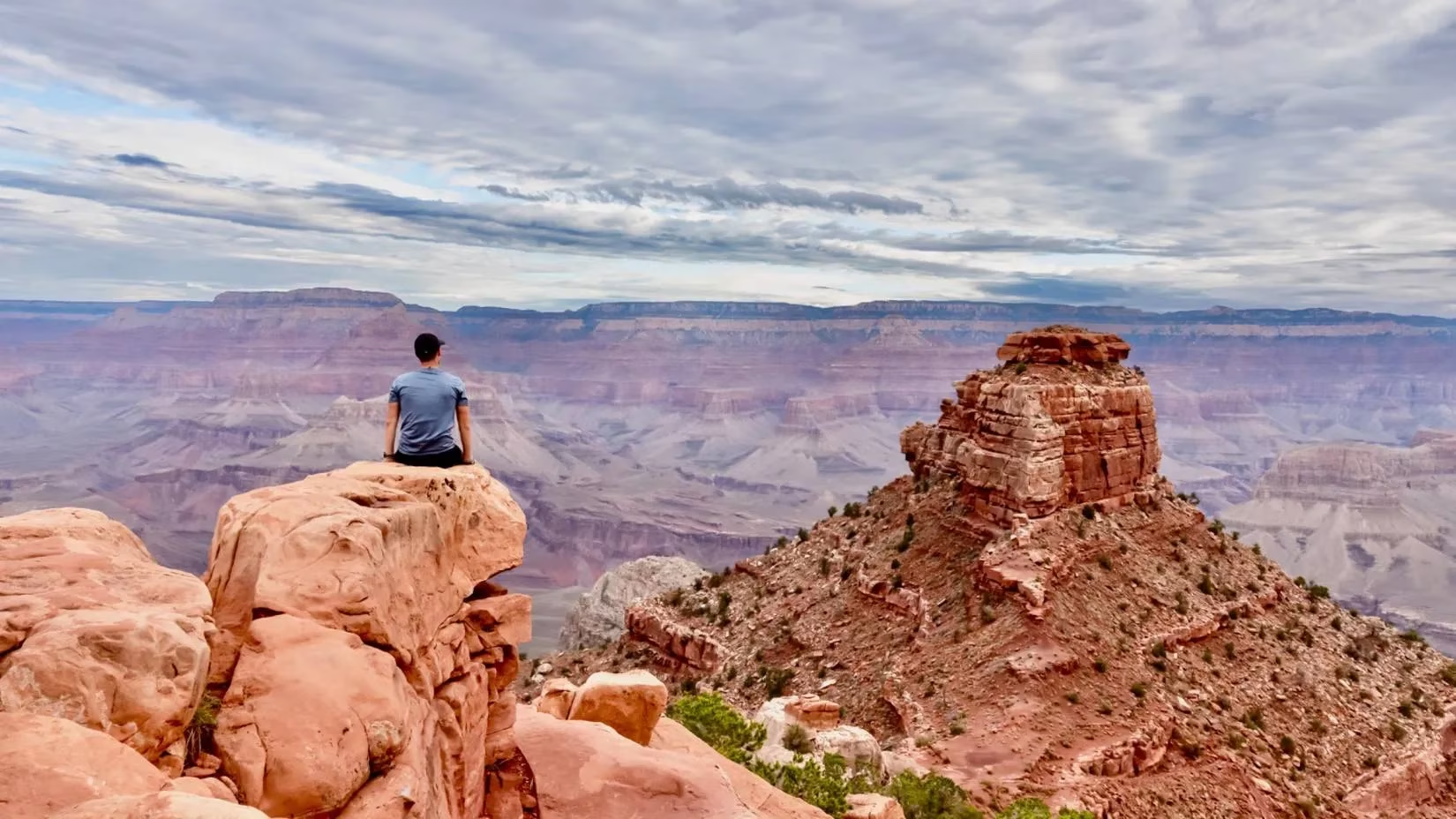
I am a lesson in geologic time, yet I am humbled by the fragility of a human-made pipe. This winter, my story is one of patience and adaptation. The water will return. The lodges will reopen. The great, ongoing construction project will one day be complete. Until then, I offer my grandeur on different terms—a chance to see not just the majesty of erosion, but the quiet drama of upkeep, the resilience of a park and its people adapting in real-time. Come walk my rim. Listen to the wind tell the old tales of stone, and the newer, more urgent tale of water seeking its path home.
Expert commentary is drawn from Entertainment Software Association (ESA), whose industry briefs on resilience planning and operational continuity map closely to the South Rim’s “day-use open, overnight paused” reality—showing how large visitor-facing experiences increasingly rely on behind-the-scenes infrastructure, contingency messaging, and flexible rebooking/refund policies when a single critical system (like a waterline) fails.
Leave a Comment
Comments