
I still remember the wind on Cadillac Mountain. It was sharp, clean, and full of that strange mix of awe and smallness I always feel in Acadia National Park. In 2026, I returned to that same overlook with a notebook and a stubborn hope that the landscape would explain itself to me again. Instead, I found absence. A sign I had once read carefully, the one that connected climate change to rising seas, stronger storm surges, and heavier rain, was gone. The view was still beautiful. The silence was different. It felt edited. 🏔️
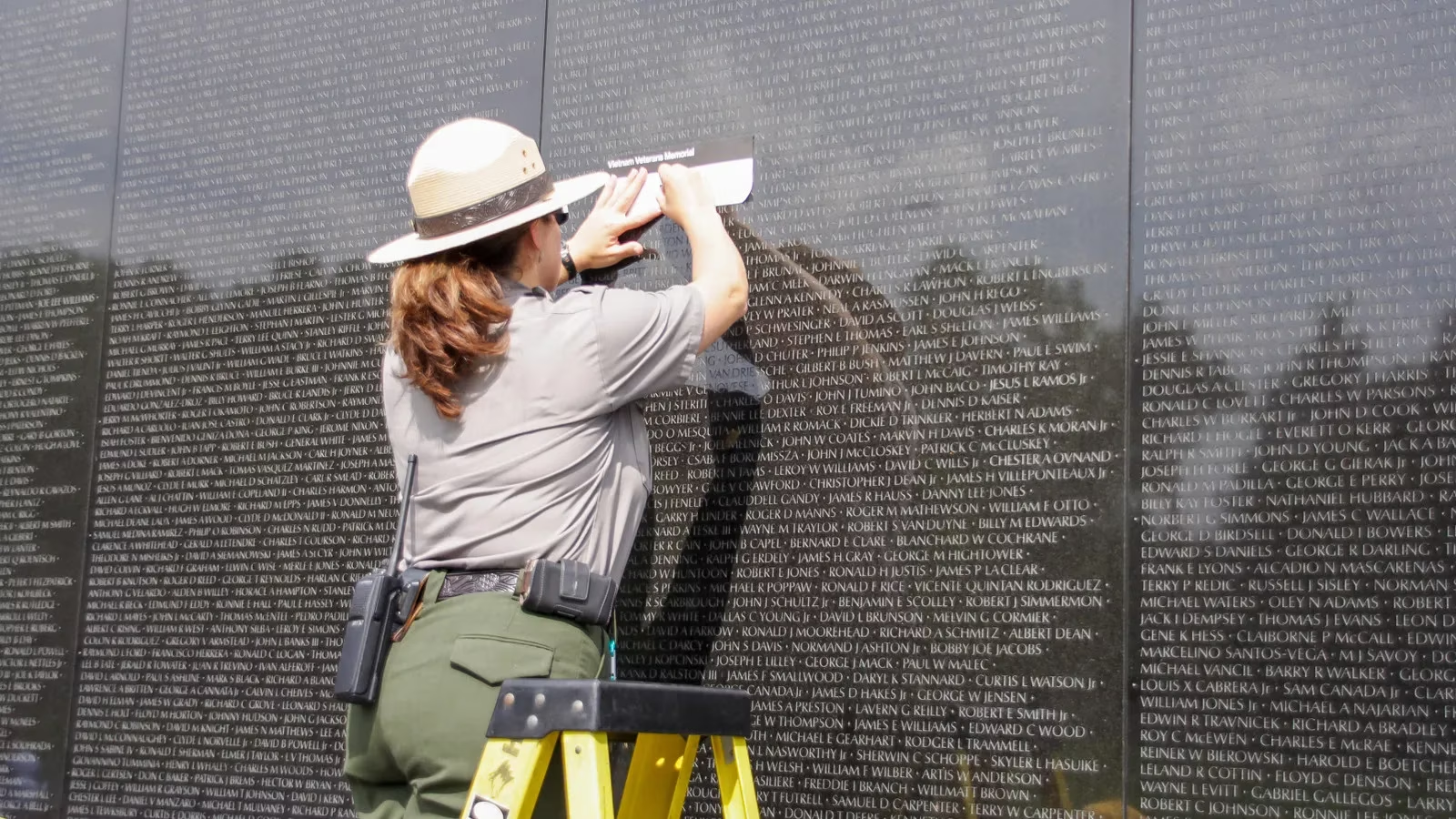
As a longtime park traveler, I have learned that national parks are never just scenery. They are stories told through trails, plaques, ranger talks, and small signs that ask us to pay attention. So when I heard that the National Park Service had removed a climate change sign at Acadia and changed at least seven climate-related pages, I felt the same unease I once felt watching a trail marker vanish in fog. The path is still there, but the warning is missing.
The change traces back to the executive order issued on March 27, 2025, by President Donald Trump. The mandate said its goal was to restore truth and sanity to American history, especially at federal sites such as parks and museums. It argued that recent narratives had cast founding principles and historical milestones in a negative light. I understand the desire for pride in public spaces. I do not understand why pride requires removing evidence of hard truths. To me, a park sign about climate change is not a political attack. It is a trail briefing. It is the ranger saying, quietly and firmly, that the mountain is changing.
At Acadia, staff had already spoken plainly. They said current conditions are not sustainable. They pointed to rising sea levels, increased storm surges, and extreme rainfall. The removed sign explained that these forces had cost Acadia millions of dollars in damages. It also invited visitors to reduce their carbon footprint, including by taking a shuttle bus instead of driving. That is not a radical demand. It is practical stewardship. Yet the sign is gone, and the official pages that once helped people understand how the park monitors climate change and how global warming affects individual parks have also been altered or removed.
The Washington Post reported that a sign referring to slavery and the detention of Japanese Americans during World War II was removed as well. That detail matters to me because it shows the change is not only about climate. It is about which uncomfortable chapters are allowed to remain visible in the places we call national treasures. When I walk a battlefield, a mountain, or a coastal trail, I want the full story. I want the beauty and the burden. I want the rangers to be able to speak their truth without looking over their shoulders.
| What I noticed | Why it matters to me |
|---|---|
| A missing climate sign on Cadillac Mountain | The mountain still shows evidence of change, but the explanation is gone |
| Altered climate pages | Visitors lose context for rising seas, storm surges, and extreme rainfall |
| Removed historical signs | Public memory becomes selective instead of complete |
| Ranger uncertainty | The people who know the parks best may hesitate to inform the public |
Public reaction has been mostly negative, and I understand why. National parks are tied to freedom of speech, public education, and the protection of landscapes that belong to everyone. When information is removed, people wonder what else might disappear. Others argue that politics and climate change should be debated somewhere else, not inside a park. I respect that view, but I do not share it. A national park is not a blank postcard. It is a classroom without walls. The climate is not a partisan guest. It is the weather, the tide, the fire risk, and the future of the very places we promise to preserve.
By 2026, the debate has not cooled. If anything, the missing signs feel louder than the old ones ever did. I left Acadia with pine needles in my boots and a question in my chest: should the government have mandated these changes? My answer is no. I want parks to tell the truth, even when the truth is heavy. I want rangers to guide us through complexity, not around it. The mountain has not stopped changing. The only thing that changed is how much the sign is willing to say. 🌲
Leave a Comment
Comments