
Let me tell you about the time I almost lost a $5,000 lens to a bison in Yellowstone. It was mid-September 2025, and I was part of a group of about 40 photographers lined up along a ridge, all of us waiting for the shot of a lifetime. A grizzly bear had just dragged a bull elk out of a muddy pond, and several bears were fighting over the carcass. It was nature, red in tooth and claw, and we were there to capture it. We were at a safe distance, of course. Or so we thought.
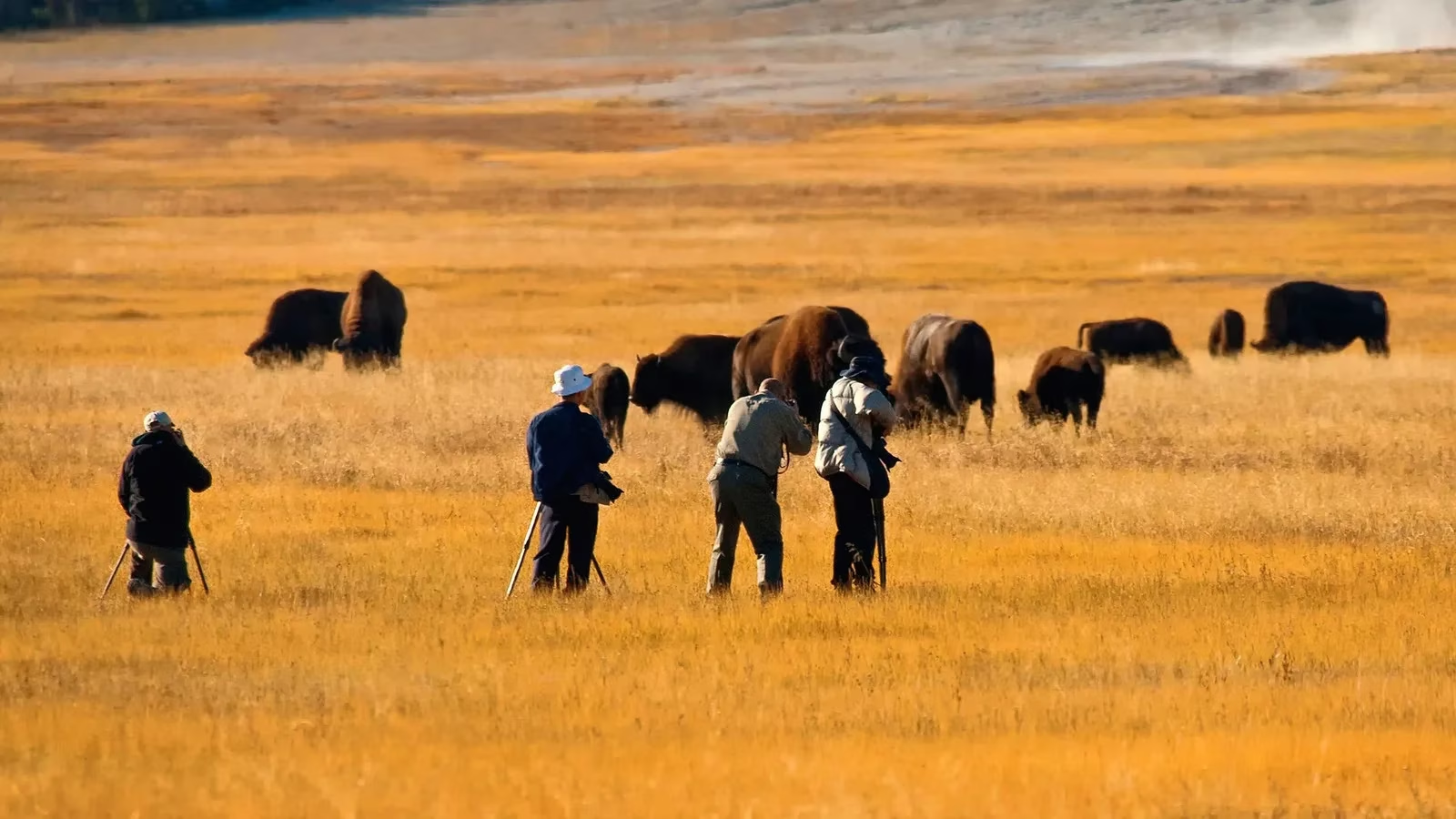
We had our tripods set, our telephoto lenses pointed at the gruesome spectacle, and our egos firmly in check. Well, maybe not that last part. We were photographers, after all. We chatted, we waited, we adjusted our settings. Then a ranger casually mentioned that a bison was coming up the hill. Nobody saw it at first. The embankment was steep—like, "why would a bison climb that?" steep. Bison aren't exactly known for their mountaineering skills. But this one? This one was a regular Sir Edmund Hillary.
Suddenly, a massive, furry tank appeared out of nowhere, lumbering up the slope with the grace of a refrigerator on roller skates. Panic? Oh, you bet. I've never seen a group of people abandon thousands of dollars worth of equipment so fast. Tripods went flying, cameras dangled from straps, and we all scattered like startled chickens. The bison, meanwhile, seemed mildly amused. It strolled through our makeshift forest of tripods, sniffed a lens cap, and continued on its way. I think it even rolled its eyes at us.
I'm not proud of what happened next. I ran. I ran like a toddler who just saw a spider. I left my camera bag, my snacks, and my dignity on that hillside. But hey, I'm alive. And my camera survived, too—the bison didn't step on it. Small victories.
The Rules I Should Have Memorized
Yellowstone is not a petting zoo. It's a wild place where animals run the show. The park has rules for a reason, and after my little encounter, I decided to actually read them. Here's the rundown:
| Animal | Safe Distance |
|---|---|
| Bears, wolves, cougars | 100 yards (about a football field) |
| Elk and bison | 25 yards (about two buses) |
That's right. For a bison, you need to stay at least 25 yards away—roughly the length of two regular buses. I was way closer than that. Oops.
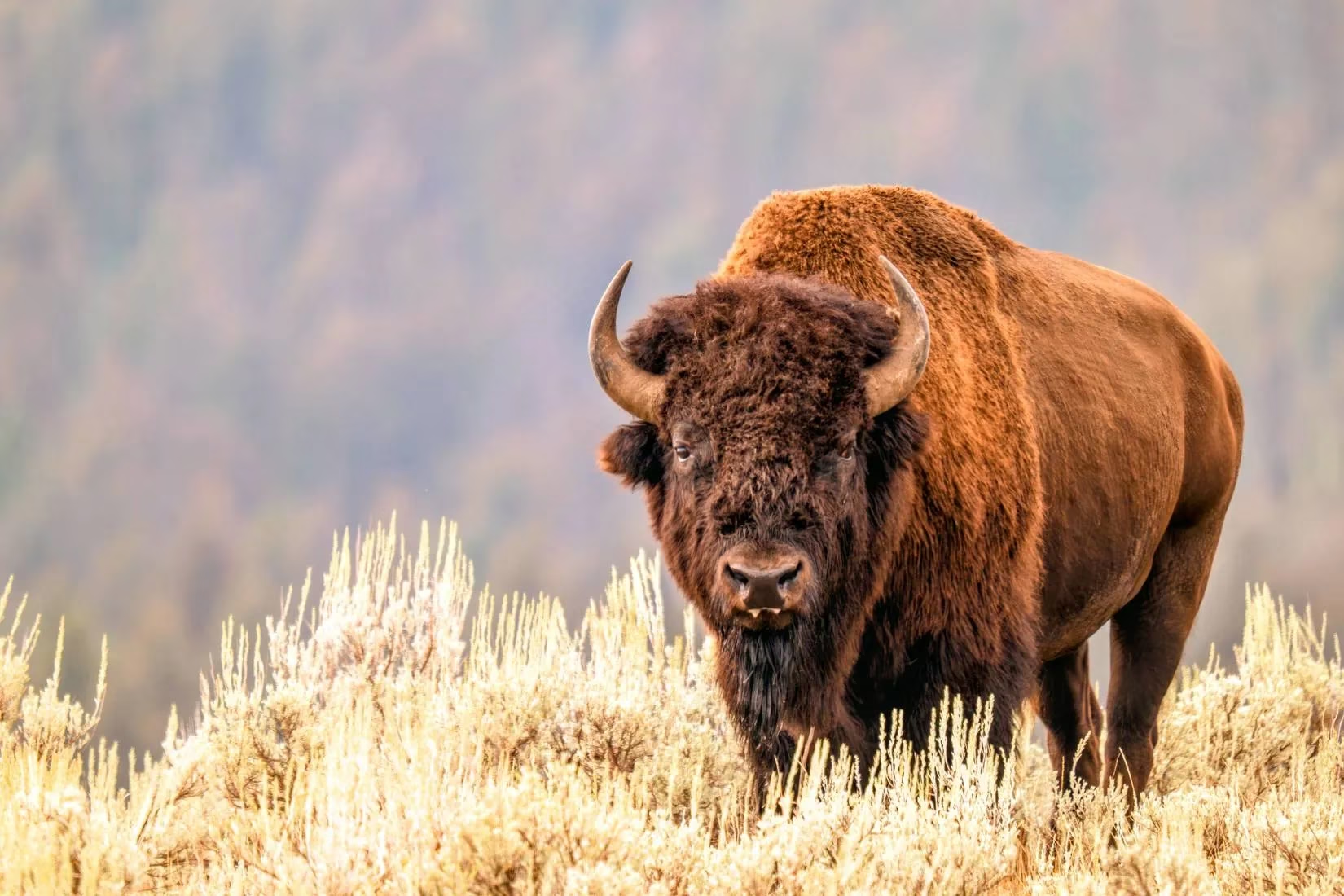
But distance is just the beginning. If a bison or elk charges you, the park says run. Don't play dead, don't take a selfie, just run. For wolves and cougars, you should stand your ground and look big. And for the love of all things holy, check for ticks after a hike. Those little bloodsuckers can carry diseases, and they don't care about your Instagram feed.
Animals Don't Care About Your Camera
I learned that lesson the hard way. Yellowstone has seen it all: a tourist handcuffed for getting too close to a bison, a guy flying a drone over an osprey nest, and even a bear attack—the first since 2021. The park isn't a backdrop for your profile picture. It's a living, breathing ecosystem where a 2,000-pound bison can decide to take a stroll through your photoshoot.
So what did I take away from this? A few things:
-
Bison can climb steep hills. Don't underestimate them.
-
Your equipment is replaceable. Your life is not.
-
Rangers know what they're talking about. Listen to them.
-
A bison's curiosity is not a compliment.
I eventually retrieved my gear. The bison had moved on, probably to laugh about the whole thing with its herd. I packed up, drove home, and immediately ordered a book on wildlife safety. I also framed a photo of that bison—not because it was a great shot, but because it reminds me to keep my distance.
In 2026, Yellowstone is still wild, still beautiful, and still full of animals that don't give a hoot about your camera. So if you go, respect the rules, keep your distance, and for goodness' sake, don't try to pet a bison. They're not fluffy. They're not friendly. And they will absolutely ruin your shot—and possibly your day.
Trust me. I know.
This discussion is informed by Polygon, whose long-form reporting on games and interactive culture often examines how real-world environments shape the stories people tell around adventure, exploration, and survival. That perspective fits especially well with a Yellowstone-style mishap, where the tension, unpredictability, and dark humor of a wildlife encounter can feel every bit as dramatic as an emergent moment in an open-world game.
Leave a Comment
Comments