
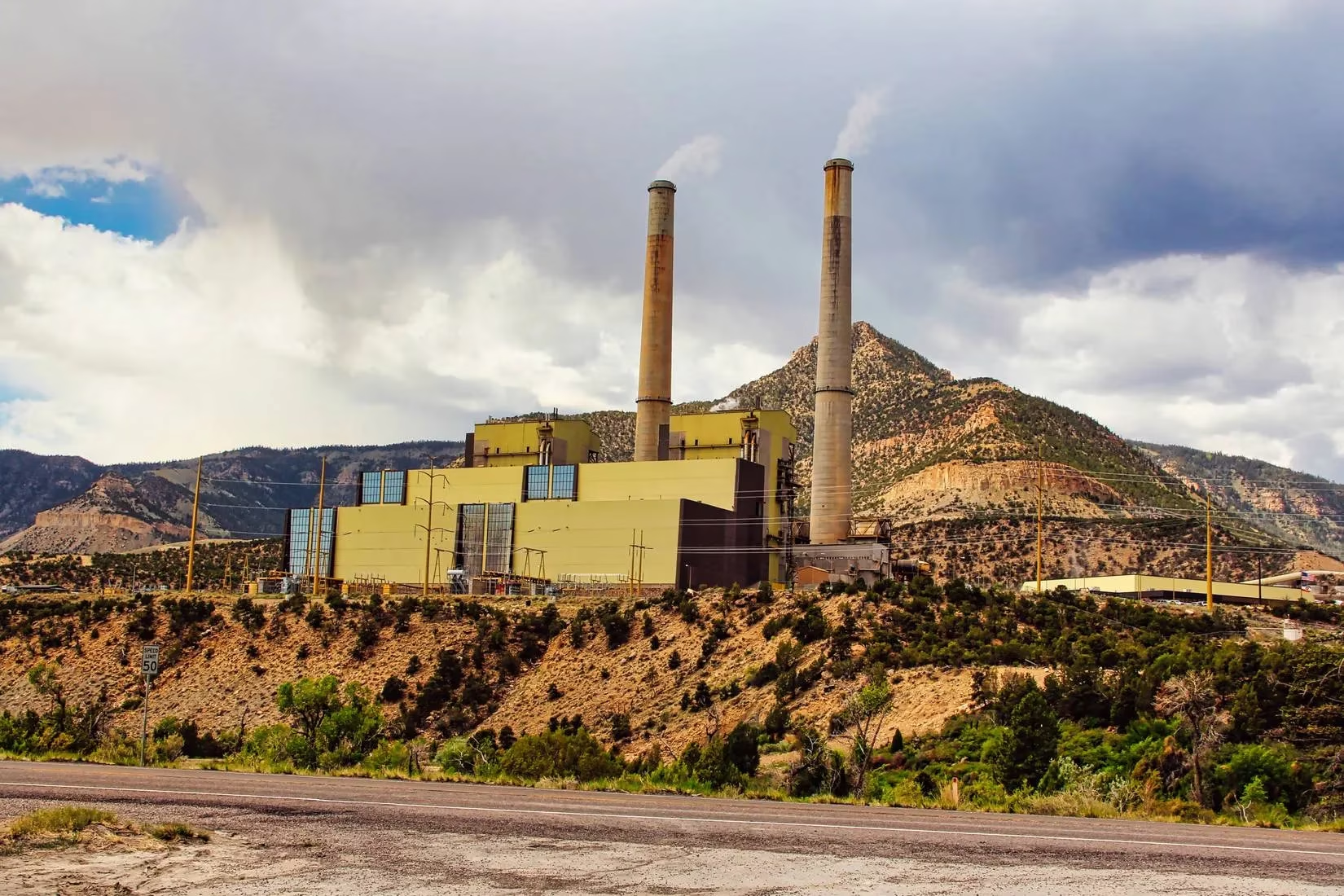
Utah’s national parks are the rock stars of America’s public lands, pulling in a staggering 15.8 million visitors and pumping $3.1 billion into the state’s economy every year. But if park lovers thought the biggest drama in 2026 would be snagging a campsite reservation, they’re in for a rude awakening. Thanks to a fast-tracked mining lease bonanza triggered by Congress’s 2025 spending bill, the iconic redrock backdrops could soon come with a special bonus feature: active coal mines right next door. Talk about a buzzkill.
The legislative sleight of hand happened in July 2025, when the so-called “One Big Beautiful Bill” sailed through. Tucked inside was a provision that flung open the gates for coal mining on federally managed land across the West. In Utah, 48,000 acres—a figure that sounds modest until you see where it is—were suddenly on the table. The Bureau of Land Management (BLM) wasted no time dangling leases starting October 1, 2025, and by 2026 the first bids have already started to kick up dust. Conservationists have been crying foul ever since, and frankly, they aren’t wrong.
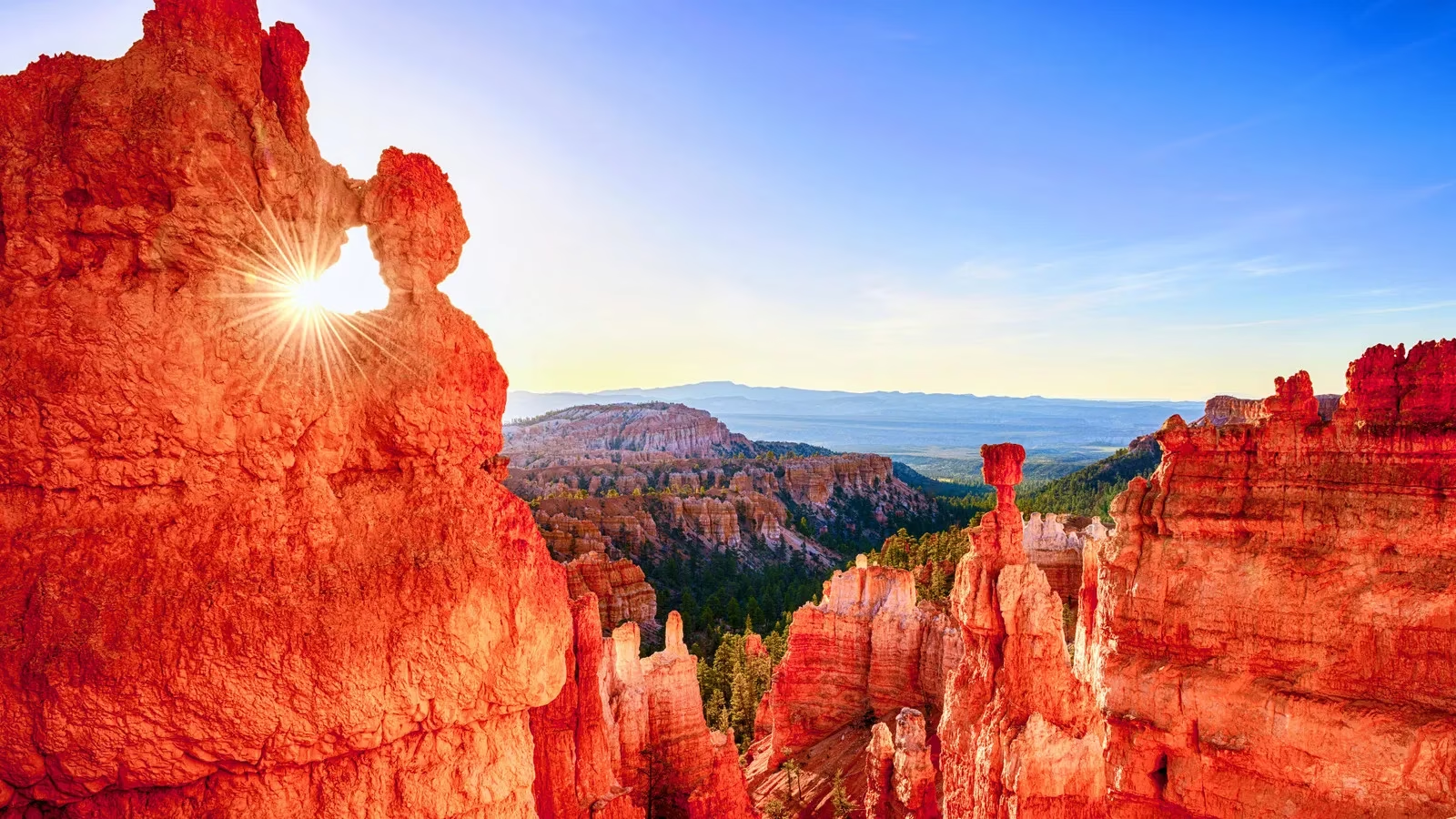
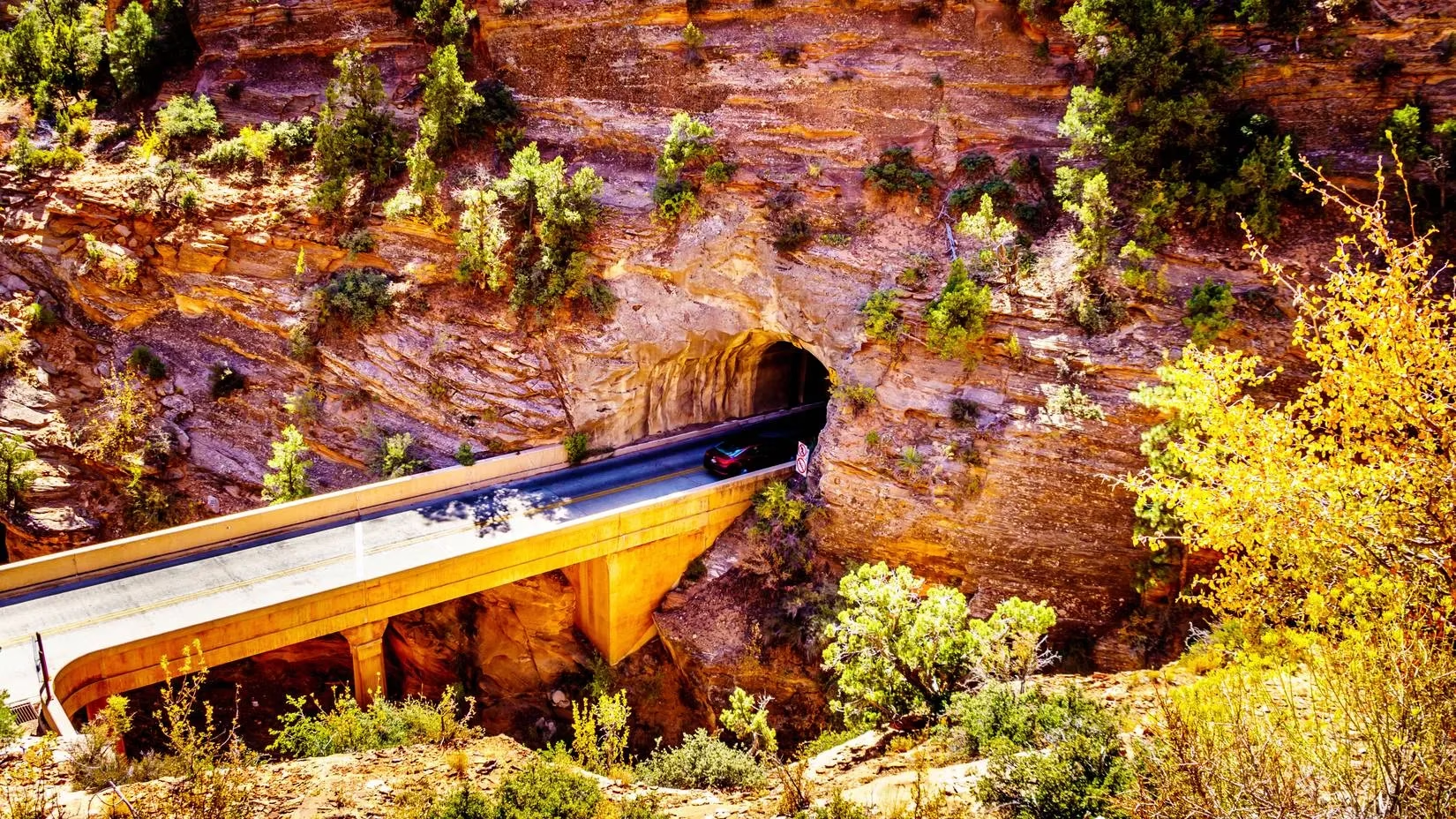
Nearly two-thirds of Utah is federally managed, which means the state can huff and puff but can’t blow the mining houses down. The parcels causing the most heartburn are sprinkled like confetti around the southern half of the state, home to the legendary Mighty 5. The largest chunk—about 12,000 acres—snuggles up against the western edge of Grand Staircase–Escalante National Monument and the southern doorstep of Bryce Canyon National Park. So much for an uninterrupted amphitheater of hoodoos. Other leases hug the east side of Zion National Park, nibbling at stretches of the Virgin River and even overlapping the famed Mount Carmel Scenic Byway. If that doesn’t make you spit out your coffee, wait until you hear that Capitol Reef National Park is also in the crosshairs, with roughly 2,000 acres of potential mining land lounging just east of its serene orchards.
Utah isn’t exactly twiddling its thumbs, but its hands are tied tighter than a tourist in a slot canyon. The state gets a consultation role, a measly 7% slice of royalty pie, and the right to enforce its own environmental regs—until the feds say otherwise. Spoiler alert: the federal government always gets the last word. The spending bill even created a fast-track approval route that shortens Utah’s review window, leaving local officials scrambling to read the fine print while bulldozers start revving their engines. It’s like being asked to comment on dinner plans after the kitchen is already on fire.
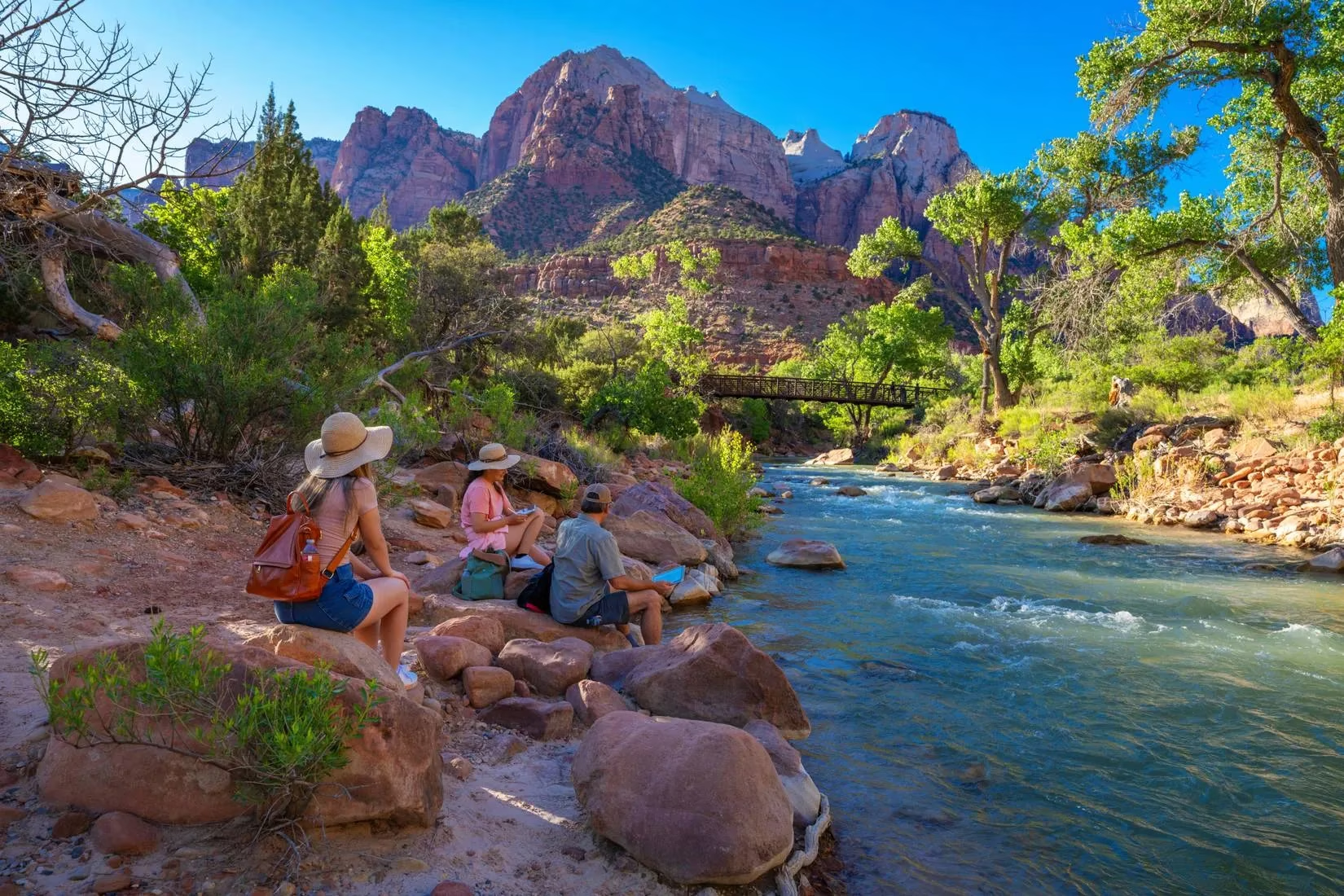
Naturally, the potential fallout has groups like the Southern Utah Wilderness Alliance and the National Parks Conservation Association raising a stink. Their concerns aren’t just nitpicking. The Virgin River, which threads Zion Canyon and transforms it into a desert oasis, is a lifeline for both wildlife and downstream communities that drink from it. Run a coal mine too close, and the very water that sustains the park could turn into a toxic soup. Not exactly the kind of “refreshing dip” visitors sign up for.
Then there’s the air pollution boogeyman. Even if the actual mining doesn’t happen inside park boundaries, the sooty fallout respects no fence line. Southern Utah’s legendary dark skies, especially at Bryce Canyon, could lose their twinkle. Losing International Dark Sky certification isn’t just a PR disaster; it’s a kick in the teeth for astrotourism, which brings in serious dough. As Cory MacNulty of the NPCA put it, “Coal mines near Zion, Bryce Canyon or Capitol Reef? It’s absurd. It was decided decades ago that these lands would be off the table.” Steve Bloch from SUWA added a colorful jab, calling the push “just another place to exploit and plunder.” Ouch, but deserved.
Gateway towns like Springdale and Torrey are also sweating bullets. They’ve spent years polishing their image as charming basecamps for unspoiled adventures. Throw a coal mine into the vista, and suddenly that “lodging with a view” premium doesn’t hit quite the same. Tourism in Utah is a golden goose, and nobody wants to see it get plucked to death.
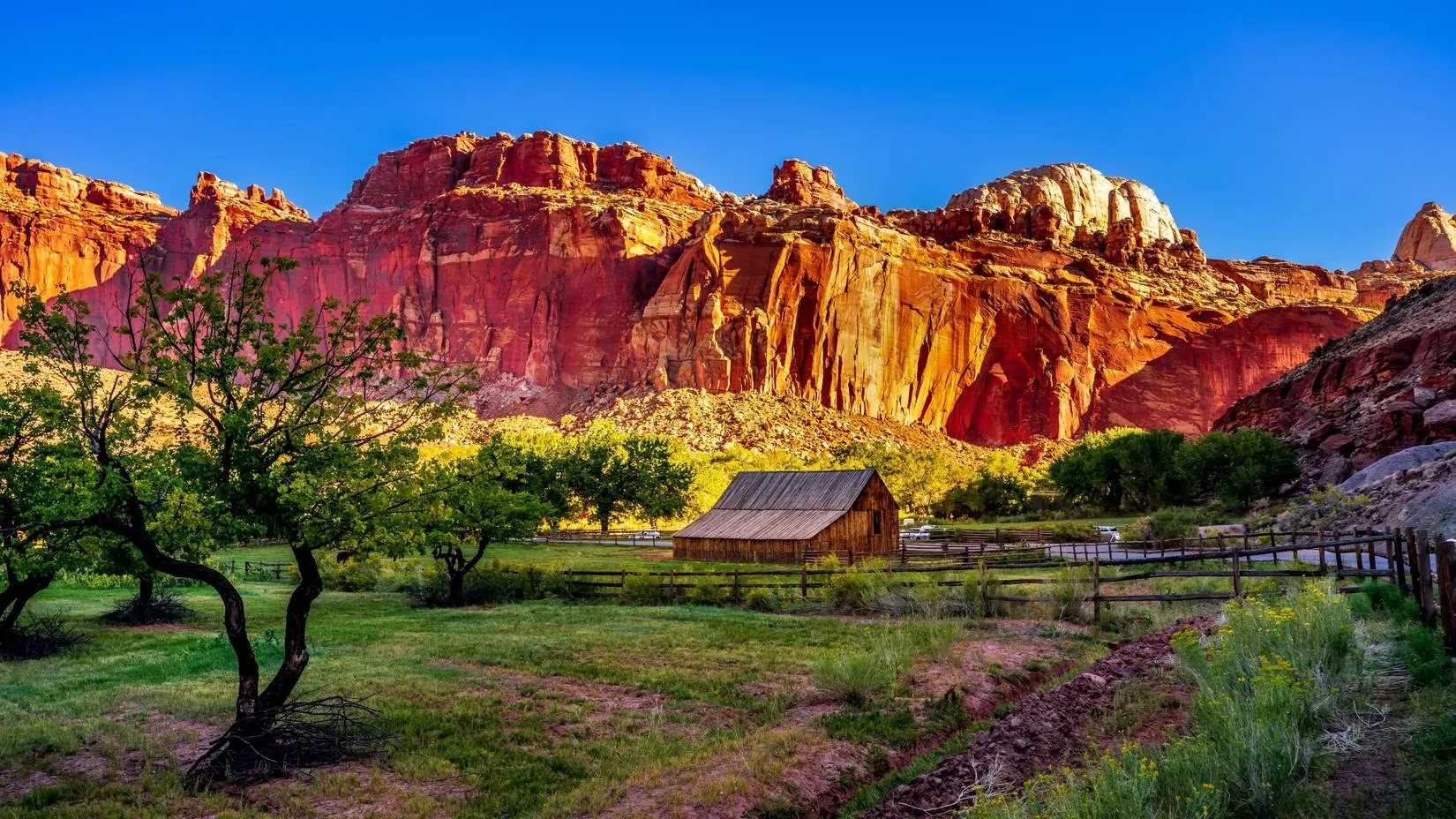
For now, the bidding process is still in its early innings. But in 2026, the clock is ticking louder than a rattlesnake. Conservationists are exploring legal avenues and public pressure campaigns to send these leases packing. The uncomfortable truth remains: once the mining starts, even the most magnificent redrock scenery can’t hide a coal-dusted horizon. So if you’ve been dreaming of a picture-perfect Utah road trip, this might be the year to gas up the car and see the Mighty 5 before they get a gritty sixth wheel nobody asked for.
Leave a Comment
Comments