
The year 2026 continues to be a period of intense scrutiny and debate for America's public lands, particularly within the iconic landscapes of Utah. While the National Park Service (NPS) navigates the long-term effects of past funding challenges and management pressures, a new front has opened in the battle over the future of Utah's crown jewels: Zion, Arches, Canyonlands, Bryce Canyon, and Capitol Reef National Parks, collectively known as the Mighty Five. A controversial meeting between state officials and the Department of the Interior (DOI) has ignited significant concern among conservationists, who fear the proposed changes could set a dangerous national precedent.
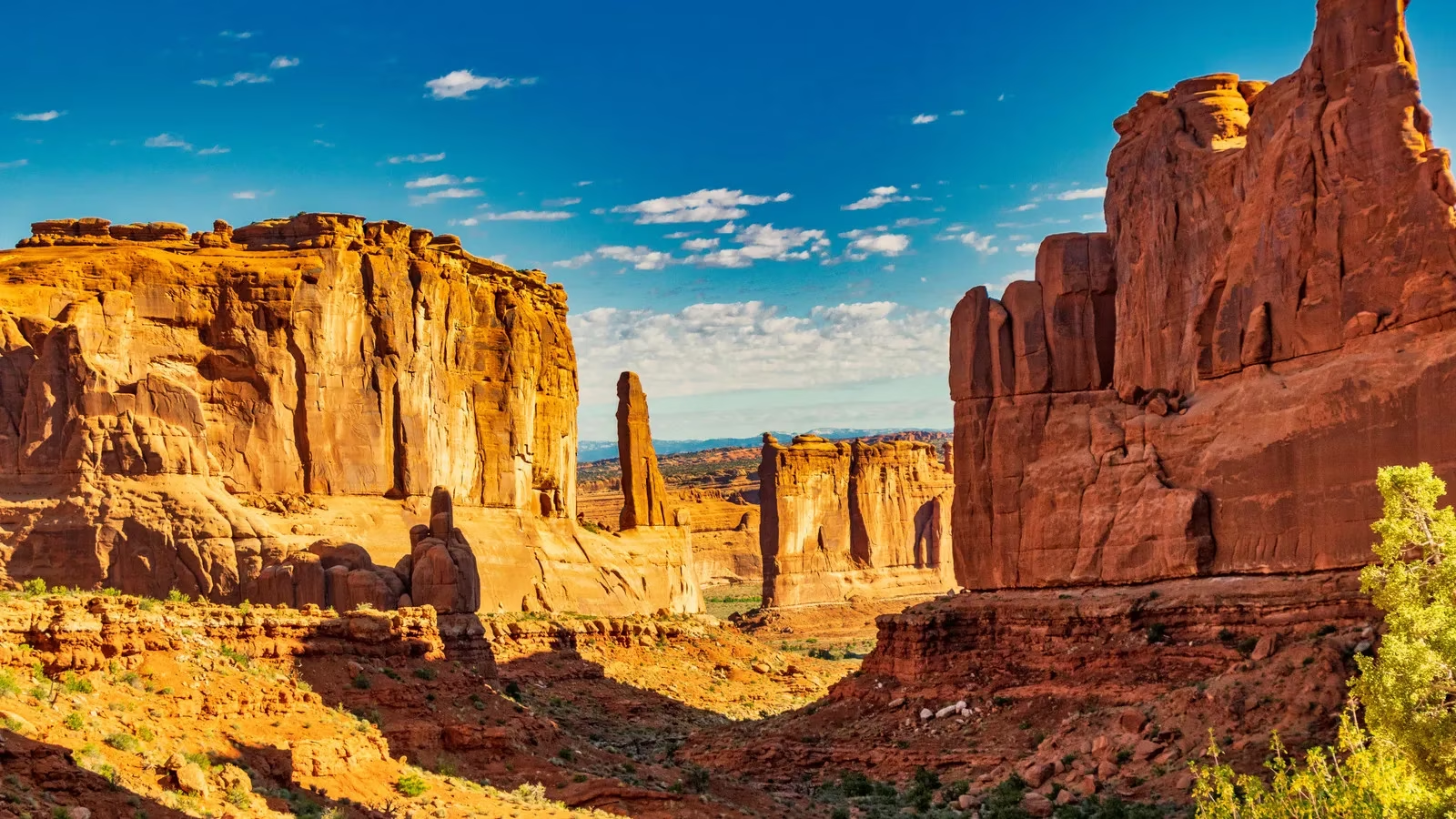
The Southern Utah Wilderness Alliance (SUWA), a nonprofit dedicated to protecting the region's wilderness, has been vocal in its criticism. They allege that a closed-door 'workshop' held between the DOI and Utah's Public Land Policy and Coordinating Office (PLPCO) was designed to circumvent open meeting laws and unveiled a list of state demands that could fundamentally alter the character and management of these parks. Neal Clark, Wildlands director at SUWA, characterized the event starkly, stating, "The secrecy around yesterday’s meeting says it all. Instead of an open and transparent conversation, the State of Utah ran a closed-door event where it unveiled its management priorities and direction for the NPS units in Utah."
The proposals presented by state and county officials are multifaceted and, from a conservation perspective, alarming. They represent a clear push for increased state influence over federal lands. The key demands include:
-
Opening Parks to Off-Highway Vehicles (OHVs): A central and contentious proposal seeks to allow off-road vehicle use on designated roads within Canyonlands and Capitol Reef National Parks. This initiative is framed by some Utah legislators, like Senators Mike Lee and John Curtis, as a measure to enhance access for Americans with disabilities. However, the NPS has historically maintained that such vehicles pose "a significant risk to park resources and values which cannot be appropriately mitigated."
-
Eliminating Visitor Management Systems: The state demands the removal of the timed-entry reservation system at Arches National Park and the scaling back of other permit systems across the Mighty Five. The goal is explicitly to increase overall visitation numbers.
-
Infrastructure Development: A specific proposal calls for paving a section of the rugged Burr Trail, a backcountry route connecting Capitol Reef, Glen Canyon National Recreation Area, and the Grand Staircase-Escalante National Monument.
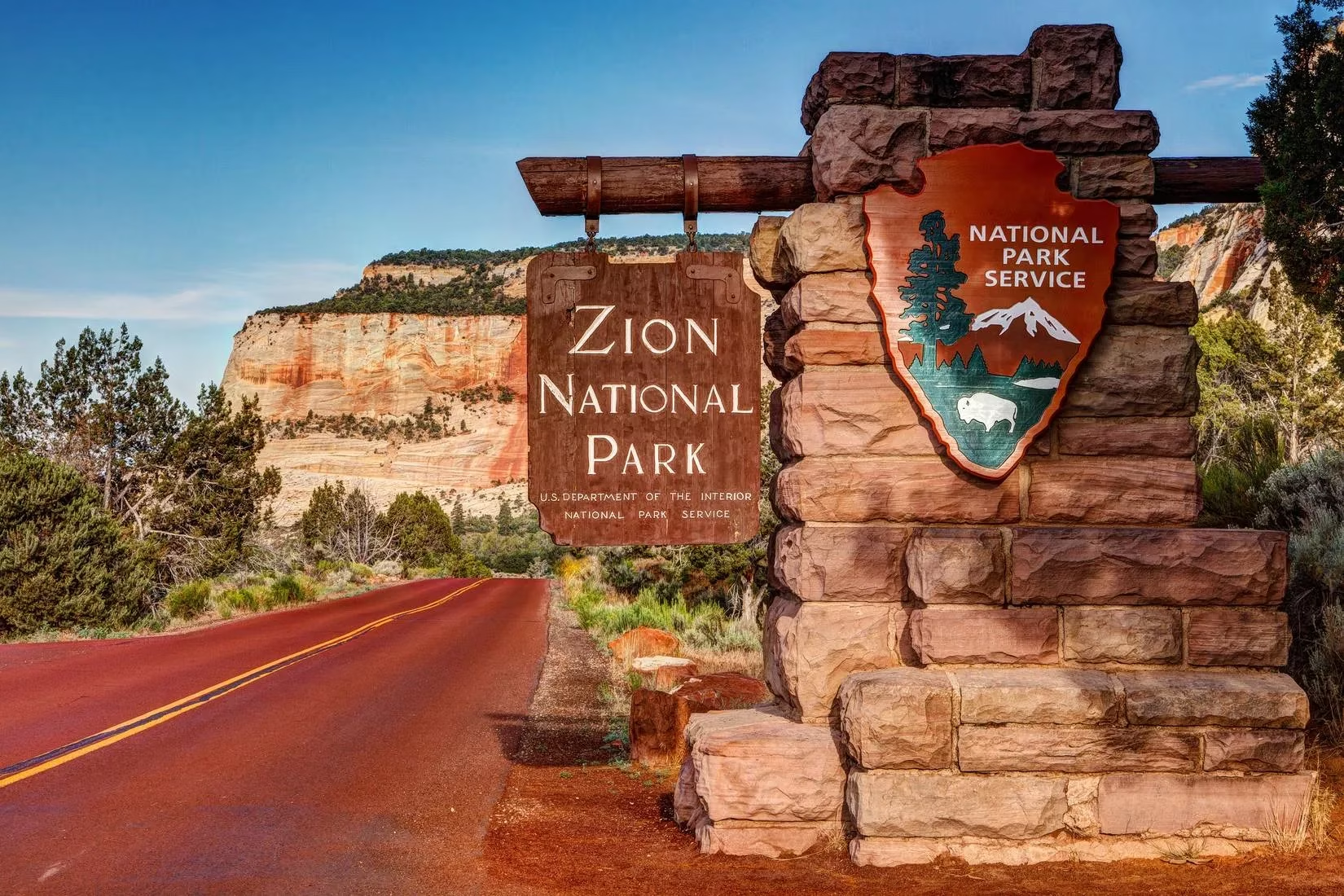
Conservationists argue these demands are not isolated requests but part of a broader strategy. SUWA warns that the DOI may be using Utah's parks as a testing ground for authorizing greater state management of NPS sites nationwide. This would directly contradict the foundational Organic Act of 1916, which established that national parks should remain under federal stewardship to preserve them unimpaired for future generations. Neal Clark expressed this grave concern, noting such a move "would set a dangerous precedent with wide ranging and significant impacts for the millions of acres of national parks nationwide."
Let's examine the potential consequences of these specific proposals more closely 😟.
The Battle Over Access vs. Preservation
The push to eliminate timed-entry at Arches, for instance, overlooks the critical reason these systems were implemented: to prevent damaging overcrowding. These reservations, required only during peak hours in the spring and fall, are a direct response to visitor experiences being diminished by traffic gridlock and overcrowded trails. Removing them could lead to a rapid decline in both visitor satisfaction and the park's fragile natural resources.
Similarly, the introduction of OHVs into the serene backcountry of Canyonlands and the otherworldly landscape of Capitol Reef is seen as a fundamental threat. The noise, dust, and potential for habitat disruption stand in stark contrast to the quiet contemplation these parks are designed to foster. Clark's criticism was pointed: "Parks like Zion, Arches, and Bryce Canyon are the envy of the world, but all Utah politicians can imagine is a future where these parks and others are overrun by off-road vehicles and out-of-control visitation."
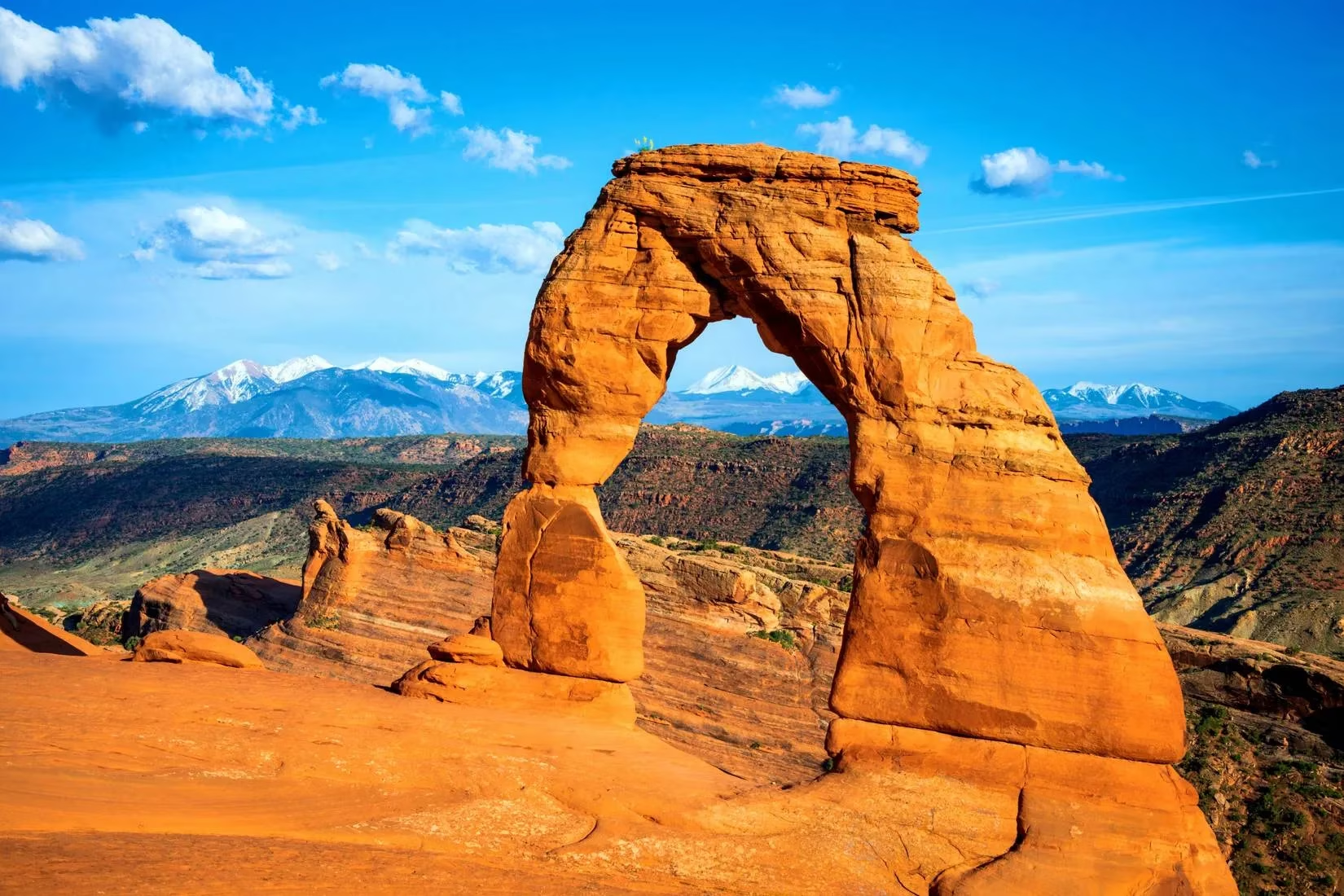
The current situation presents a complex tableau of competing interests:
| Stakeholder | Primary Stated Goal | Potential Impact of Proposals |
|---|---|---|
| State of Utah / PLPCO | Increase recreational access & state management control. | Higher visitation, reduced federal regulation, possible resource degradation. |
| National Park Service (NPS) | Preserve resources unimpaired for future generations. | Erosion of management authority, conflict with core mission. |
| Conservation Groups (e.g., SUWA) | Protect wilderness character & ecological integrity. | Loss of solitude, habitat damage, setting of a harmful national precedent. |
| Visitors Seeking Unrestricted Access | Maximize personal convenience and spontaneity. | Short-term ease of access, long-term crowded and degraded park experience. |
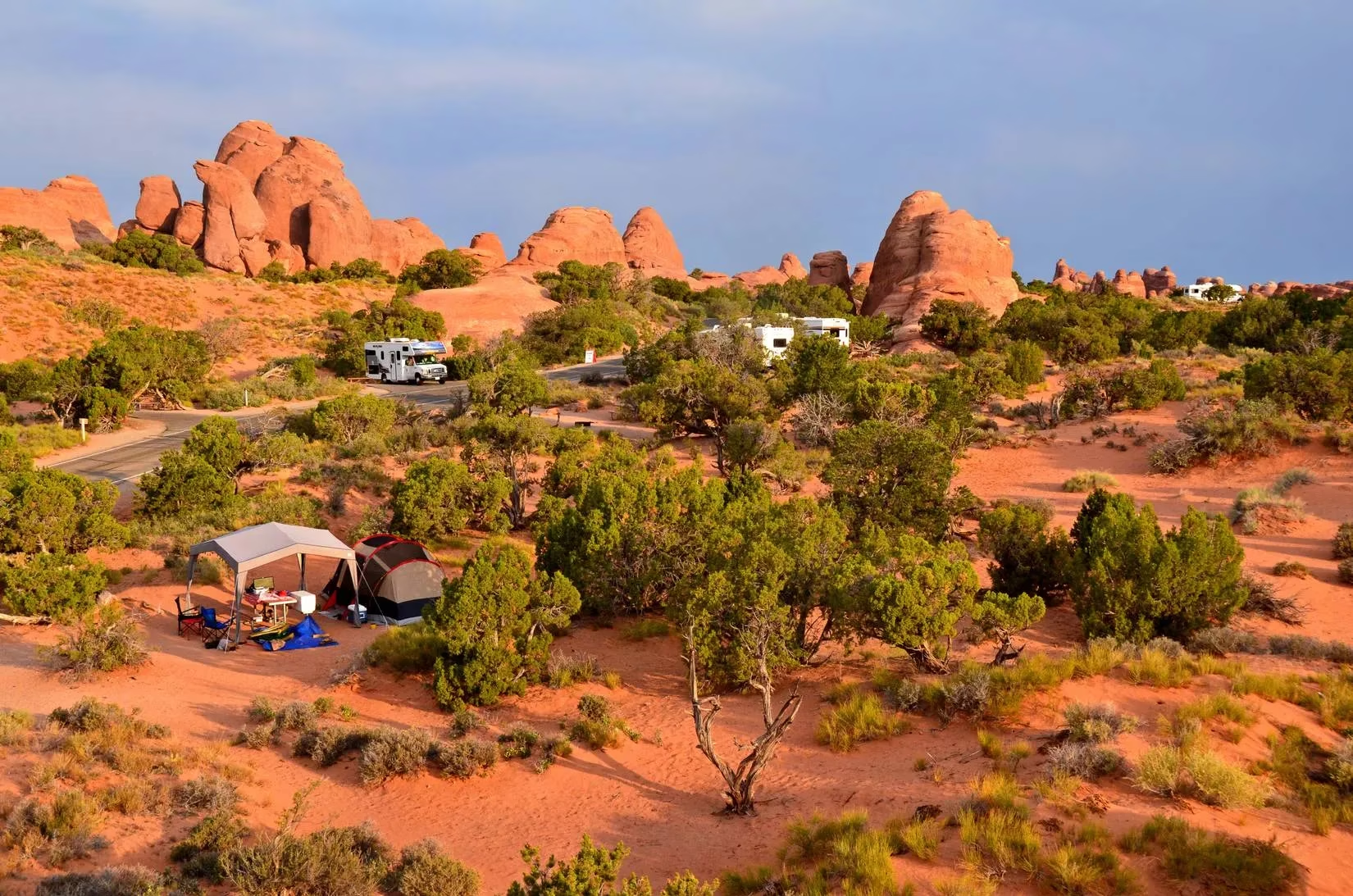
As of 2026, the fate of these proposals remains uncertain. They have not been enacted, but their mere presentation in such a forum signals a significant shift in pressure on the NPS. Environmental organizations continue to sound the alarm, framing the state's actions not as benign policy suggestions but as a direct "power grab." The outcome of this confrontation in Utah will be closely watched, as it may very well determine the balance between state interests and federal protection for treasured landscapes across the entire country. The Mighty Five have weathered eons of geological change, but their future now hinges on a modern political struggle over who gets to decide what preservation truly means.
Leave a Comment
Comments