
I’ve covered America’s national parks long enough to know that beauty and danger often share the same trailhead. But the Grand Canyon—that vast, striped amphitheater in Arizona—still has a way of making me feel small. Standing on the South Rim in 2026, I can’t help but remember the headlines from September 2025, when the canyon’s sheer drop-offs turned a scenic drive into a tragedy. The canyon doesn’t negotiate. It just is.
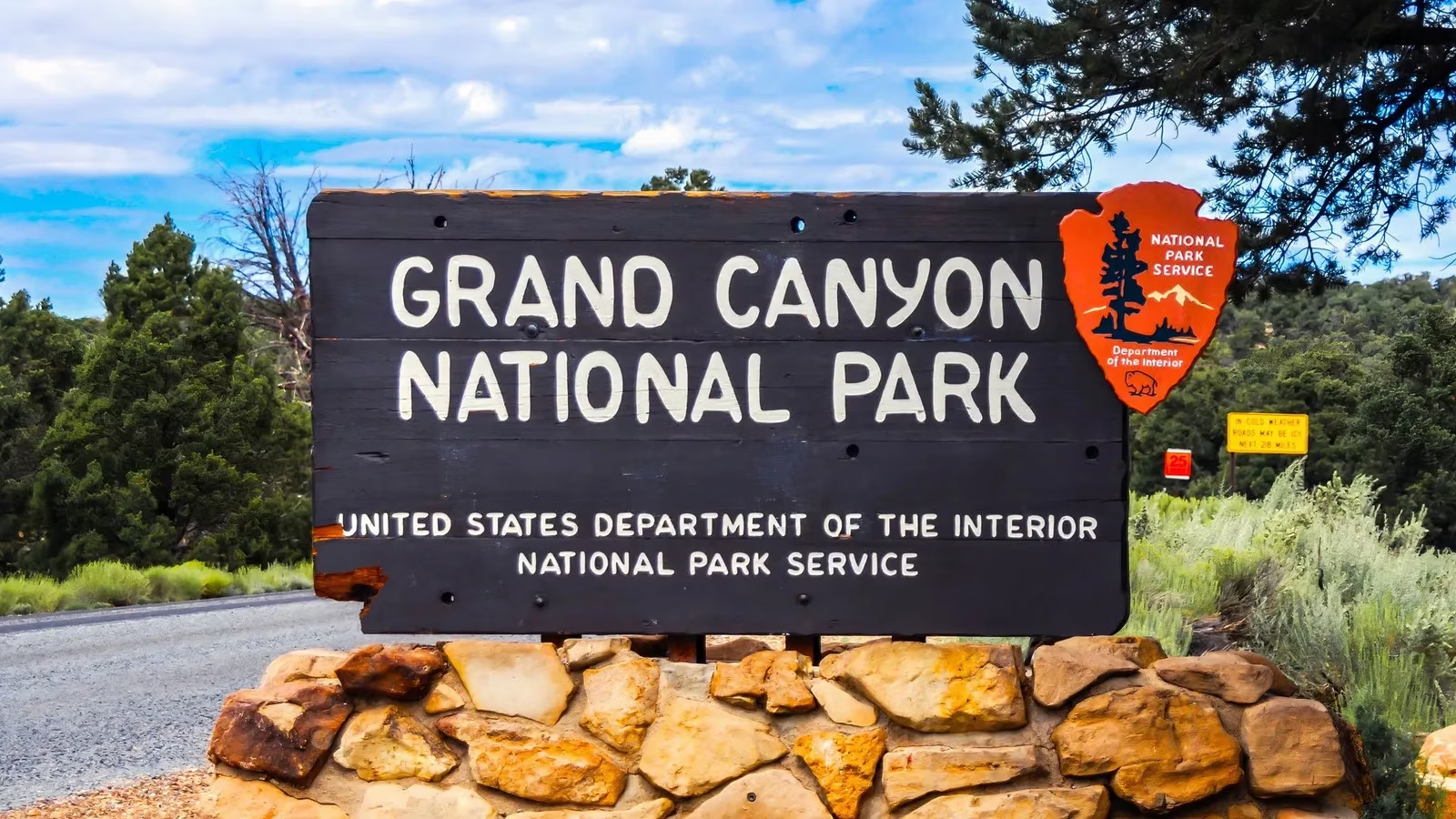
On September 7, 2025, a man named Steven 'Drew' Bradley went over the South Rim near the South Kaibab Trail. His car tumbled more than 300 feet into the canyon. Rangers recovered his body the next day, September 8. The National Park Service and the Coconino County Medical Examiner are investigating, and officials have kept many details quiet. But they didn’t mince words about one thing: such incidents are extremely rare—and safety signage exists for a reason.
Here’s the thing: the Grand Canyon doesn’t negotiate. Those dramatic drop-offs are stunning, yes, but they’re also unforgiving. Park officials used the incident to remind visitors that following posted signs and speed limits should keep drivers out of trouble. During peak season, trailhead parking and scenic roads can get congested, so pack an extra dose of patience. Trust me, a few minutes of waiting beats a rescue mission.
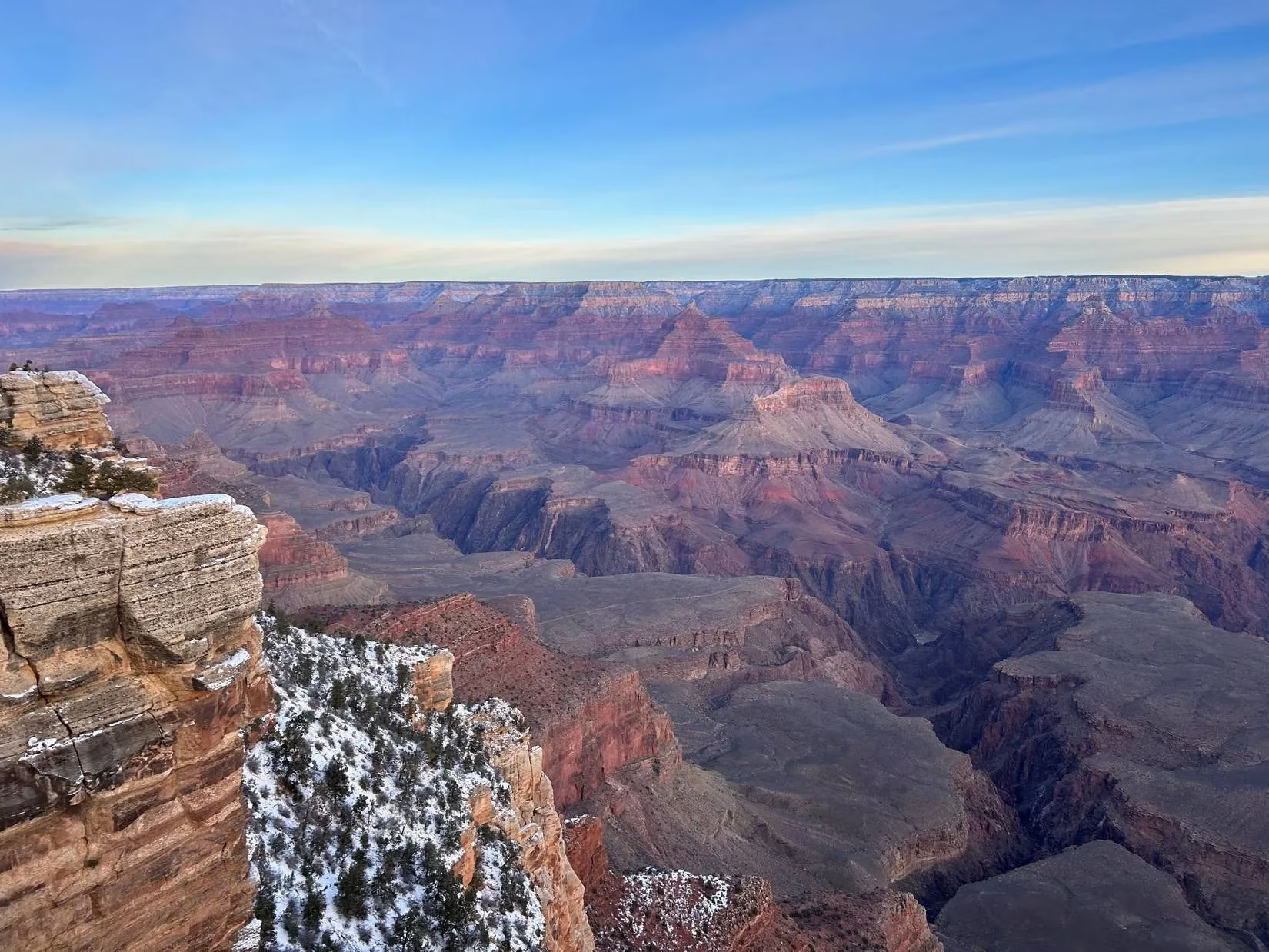
The recovery itself took nearly 24 hours, even with the car visible as a reference point. That detail stuck with me. If a vehicle recovery is that hard, imagine searching for a hiker in the canyon’s labyrinth of side canyons. In July 2025, hiker Thomas Daniel Gibbs went missing around the time the Dragon Bravo Fire was at its worst. He was reported missing on July 28 and, as of early 2026, has not been located. The search area out there doesn’t just swallow sound—it swallows time.
The park’s 2025 death toll reached four confirmed fatalities. Three were medical incidents: one in May linked to a heart condition, and two in July attributed to extreme heat. That’s a sobering reminder that the canyon’s heat can ambush even experienced hikers. The National Park Service urges everyone to have a plan, share that plan with someone who isn’t on the trip, and pay attention to closures and heat warnings. Let’s be real: a selfie isn’t worth a rescue helicopter.
2025 Grand Canyon fatalities at a glance
| Date | Incident | Key detail |
|---|---|---|
| Sept. 7 | Vehicle went over South Rim near South Kaibab Trail | Steven 'Drew' Bradley; car fell 300+ feet; body recovered Sept. 8 |
| July | Two deaths attributed to extreme heat | Medical incidents during high temperatures |
| May | One death linked to a heart condition | Medical incident |
| July 28 | Hiker Thomas Daniel Gibbs reported missing | Search ongoing as of early 2026 |
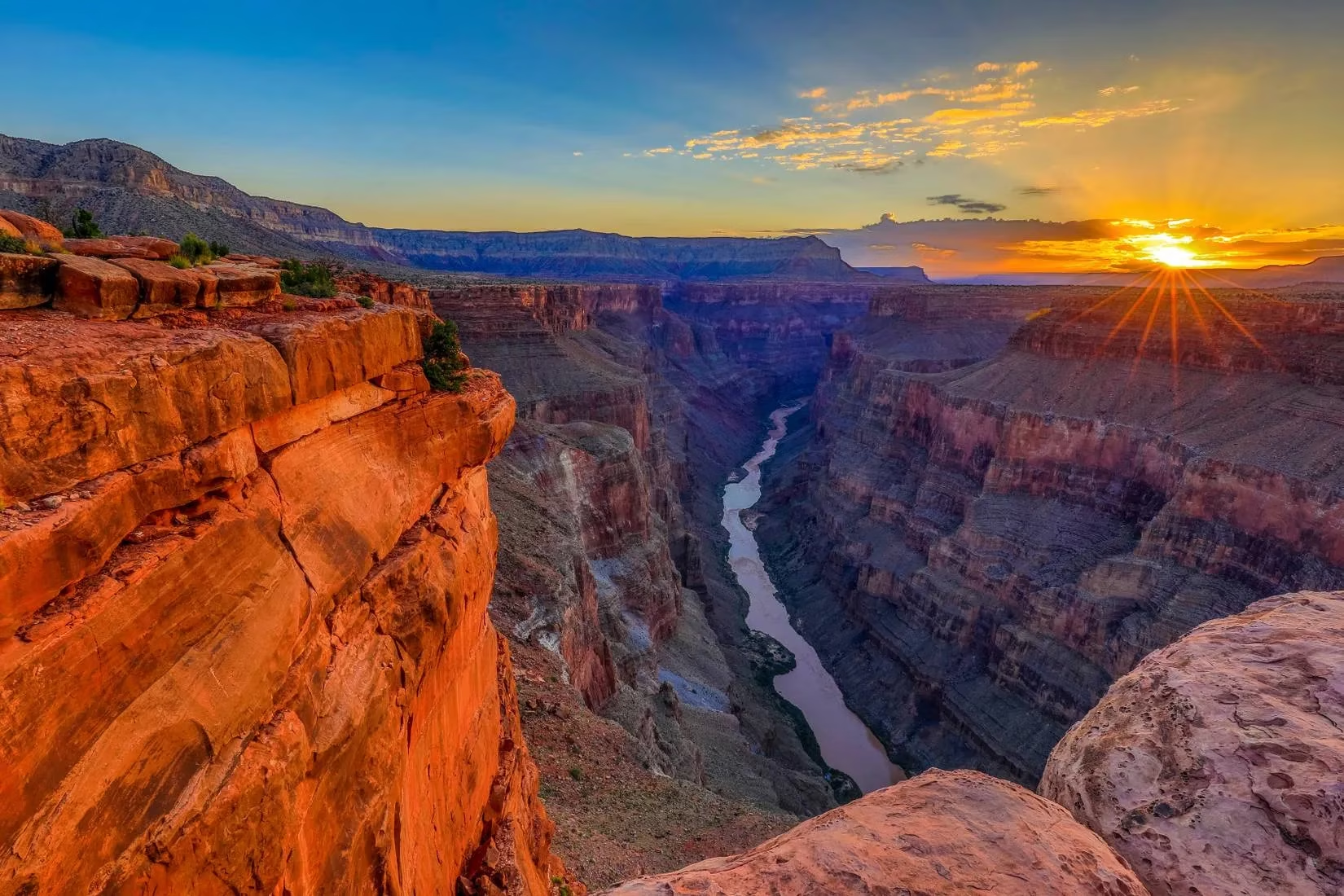
The North Rim remains closed indefinitely after the Dragon Bravo Fire destroyed most of its infrastructure, including the historic Grand Canyon Lodge and the North Rim visitor center. Trails into the canyon reopened in late August 2025, but the North Rim’s recovery is still a long road. For 2026 travelers, that means checking official park updates before you go—because the canyon’s mood can change with fire, heat, and weather.
Despite the headlines, the Grand Canyon remains one of the safer national parks to visit relative to its enormous visitor count. Millions of people come each year, and the high fatality number is skewed by that sheer volume. But safety isn’t automatic. It’s a choice you make at every overlook, every trailhead, and every curve in the road.
My 2026 safety checklist
-
Follow posted signs and speed limits—especially on scenic roads.
-
Expect congestion at trailheads and overlooks; patience is part of the trip.
-
Carry more water than you think you need, and drink before you’re thirsty.
-
Check heat warnings and closures before hiking.
-
Share your itinerary with someone outside the park.
-
Stay behind railings and away from edges for photos.
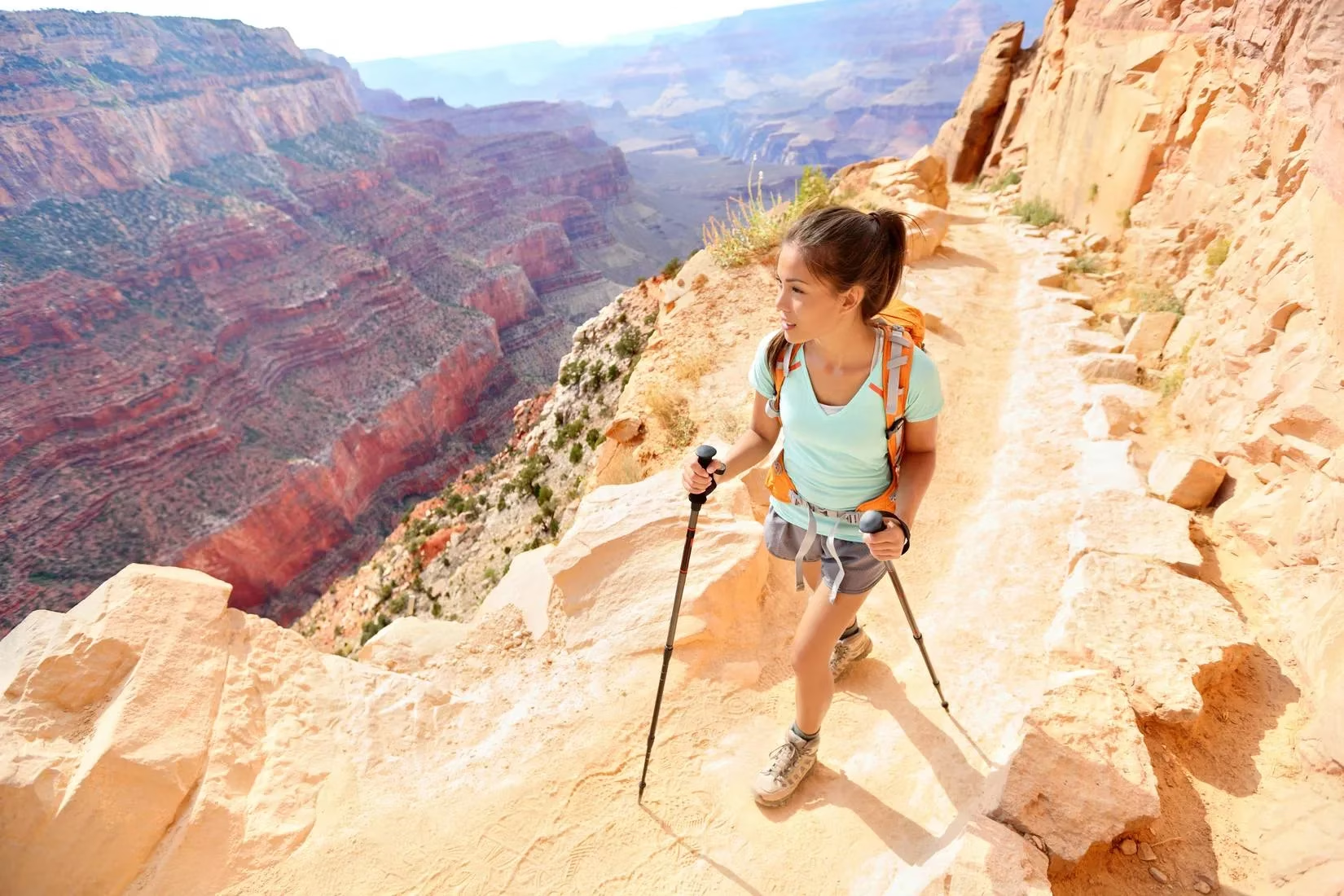
So here’s my 2026 takeaway, delivered with the same bluntness a ranger might use: stop, read the signs, respect the heat, and give the canyon the space it demands. The Grand Canyon will still take your breath away. Just make sure it’s for the right reason.
Leave a Comment
Comments