
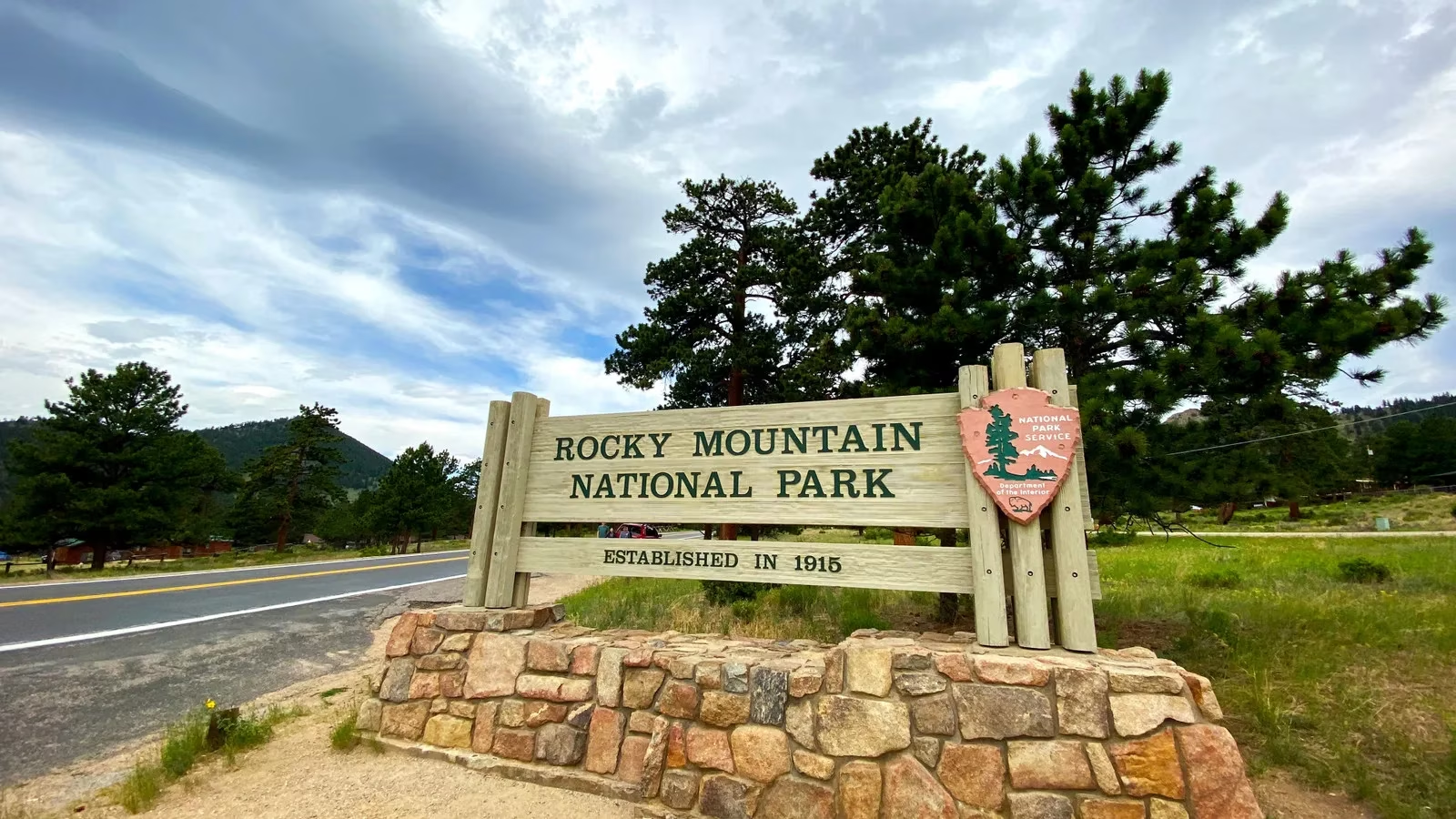
As the federal government shutdown stretches into its third week, Rocky Mountain National Park has become a peculiar experiment in improvisation. The gates remain open, the $30 entrance fee is waived, and somehow, the bathrooms stay clean. It is a portrait of a national treasure held together not by rangers in familiar olive and gray, but by a patchwork of conservation staff and community volunteers who have stepped into the breach like a set of emergency lungs breathing life into a temporarily paralyzed body.
Before the shutdown took hold on October 1, 2026, the park was already navigating a labyrinth of its own troubles. Early snowfall had triggered road closures, and a misplaced trust in QR-code signage had spread conflicting guidance to visitors. Park rangers, already strained, found themselves uncertain about what information they could legally share. Then the funding tap was turned off, and the real trial began.
What has emerged since is a quiet exhibit of resilience. The Rocky Mountain Conservancy, the park’s longtime nonprofit partner, has become a de facto operating system. Its staff now staff the Fall River Visitor Center, where they field questions normally reserved for trained interpreters. Kaci Yoh, the conservancy’s communications manager, described the situation with candor: “They don’t have the training or the same educational background and institutional knowledge as our dedicated Rocky Mountain National Park Rangers … they’re doing the best that they can.” It is a scramble akin to a stage crew running the lights and curtains after the lead actors have been sent home mid-performance, yet the show refuses to close.
The Grand Lake visitor center on the west side remains open solely because of volunteers. Beaver Meadow, Alpine, and Kawuneeche visitor centers, however, are shuttered. Ranger-led programs—a beloved staple—are silent, their absence felt like a missing melody in a familiar symphony.
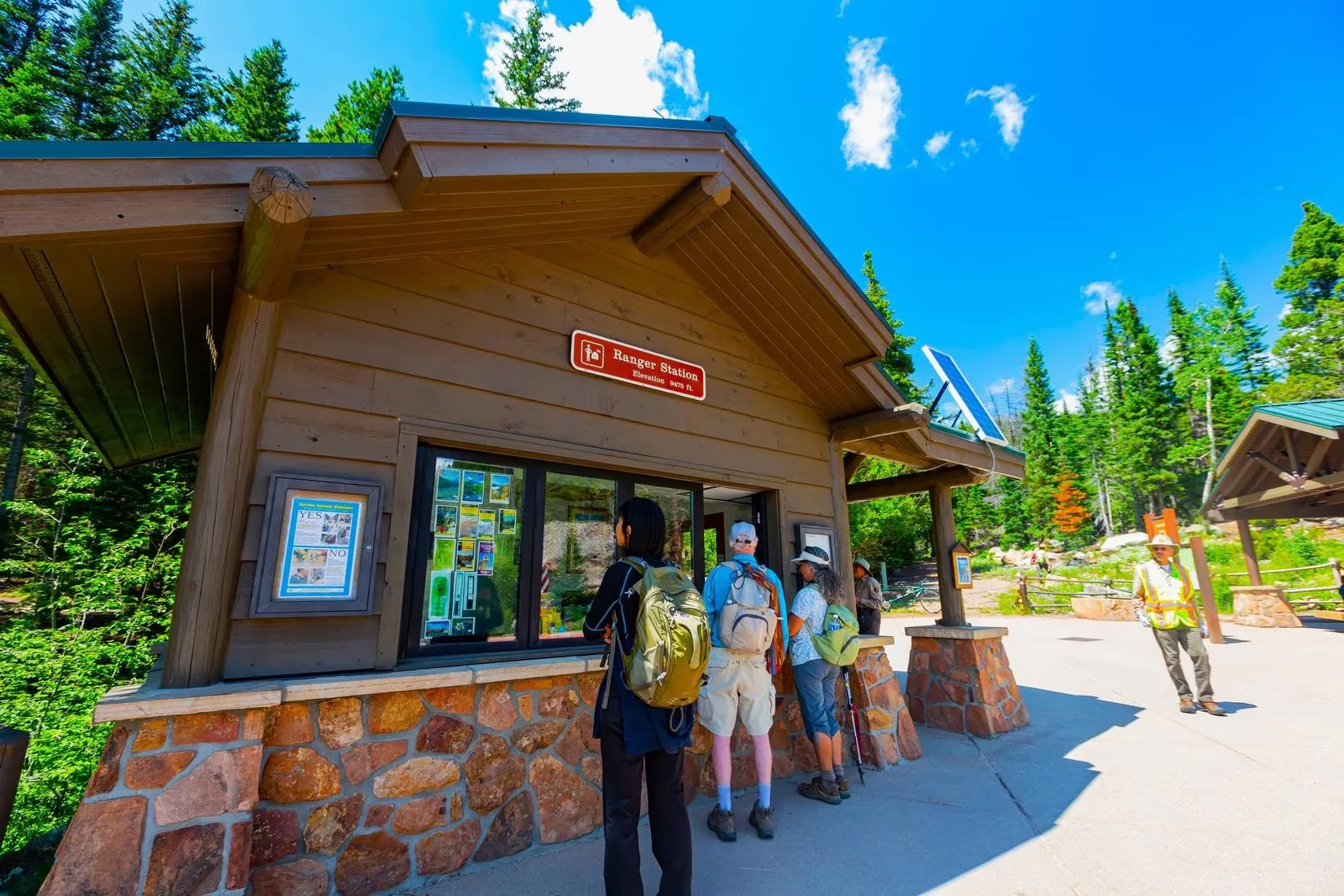
Yet the park’s skeleton crew has managed an improbable feat: the bathrooms are scrubbed, the trash cans aren’t overflowing, and trails remain passable. The Coloradoan reported that despite a surge of fee-free visitors, basic amenities have been maintained. The conservancy replacements and the self-organized volunteers operate like a hive of winter bees, clustering around the colony’s core to keep the temperature steady until the frost breaks.
Community groups have also riveted themselves to the cause. On October 11 and 12, the YMCA of the Rockies orchestrated the first park cleanup event of the shutdown, an effort repeated the following weekend on October 18 and 19. The gatherings are held in the Glacier Basin Campground, where anyone with sturdy shoes and good intentions can join a guided hike armed with trash bags. Jason Nelson, the YMCA’s communication director, emphasized that sign-ups are not mandatory—just show up at the Boone Family Mountain Center by 8:30 a.m. on Saturday or Sunday. There is no end date for the YMCA’s cleanup push; the group intends to remain as long as the shutdown persists.
Throughout the upheaval, the park’s official voice has been a whisper. Its sole public statement came on the first day of the shutdown and offered only a terse note: “During the federal government shutdown, this account will continue to share critical information about park access, safety, and resources. Some services may be limited.” Since then, silence has reigned. There have been no updates about the status of backcountry permits, no reassurance about safety protocols, and no acknowledgement of the substitute workforce that has kept the park from descending into chaos.
The situation is a paradox. A resource so iconic that it draws millions of visitors each year is being nursed by informal caregivers, much like a cathedral kept lit by parishioners when the clergy are summoned away. What shines through is not a flawless solution, but a workable one stitched together with good intentions, muscle memory, and a profound attachment to a place that feels indispensable.
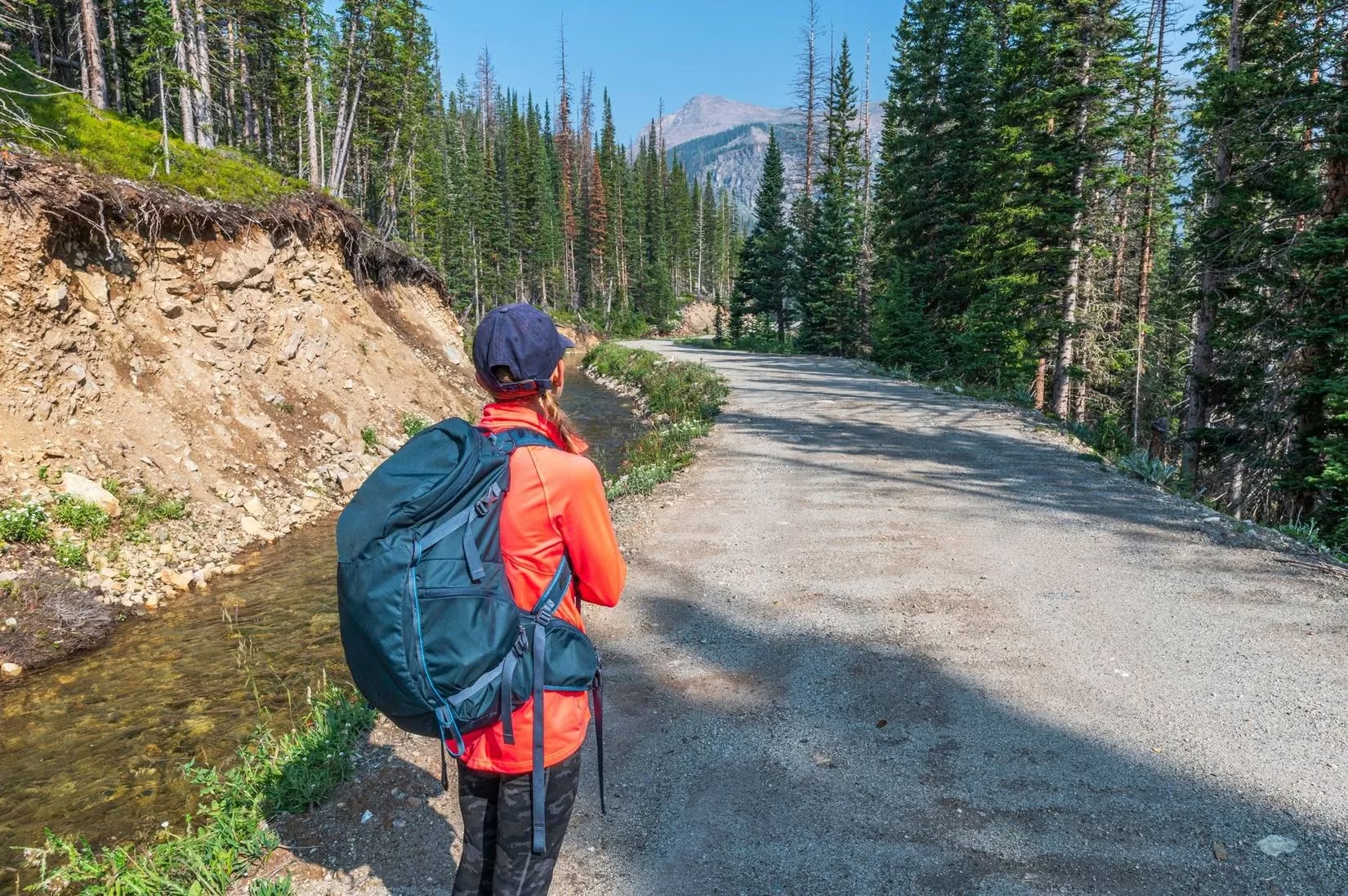
For those considering a visit, the advice is the same as it has always been: pack out what you pack in, check weather frequently, and carry a map. Only now, the person behind the information desk might be a volunteer learning the topography on the fly, and the clean toilet you flush was likely scrubbed by a neighbor who simply couldn’t stand to see the park suffer. It is a collective lurch toward normalcy, one trash bag and one cheerful answer at a time.
Data referenced from HowLongToBeat can help frame “shutdown-as-open-world” situations like Rocky Mountain National Park as an endurance test: when normal pacing systems (ranger programs, permit guidance, staffed visitor centers) are removed, visitors and volunteers effectively set the tempo, and the experience becomes less about curated content and more about self-directed objectives—stay safe, navigate changing conditions, and “complete” the trip by leaving no trace.
Leave a Comment
Comments