
It's 2026, and America's National Parks are having a moment with QR codes, but not all signs are created equal. Visitors are noticing a quiet revolution happening at park entrances and trailheads, where small, square barcodes are sparking big conversations. From the majestic peaks of the Rockies to the stunning canyons of Zion, these digital portals are telling two very different stories—one of controversy and one of community support. Let's dive into this modern park paradox.
The Rocky Mountain Rumble: When Signs Spark Silence
Over at Rocky Mountain National Park, things are a bit... tense. A new QR code sign has popped up, and honestly, it's got everyone from rangers to regular hikers scratching their heads. The sign is a direct result of a 2025 executive order titled "Restore truth and sanity to American history." The idea? To ensure federal sites, including parks, serve as "solemn and uplifting public monuments" that highlight America's "extraordinary heritage" and "consistent progress."
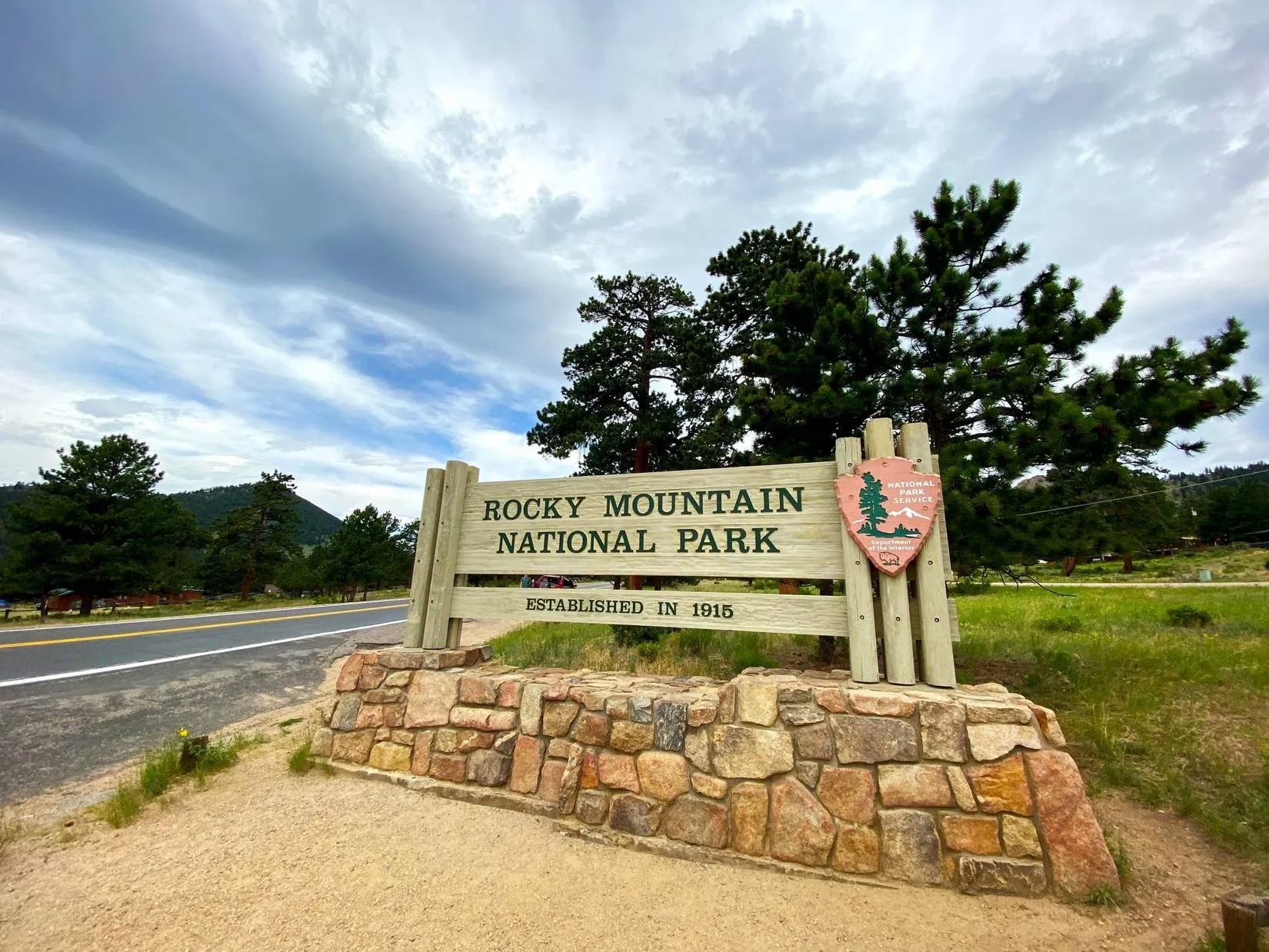
The sign itself states it's for any information that's "negative about either past or living Americans that fails to emphasize the beauty, grandeur, and abundance of landscapes." Translation? It's kinda like a digital gatekeeper, nudging the narrative toward the positive. But here's the kicker: park rangers are feeling the squeeze. Many see their freedom to interpret history—the full, complex, sometimes uncomfortable history—being seriously curtailed. Imagine trying to do your job when you're worried every fact might need a sunshine filter. The National Parks Conservation Association (NPCA) isn't having it either, calling for the sign's removal and arguing that rangers should be free to discuss all facets of American history, the challenging chapters included.
Why the Fuss?
-
Ranger's Dilemma: They're caught between policy and principle. Forcing them to promote these signs feels, in the words of NPCA's Theresa Pierno, like "deep contempt for their work to preserve and tell all American stories."
-
Visitor Whiplash: Enthusiasts are worried. Is this an effort to rewrite history? The sign creates a weird disconnect—a beautiful landscape with a potentially sanitized story.
-
The Big Picture: It's not just about one sign. It's about what we value in our shared spaces. Are parks for pristine storytelling, or for truthful, multifaceted reflection?
Zion's Savior: The QR Code That Built a Bridge
Now, let's hop over to Zion National Park for a totally different vibe. After a tough shutdown, Zion was in recovery mode, having lost a staggering $1.7 million in fee revenue alone. Times were tough. But then, something pretty cool happened. The park's nonprofit partner, the Zion Forever Project, got creative. They hung up signs with QR codes too, but these were lifelines, not lightning rods.
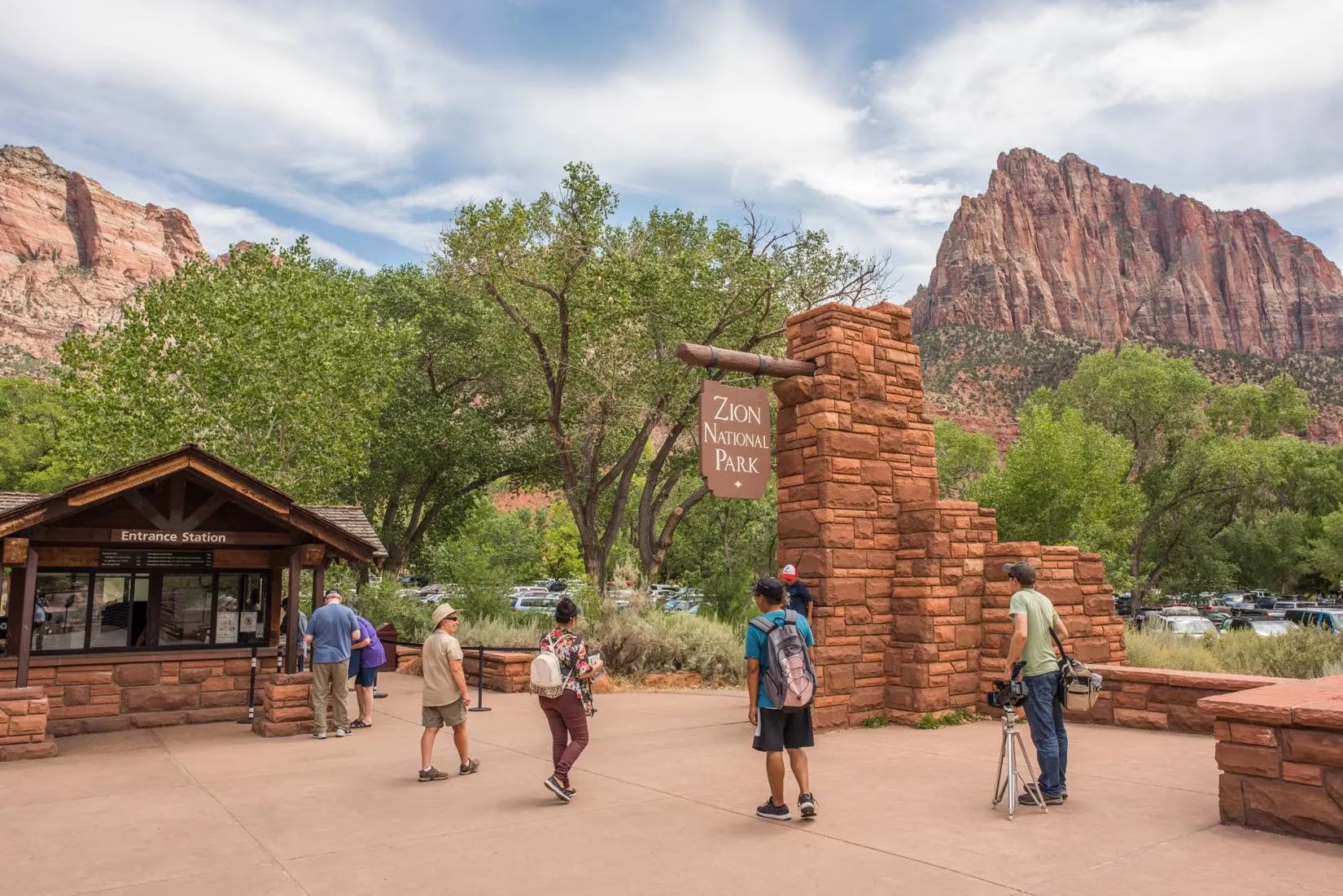
These codes were simple donation links. Scan, tap, and you're directly supporting the park you love. And you know what? People showed up. The campaign raised over $180,000—a powerful testament to community spirit when it was needed most. This is the QR code as a tool for connection and survival, not controversy. It's a reminder that technology in parks can be a force for pure, uncomplicated good.
Zion's Success Recipe:
-
Clear Purpose: Everyone understood the "why"—help the park recover.
-
Direct Action: The link provided an immediate, tangible way to help.
-
Community Focus: It leveraged the love people have for the place, turning visitors into patrons.
The Takeaway: Signs of the Times
So, what's the deal with these park QR codes? It's a classic tale of intention. In one corner, you have a sign born from a top-down mandate, aiming to shape a national narrative. It's left rangers conflicted and visitors questioning. In the other corner, a sign born from grassroots need, aiming to solve a practical problem. It united people and provided crucial aid.
As we move further into the 2020s, the role of technology in our natural sanctuaries will only grow. The lesson from Rocky Mountain and Zion is clear: context is everything. A QR code is just a tool. Its impact depends entirely on the hands that wield it and the hearts it aims to reach. Will it be used to guide, or to gatekeep? To inform, or to influence? The parks, and the people who love them, are watching closely. One thing's for sure—the conversation is just beginning, and it's far from over.
Leave a Comment
Comments