
The dust has barely settled from the 43-day government shutdown of 2025, and America's national parks are putting on a brave face. Like a stagecoach driver trying to pretend the wheels haven't just fallen off, rangers were back at Grand Canyon's entrance booths the very next day, collecting fees with a smile that didn't quite reach their eyes. The National Park Service's social media accounts, those beloved fonts of witty bear facts and safety warnings, flickered back to life in under 24 hours. But beneath this hastily reassembled facade of normalcy, the park system is navigating a landscape more treacherous than a scree slope at dusk, with financial craters and a crisis of confidence threatening its very foundation.
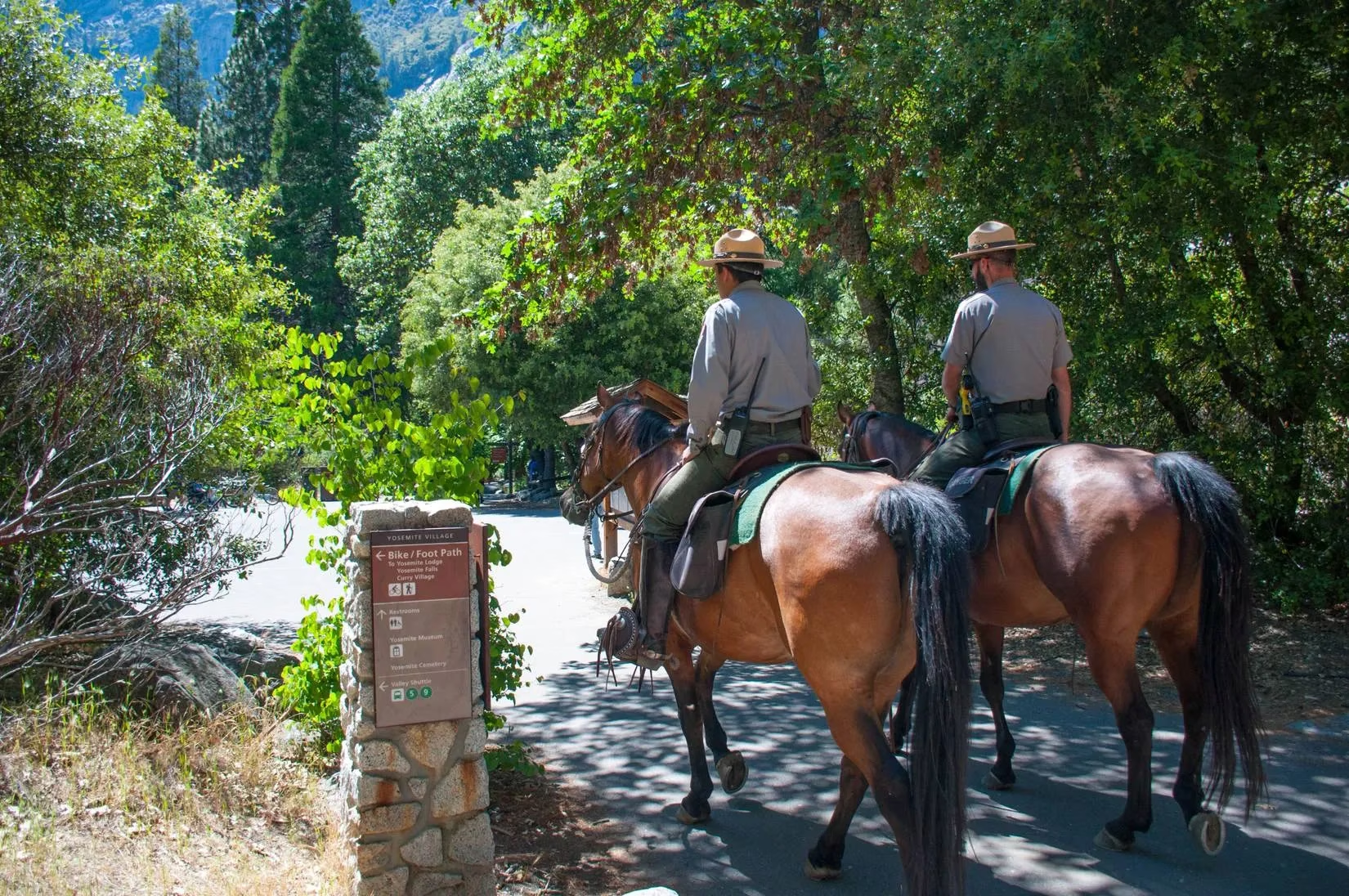
The immediate scramble to reopen was a feat of bureaucratic parkour. While the nation's air traffic system was still sputtering like a cold engine, the parks leaped into action. Visitor centers unlocked their doors, and the familiar sight of ranger hats returned. This urgency wasn't just about public service; it was a financial hemorrhage that needed a tourniquet. The system was bleeding nearly a million dollars a day in lost entrance fees and sales, culminating in a staggering $43 million shortfall. Every additional day of closure was a fiscal wound the parks could ill afford.
The Financial Quicksand: Robbing Peter to Pay Paul
Here's where the plot thickens, and not in a good, geological-strata kind of way. To keep the lights on during the shutdown, parks were forced to dip into funds collected for future projects. Think of it as a park ranger having to spend next year's grocery budget just to buy bread today. This created a domino effect of budgetary doom. At Bryce Canyon, rangers working without pay confided that fees meant to hire 2026's seasonal workforce—the lifeblood of summer operations—were instead used to cover basic costs. The result? A multi-million dollar hole in next year's budget before the year even began.
The burden didn't fall on the federal government alone. Non-profits, the unsung heroes of the park system, stepped into the breach like volunteer firefighters. The Zion Forever Project (ZFP), for instance, donated tens of thousands to keep Zion National Park and Cedar Breaks National Monument operational. Their contribution was no small change; in 2024, ZFP funneled $3.3 million into projects ranging from trail improvements to Zion's electric shuttle system. Now, a "significant chunk" of that future-focused philanthropy has been spent on emergency operational life support. It's as if the park's trust fund for college was raided to pay the overdue electric bill.

The Human Toll: Rangers with Their Backs Against the Canyon Wall
If the money problem is a broken axle, the staff crisis is the horse that's bolted. The shutdown wasn't just an accounting error; it was a profound betrayal for the rangers who kept the parks running. Imagine being asked to guard a priceless museum collection for six weeks without a paycheck, right before the holidays. The emotional strain has been immense. As Zion Forever Project poignantly noted, "The uncertainty and fatigue are very real."
This erosion of trust has tangible consequences. Even before the shutdown, the National Park Service was shedding staff like an autumn aspen. A staggering 12.5% voluntarily left in 2025. The shutdown likely pushed many more to the exit, following the exodus seen in the air traffic control industry. Former Big Bend Superintendent Bob Krumenaker warned of "unprecedented attack on the staffing" and mission, damage that "will take a very, very long time to recover from."
The fallout is a perfect storm for 2026:
-
Fire Season Fear: Yosemite is entering the 2026 fire season with one hand tied behind its back. Crucial fall mitigation work was interrupted, and with staff already down 24%, there are fewer eyes to catch a spark before it becomes a inferno.
-
The Seasonal Staff Shortage: With funds repurposed, hiring the usual cadre of seasonal rangers, educators, and maintenance workers will be like trying to fill a swimming pool with a leaky bucket.
-
A Talent Repellent: What promising young conservationist wants a career where their livelihood can be yanked away as a political bargaining chip? The shutdown acts as a powerful deterrent to the next generation of stewards.
A Call to Action: Visitors as the Cavalry
Despite it all, the national parks remain one of America's few universally beloved institutions, with 75% public favorability. This public goodwill is now the system's most vital resource. Former NPS Director Jonathon Jarvis has issued a rallying cry: visitors must become advocates. He urges people to volunteer for cleanup efforts and, more pointedly, to "raise hell" in opposition to budget and personnel cuts.
Here’s what supporters can do, according to insiders:
| Action | Impact |
|---|---|
| Voice Support to Congress | Demonstrate the strong bipartisan backing for full park funding. |
| Volunteer Time | Help offset staffing shortfalls in maintenance and visitor services. |
| Donate to Official Park Non-Profits | Provide direct, flexible funding for critical projects. |
| Visit Responsibly | Generate crucial fee revenue and remind politicians of the parks' value. |
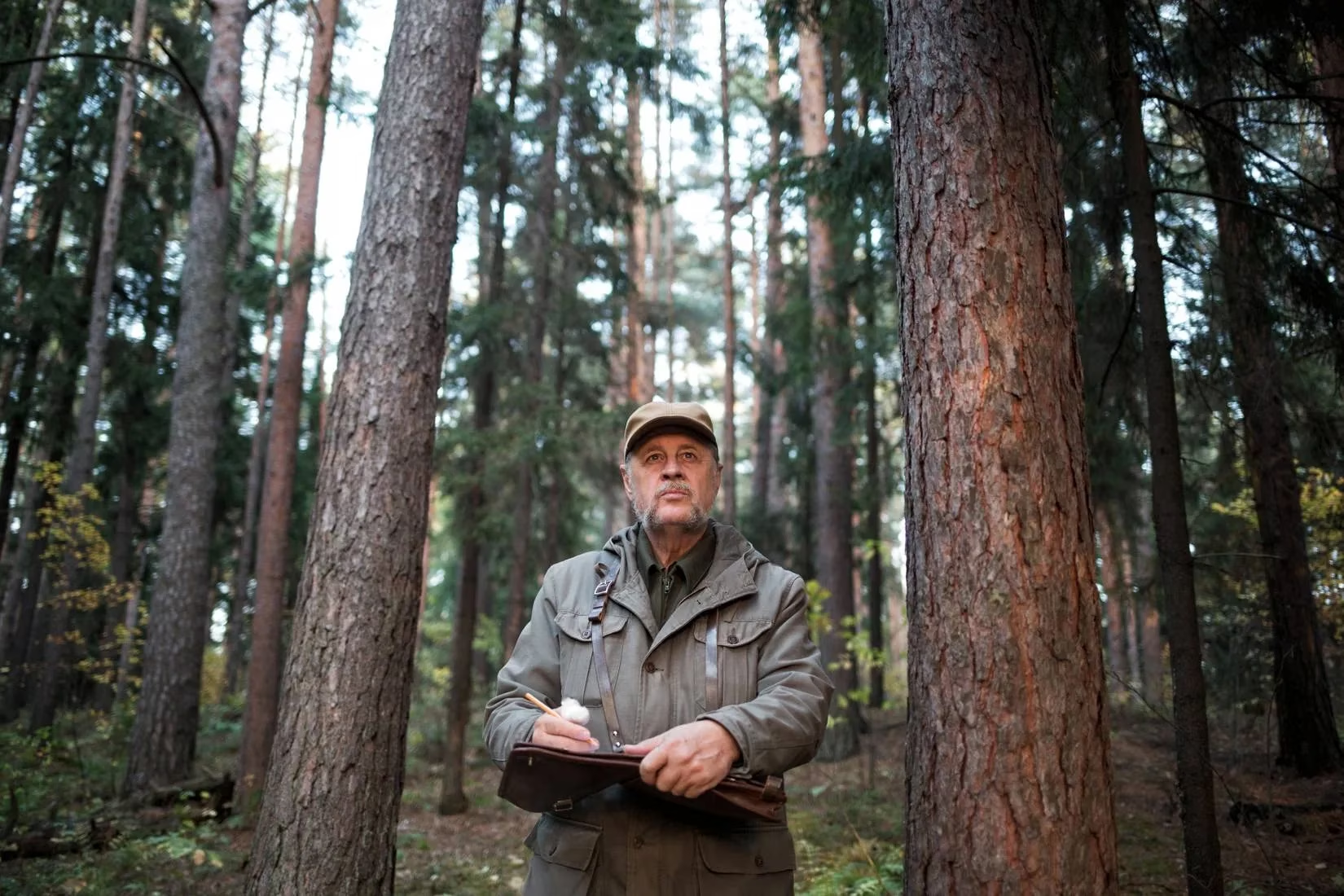
The path forward for America's national parks is less like a paved scenic overlook and more like an unmarked backcountry trail. The financial wounds from 2025 will scar the 2026 season, potentially leading to reduced hours, fewer programs, and more worn-down facilities. But the greater threat is the quiet exodus of the people who give these places their soul—the rangers. Saving the parks isn't just about balancing books; it's about restoring faith. It requires a national commitment to stop treating these crown jewels as a political contingency fund and start valuing them as the non-negotiable bedrock of the American experience. The shutdown may be over, but for the parks, the real climb back to stability has just begun.
Leave a Comment
Comments