
The year 2025 presented unprecedented challenges for the National Park Service, a reality that has only intensified as we move into 2026. Facing successive rounds of layoffs initiated by the previous administration, steep budgetary reductions, and the disruptive 43-day government shutdown, many iconic parks were left scrambling to maintain basic operations and protect their dedicated workforce. In this climate of profound instability, a powerful movement has emerged from within, with employees at some of the nation's most beloved natural treasures deciding they can no longer wait for external salvation. This movement is now reaching a pivotal moment, as staff across multiple parks prepare to take a historic, collective stand for their rights and the future of public lands stewardship.
🌄 The Grand Canyon Leads the Charge
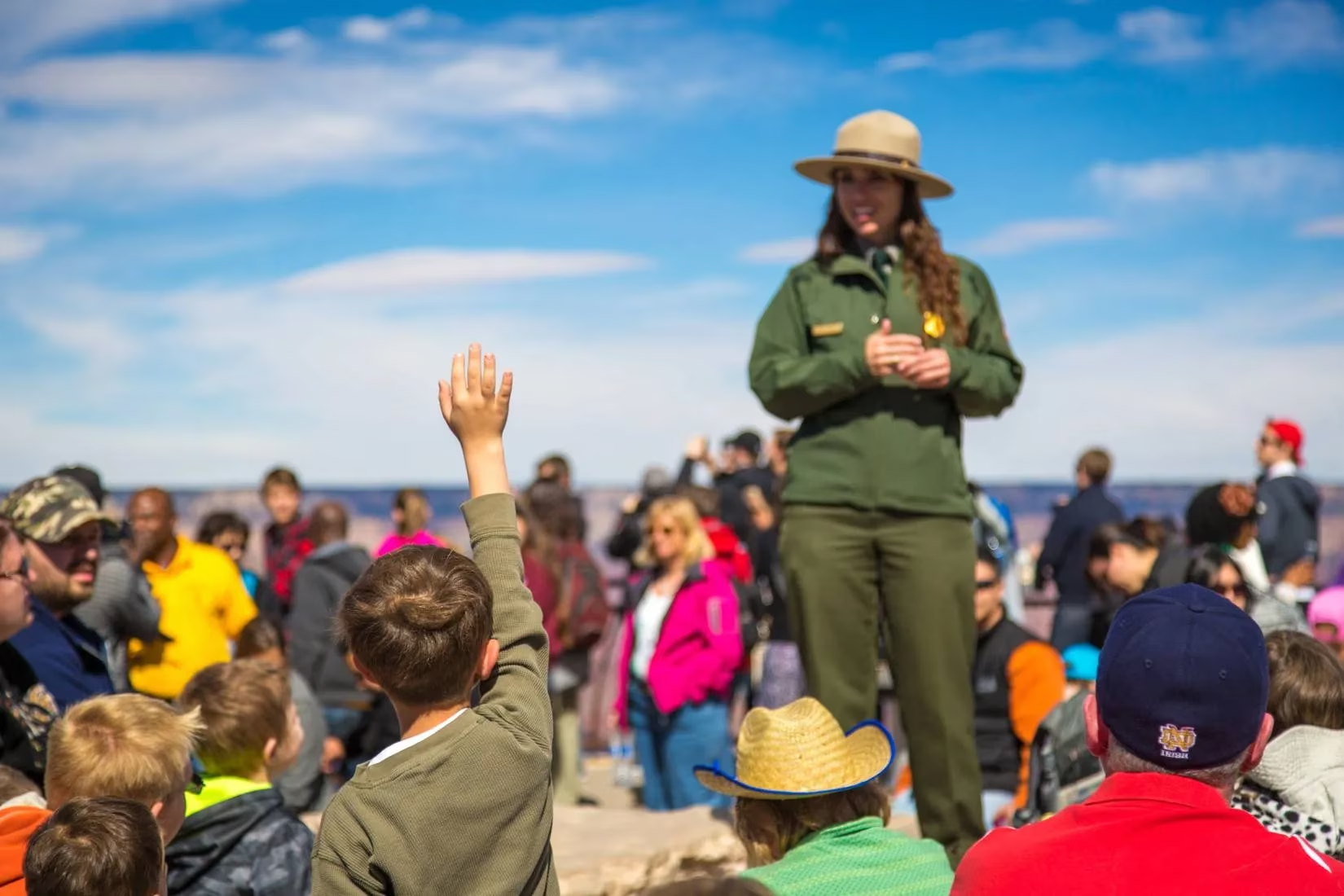
At the forefront of this burgeoning movement are the approximately 500 employees of Grand Canyon National Park. On a recent Monday, they took the decisive step of filing official paperwork to unionize with the Federal Labor Relations Board, a move organizers say has garnered support from close to half the park's staff. This isn't a decision born from fleeting discontent, but from a deep-seated need for security among those who have dedicated their careers to conservation. Michele Vaught, a key organizer, encapsulated the sentiment driving the effort, stating that while passion for the Park Service runs deep, workers also need to "afford healthcare and afford our groceries." The campaign gained serious momentum earlier in 2025 following the previous administration's attempts to dismiss thousands of probationary federal workers, a move that sent shockwaves through the ranks and highlighted the precarious nature of their employment.
⚖️ The Spark: Looming Job Cuts and Agency Uncertainty
The drive for unionization is a direct response to tangible threats. A recent court filing revealed that the U.S. Department of the Interior has concrete plans to eliminate over 2,000 federal positions, with hundreds of those cuts slated for the National Park Service itself. While agency officials, like Chief Human Capital Officer Rachel Borra, have insisted these reductions were planned well before the 2025 funding lapse and were "in no way motivated" by the shutdown, the disclosure did little to assuage employee fears. If implemented, these reductions would have a devastating impact, affecting:
-
More than 470 Bureau of Land Management employees
-
Over 140 staff at the Fish and Wildlife Service
-
Approximately 270 National Park Service workers
Thankfully, Senior Judge Susan Illston intervened to halt the filing's progress. However, the mere existence of such plans has created an atmosphere of chronic anxiety. As Grand Canyon employee Shanoa Totherow poignantly noted, "Nobody is coming to save us, so we need to do something for ourselves."

🤝 A Nationwide Movement, Not an Isolated Incident
The action at the Grand Canyon is far from an isolated case. It is part of a synchronized, nationwide wave of organizing within the NPS. In a remarkable show of solidarity, employees at several other major park units are filing their own union petitions concurrently. This coalition includes:
-
Glacier National Park 🏔️
-
Rocky Mountain National Park ⛰️
-
Grand Teton National Park 🦌
-
Glen Canyon National Recreation Area 🚤
-
The NPS Denver Regional Office 🏢
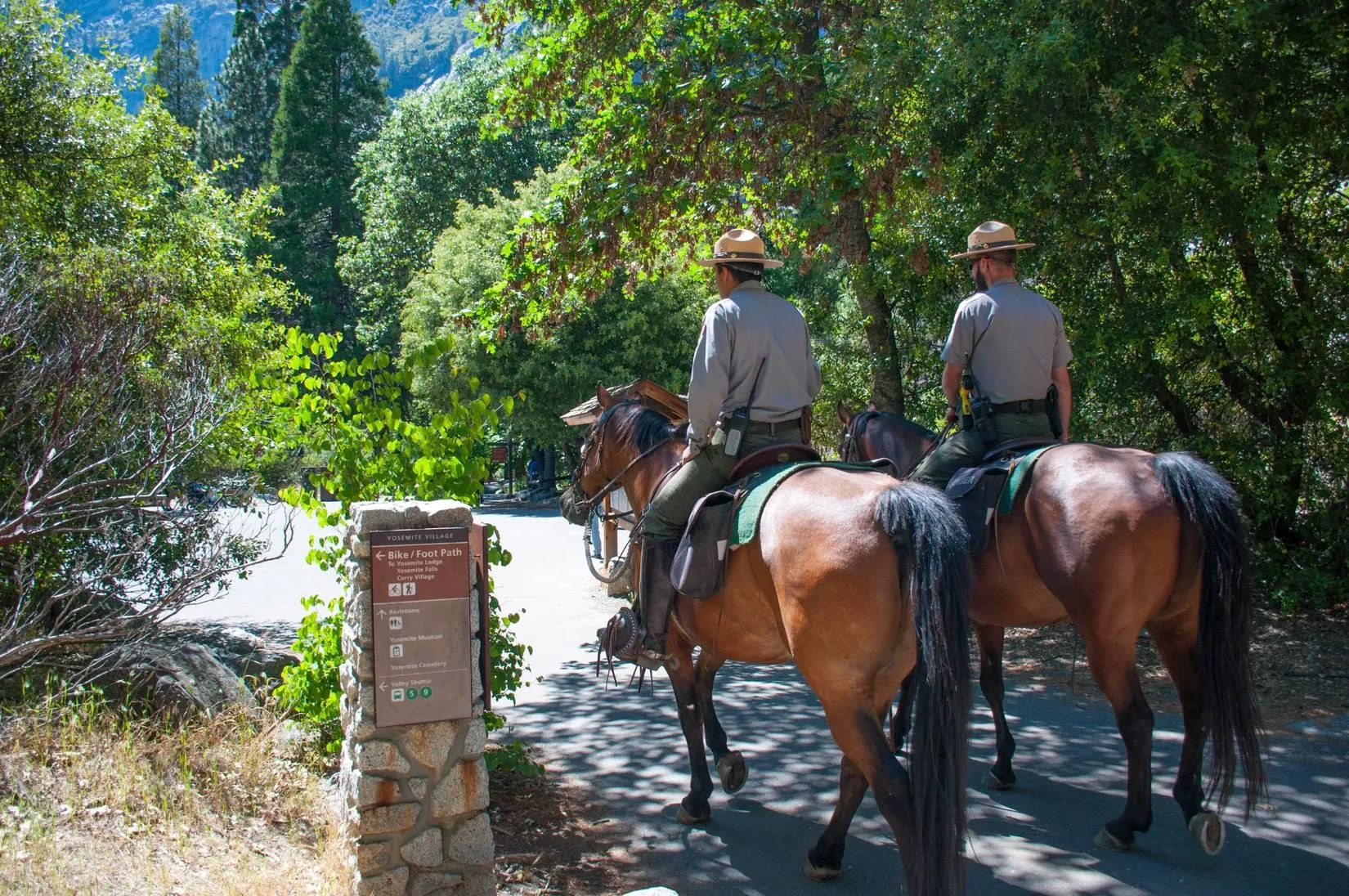
This wave builds upon significant union victories secured earlier in 2025. Over the summer, workers at Yosemite and Sequoia–Kings Canyon National Parks successfully secured union representation with nearly unanimous support, bringing 600 new members into the fold. This diverse coalition now includes park rangers, educators, researchers, wildland firefighters, first responders, and fee collectors—essentially, the entire backbone of park operations.
📢 A Call for Stability, Transparency, and a Voice
The collective message from these public servants is clear and resonant. They are advocating for more than just job security; they are demanding greater stability in agency management, enhanced transparency in decision-making, and a meaningful seat at the table as the Park Service navigates an increasingly uncertain future. Randy Erwin, National President of the National Federation of Federal Employees (NFFE), contextualized the movement, stating, "It comes as no surprise workers in the National Park Service are overwhelmingly in favor of unionizing, as federal employees across the country have been faced with reductions in force, threats to workplace protections, and slashed agency budgets under this administration."
🔮 The Path Forward: A Major Shift for the NPS
As we look ahead in 2026, the implications of this organizing wave are profound. The very fabric of the National Park Service is on the cusp of a major transformation. The movement signifies a fundamental shift from passive endurance to active, collective advocacy. The employees who protect America's natural and cultural heritage are asserting their right to have a say in the policies that affect their lives and their ability to do their jobs effectively. Their fight is not just for better wages or benefits—though those are critical—but for the long-term health of the parks themselves. A stable, supported, and respected workforce is essential for the conservation, education, and visitor services that millions of Americans rely on each year. The unionization drive represents a pivotal chapter in the history of the NPS, one where the guardians of America's most sacred landscapes are ensuring their own futures so they can continue safeguarding these treasures for generations to come. The landscape of labor within America's best idea is changing, and the view has never been clearer.
Leave a Comment
Comments