
National Park Fee Changes in 2026: Why Free July 4th Weekend Could Cost $20 Million
Hey guys! As a huge national parks enthusiast who's been following park policy changes for years, I gotta say the latest DOI announcement has me seriously concerned about the future of our beloved parks. 🤔 The recent changes to the National Park System fee structure for 2026 are creating some major financial headaches that could impact park maintenance and services for years to come.
The America First Initiative: What's Changing?
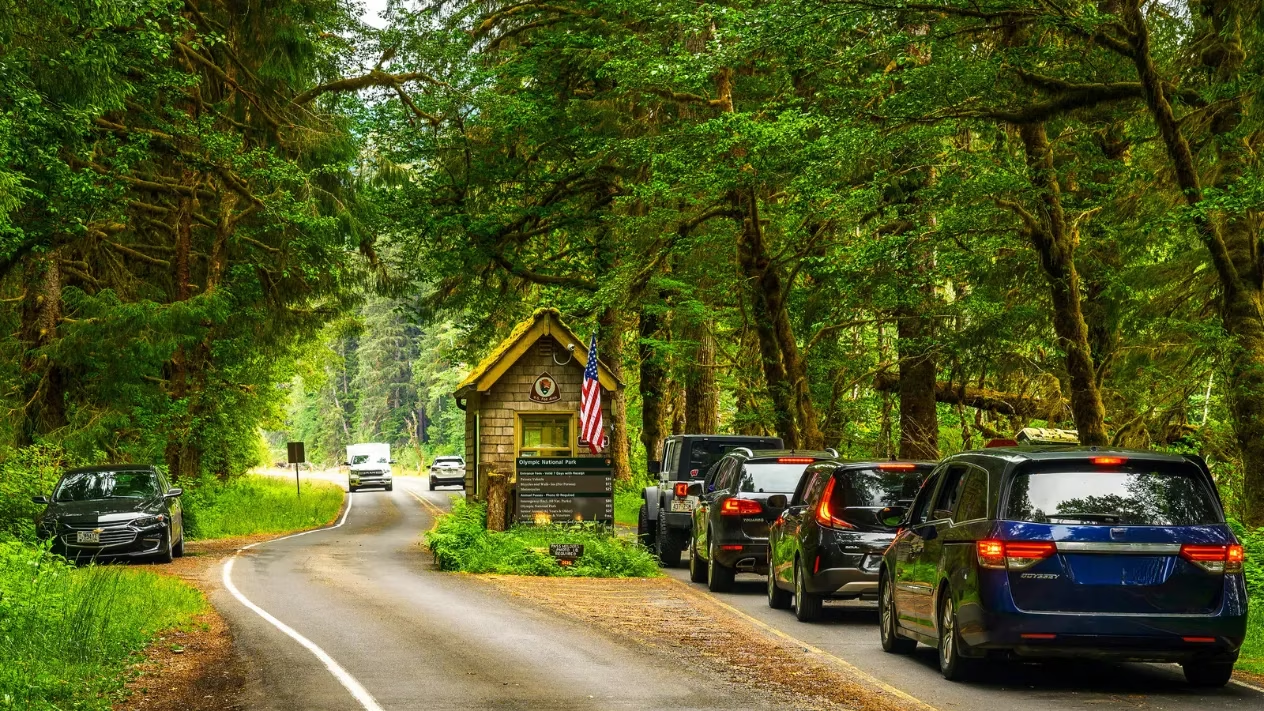
The Department of Interior dropped some bombshell news on November 25 about major changes coming to national park fees and policies. While U.S. citizens will keep their current fee structure, international visitors are facing new charges. But the real headline-grabber is the complete overhaul of fee-free days under the "America First" initiative.
Here's the breakdown of the new 2026 fee-free calendar:
-
🗓️ February 16 (Presidents' Day/Washington's Birthday)
-
️ May 25 (Memorial Day)
-
️ June 14 (Flag Day/President Trump's birthday)
-
️ July 3–5 (Independence Day weekend - ALL THREE DAYS!)
-
🗓️ August 25 (110th Birthday of the National Park Service)
-
️ September 17 (Constitution Day)
-
️ October 27 (Theodore Roosevelt's birthday)
-
️ November 11 (Veterans Day)
This replaces the traditional six fee-free days we had in 2025, which included MLK Jr. Day, National Park Week, Juneteenth, and other meaningful dates.
The Financial Time Bomb: July 4th Weekend
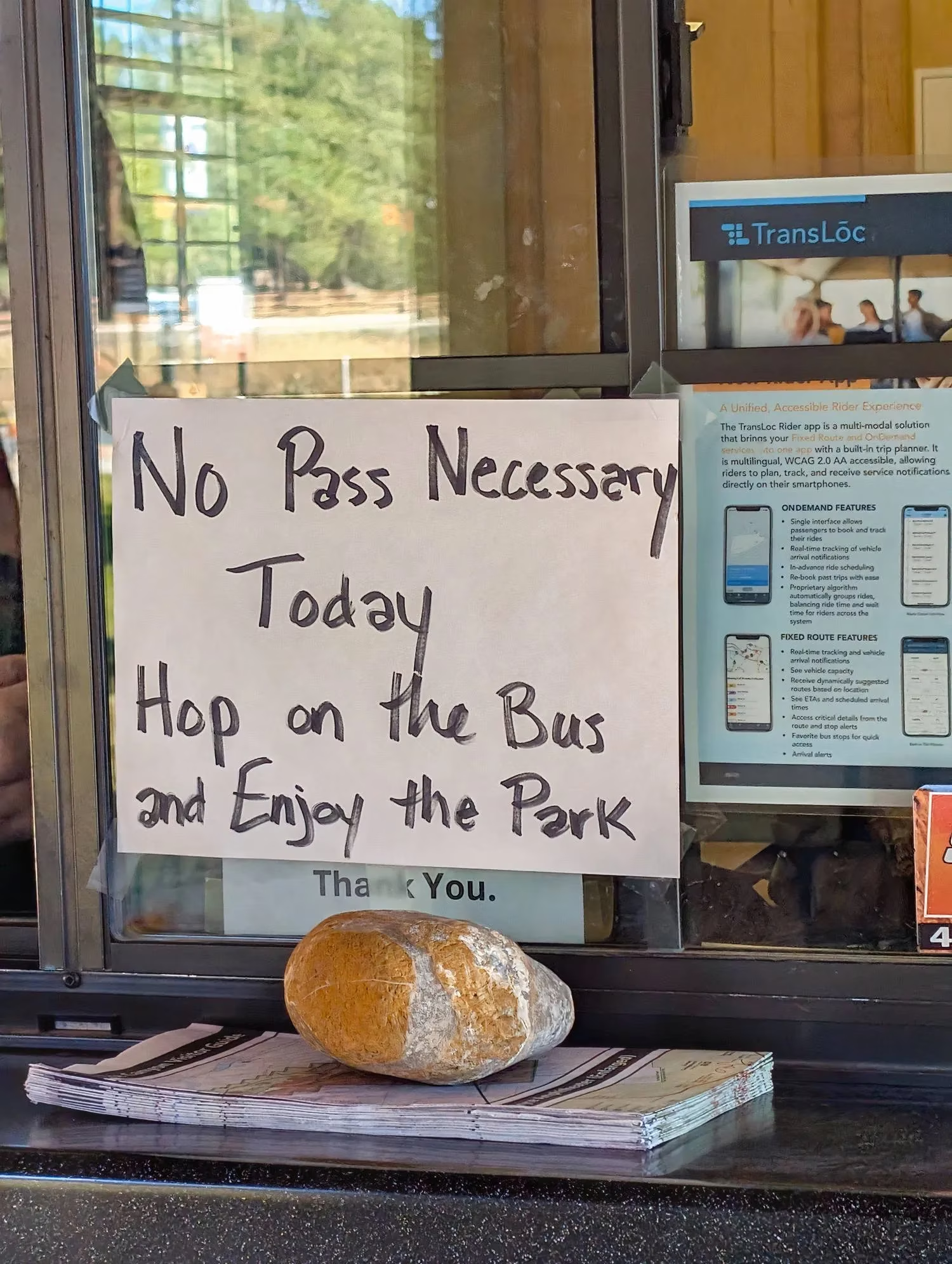
Now, here's where things get really concerning. Making Independence Day weekend completely free is like setting off a financial bomb in the middle of peak season! 💣 The Fourth of July weekend is traditionally one of the MOST profitable periods for national parks, and removing fees for all three days could cost the NPS approximately $20 million in lost revenue.
Let me break down why this is such a big deal:
Zion National Park: A Case Study
Zion, the second-most-visited national park in the U.S., gives us a perfect example of what's at stake:
-
📊 July 2025 visitors: 529,798 people
-
🎯 2019 Independence Day weekend: Over 94,000 visitors JUST during the holiday weekend
-
💰 Entrance fee: $35 per vehicle
-
💸 Potential lost revenue: Up to $1.6 million for ONE park in ONE weekend
The Crowd Management Nightmare
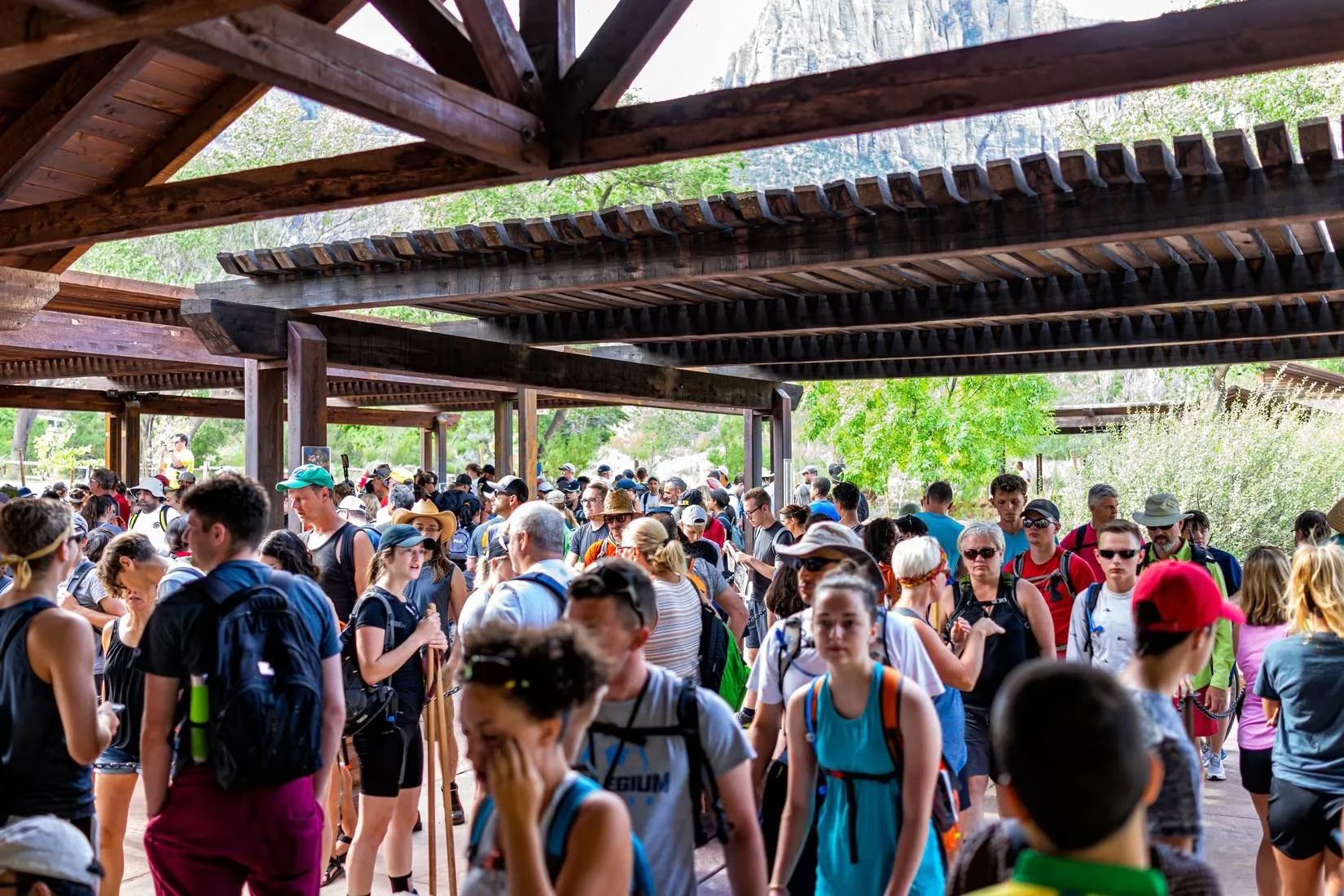
Remember those insane Zion crowds from 2019? The park's Instagram post described the chaos:
-
All parking (including overflow) filled by 8:30 AM
-
90-minute shuttle wait times
-
🥾 4-hour wait for Angels Landing trailhead
-
154,000 shuttle boardings over the weekend
Now imagine that same level of crowding, but with ZERO entrance fees being collected! The infrastructure strain alone could be devastating.
The Budgetary Perfect Storm
What makes this situation even worse is that national parks are already entering 2026 in a precarious financial position. During the recent government shutdown, many parks had to dip into their 2026 budgets just to keep operating, using up 2025 revenue to stay afloat.
The math is simple but scary:
| Factor | Impact |
|---|---|
| Peak season timing | Maximum potential revenue loss |
| Three consecutive free days | Triple the financial hit |
| Pre-existing budget issues | Reduced operational capacity |
| Increased visitation | More strain on facilities |
What This Means for Park Visitors
As someone who loves exploring our national treasures, I'm worried about what this could mean for the visitor experience:
-
🚮 Potential reduction in maintenance and cleaning
-
🔧 Deferred repairs and infrastructure updates
-
👨🔧 Possible staff reductions or hour cuts
-
📉 Decline in visitor services and programs
The Bottom Line
While free entry sounds great on the surface, the timing and duration of this particular fee-free period could create a perfect storm of financial and operational challenges. The $20 million price tag isn't just a number - it represents real resources that won't be available for trail maintenance, visitor services, conservation efforts, and park improvements.
As we look toward 2026, I can't help but wonder if there might have been better ways to implement the America First initiative without jeopardizing the financial stability of our national park system. What do you guys think about these changes? Drop your thoughts in the comments below! 👇
Remember, supporting our parks means understanding how policy changes affect their long-term health. Let's keep the conversation going about how to best preserve these incredible places for future generations! 🌲🇺🇸
Leave a Comment
Comments