
As I stood at the entrance to Glacier National Park in the summer of 2026, my trusty 'America the Beautiful' pass felt different in my hand. It wasn't just a piece of plastic anymore; it was a ticket to a new era for the U.S. National Park System. The changes announced by the Department of the Interior weren't just headlines anymore—they were my reality. For decades, these parks have been a sanctuary, but now, the rules of engagement have shifted dramatically, especially for our friends from across the borders. Talk about a plot twist!
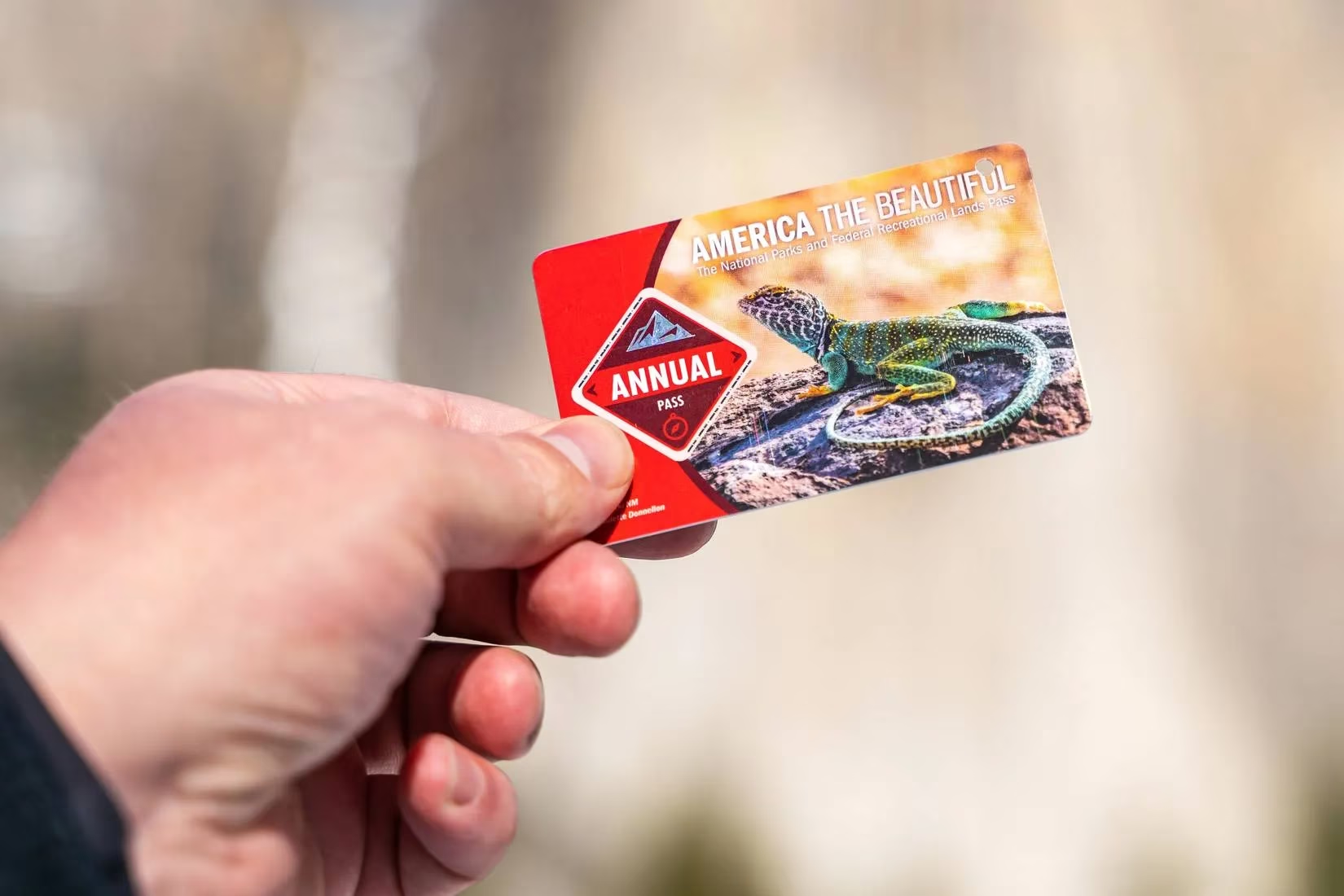
The heart of the matter is, frankly, the Benjamins. The new fee structure is no joke. As a U.S. resident, I still pay the standard $80 for my annual pass. But for international visitors? Hold onto your hats! That same 'America the Beautiful' pass will set them back a cool $250. And that's just the beginning. The real kicker is the new per-person entrance fee for the crown jewels of the system. International guests heading to the 11 most visited parks will be hit with an extra $100 fee on top of the standard park entrance cost. Ouch! That's a triple whammy compared to the old prices. For a family visiting from, say, Canada or the UK, the math gets scary fast.
So, which parks made this infamous 'Top 11' list? While the official release played it coy, everyone and their mother knows it's based on the latest visitation data. Based on the 2024 stats, the list is basically the who's who of American natural wonders:
-
Great Smoky Mountains National Park (TN/NC) - The big question here is about the entrance fee, as it's traditionally been free!
-
Zion National Park (UT)
-
Grand Canyon National Park (AZ)
-
Yellowstone National Park (WY/MT/ID)
-
Rocky Mountain National Park (CO)
-
Yosemite National Park (CA)
-
Acadia National Park (ME)
-
Olympic National Park (WA)
-
Grand Teton National Park (WY)
-
Glacier National Park (MT)
-
Joshua Tree National Park (CA)
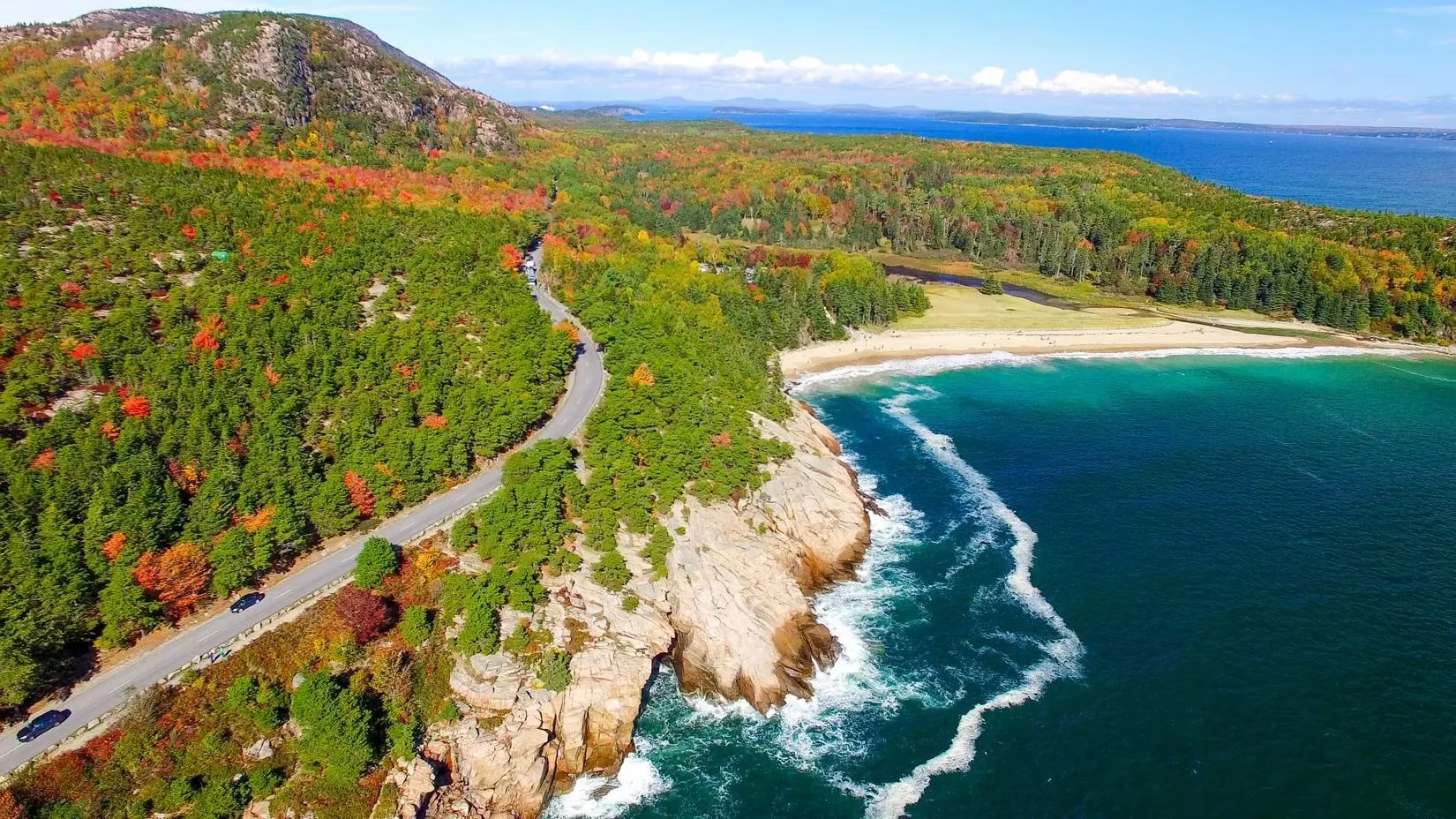
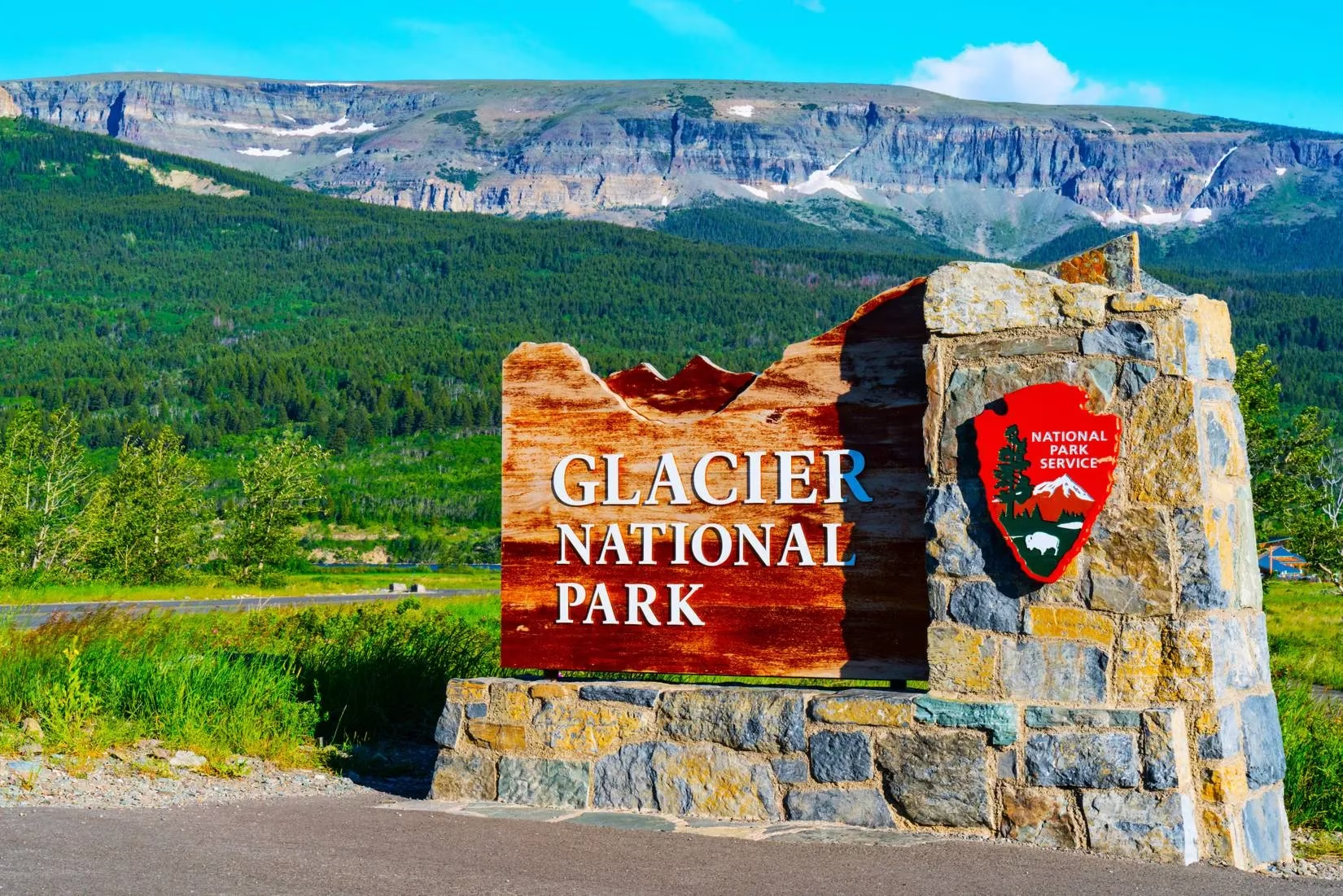
Now, let's talk about our neighbors to the north. Man, this policy has caused quite a stir up in Canada. With existing travel tensions, this feels like adding fuel to the fire. Three parks on the list—Glacier, Acadia, and Olympic—are practically right on the U.S.-Canadian border. Glacier is especially symbolic; it literally protects part of the border itself. I remember reading that pre-2026, about 12.5% of Glacier's visitors were Canadian. That's nearly 400,000 people a year! Now, imagine a family from Vancouver planning their summer trip. A visit to Glacier could mean shelling out hundreds more dollars just to cross that invisible line. It's enough to make anyone say, 'Forget it, eh?' and head to Banff instead.
The reaction back home in the States has been... mixed, to say the least. Scrolling through social media, I saw plenty of folks cheering it on. The sentiment was, 'Hey, other countries charge us more, so it's about time we returned the favor!' It's a classic tit-for-tat situation. But then there's the other side of the coin. Some people are worried sick that this will further isolate the U.S. when international tourism is already on a downslide. The criticism is sharp: a $100 per-person surcharge makes our national treasures feel less like public lands and more like exclusive theme parks. One Facebook comment I read really stuck with me: a family of four from abroad visiting Yosemite would face a $35 entry fee plus $400 in surcharges—$435 total just to get in the gate! That's straight-up Disneyland pricing for a connection with nature. Is that really the vibe we want?
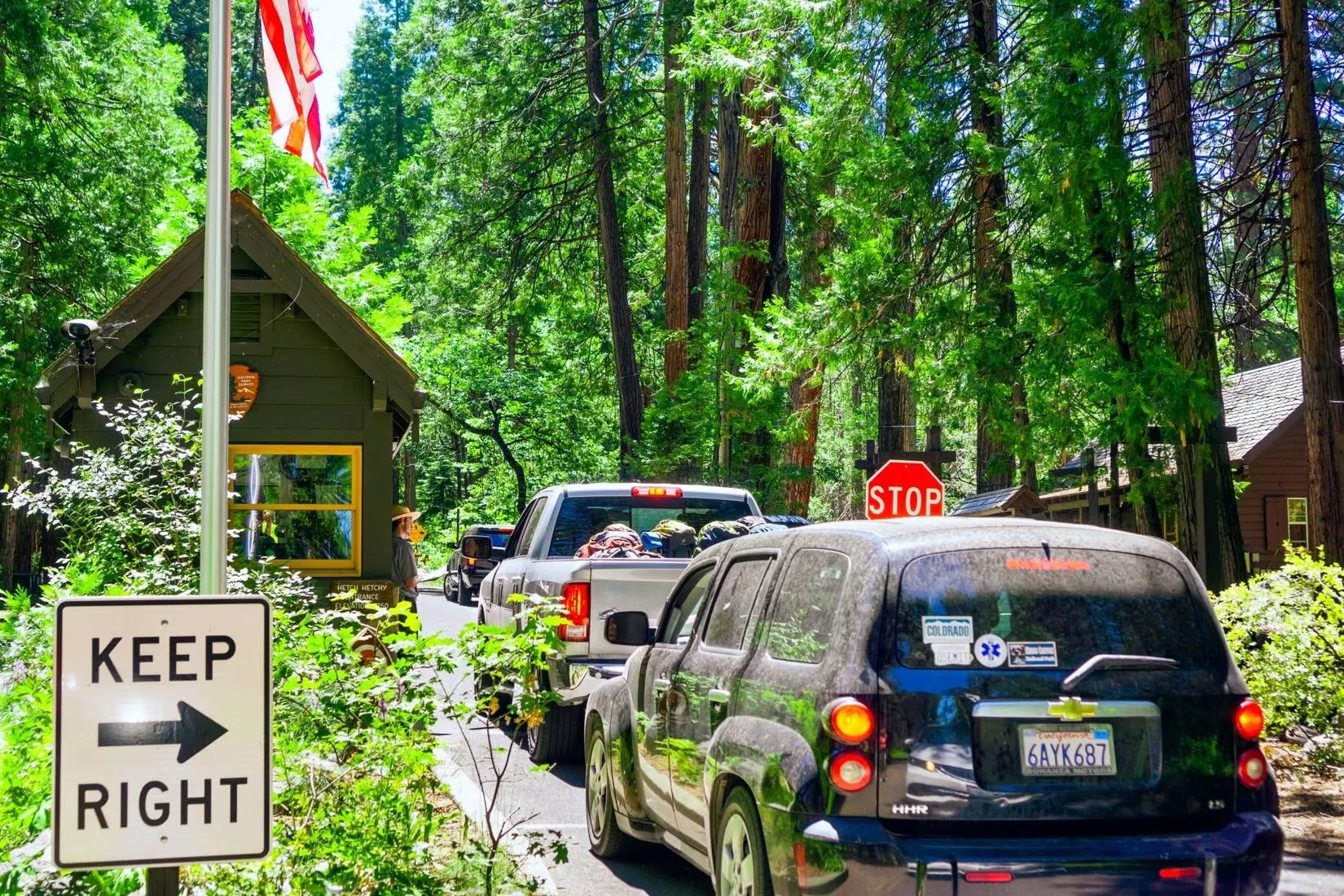
And then there are the practical headaches. How in the world are they going to enforce this? Will rangers at Yellowstone or the Grand Canyon have to become border agents, checking passports before letting cars through? The logistics seem like a nightmare waiting to happen. Picture the already-long entrance lines getting even longer as staff verify everyone's citizenship. It could turn a moment of anticipation into a bureaucratic slog. Not exactly the 'welcome to nature' experience we're going for.
| Aspect | Pre-2026 | Post-2026 (International) | Post-2026 (U.S. Resident) |
|---|---|---|---|
| Annual Pass Cost | ~$80 for all | $250 | $80 |
| Park Entrance (Top 11) | Standard Fee Only | Standard Fee + $100/person | Standard Fee Only |
| Example: Family of 4 at Yosemite | ~$140 | ~$435 | ~$140 |
Despite all the chaos and controversy, one thing is crystal clear: 2026 has fundamentally changed the game for visiting America's national parks. For me, holding my pass, it feels like I'm part of an experiment. Will these fees help with conservation and crowd control, or will they create a two-tiered system that changes the spirit of these places forever? Only time will tell. But one thing's for sure—planning a park trip now requires more than just a map and a sense of adventure; it requires a calculator and a keen eye on the fine print. What a time to be alive, and what a time to explore.
Leave a Comment
Comments