
I first saw Longs Peak from the trailhead before dawn, and it did not look like a hike. It looked like a dark wall with a reputation. In 2026, Colorado still draws climbers and hikers to its famous fourteeners, and depending on how you define an independent peak, the state has 53 to 58 of them. Only one stands inside Rocky Mountain National Park. That peak is Longs Peak, and at roughly 14,259 feet, it is also the deadliest of them all.
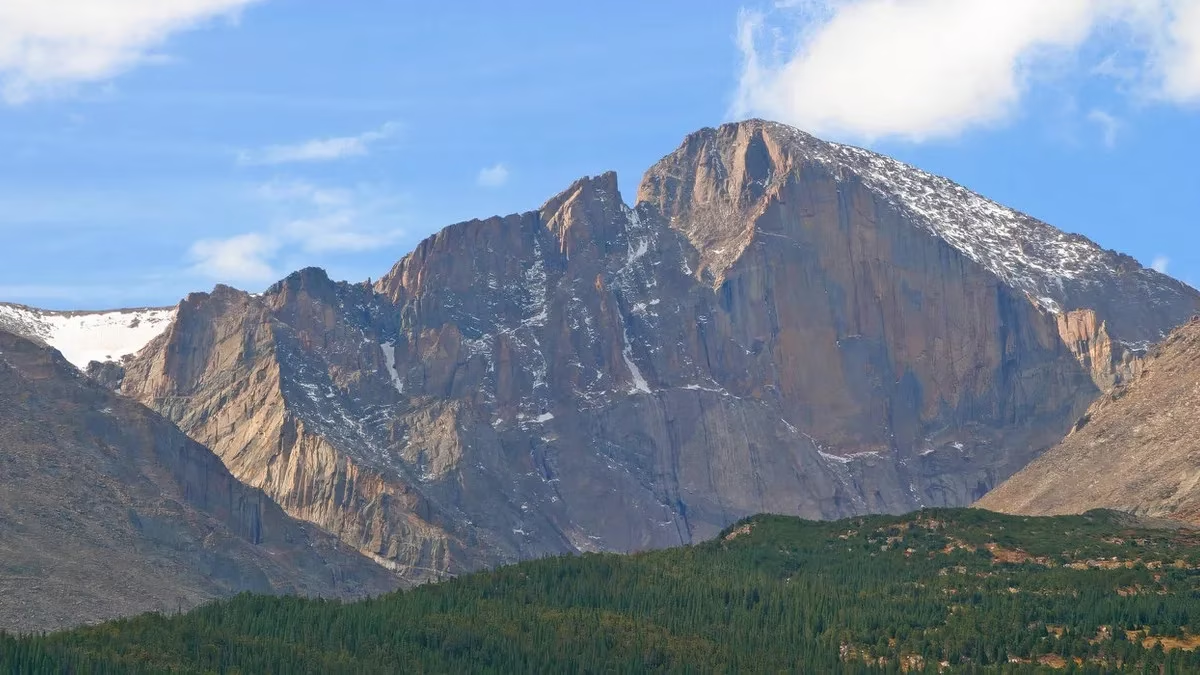
I started at 3 a.m. with a headlamp, too much water, and a plan I was willing to abandon. That last part mattered more than I expected. Longs Peak is not merely a long walk. The popular Keyhole Route begins as a hike, but it soon turns into exposed scrambling over narrow ledges and steep terrain. The most dangerous section waits beyond the Boulder Field and the Keyhole, through the Trough and the Narrows. A fall there can be fatal, and the mountain has proved that many times.
Since 1884, nearly 80 people have died trying to ascend or descend Longs Peak. A 2021 report noted that falls caused about 70 percent of recorded deaths, followed by hypothermia and exposure. At least five confirmed deaths followed that report. The people who never made it home were not all beginners. They were a mixed bag of ages and abilities, which is exactly why I treated Longs Peak as a climb first and a hike second.
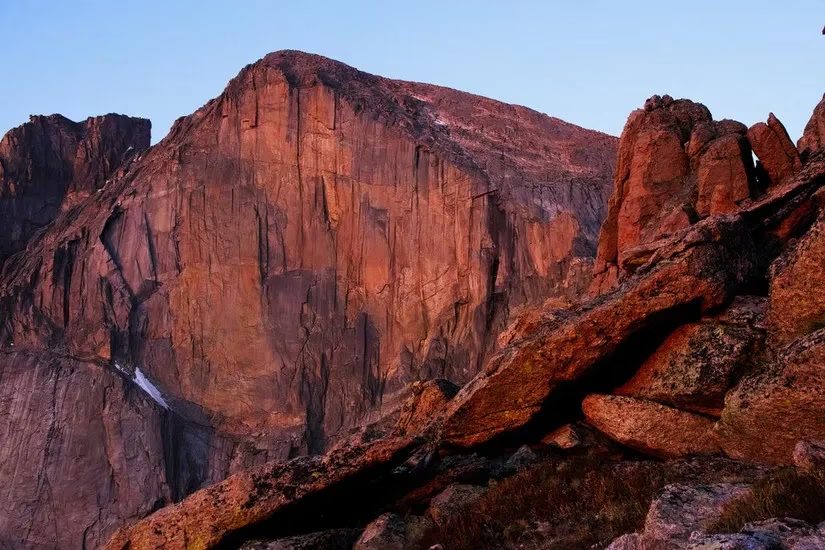
The route is a 15-mile round trip, and it can take 10 to 15 hours. Many people try to do it in a single day. I understood why. The lower mountain is a challenging hike for anyone in good health, but the upper mountain demands something more. Longs Peak is a Class 3 climb. Without some scrambling experience, hikers may want to think twice before committing to the summit. I had enough experience to know I did not want to learn the hard way above the Keyhole.
Weather is the trap I kept thinking about. Until hikers pass the Keyhole, which is several hours into the trek, it is nearly impossible to predict what conditions will be like closer to the summit. A clear morning can turn into a storm, and hypothermia has claimed lives on this mountain. I wore layers, carried more water than I believed necessary, and watched the sky like it owed me money.
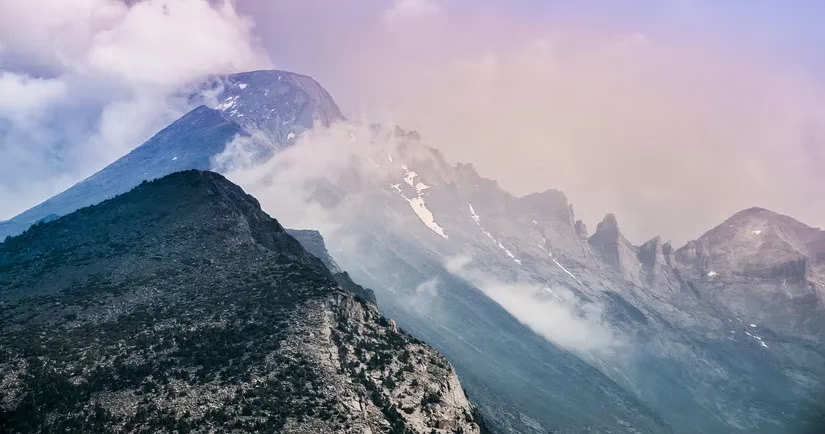
By the time I reached the Keyhole, the wind had picked up and clouds were building behind the peak. I thought about the summit. I thought about bragging rights. Then I thought about the Narrows, where a slip is not a story you tell later. I turned around. It was the right call, and I have never regretted it. The only thing an unprepared summit attempt guarantees is risk, and no mountain is worth a life.
For anyone planning Longs Peak, these are the rules I now follow:
-
⏰ Start as early as possible. Many hikers hit the trail at 3 a.m. for good reason.
-
🌦️ Mind the weather. If bad weather seems close, do not continue.
-
🪨 Watch for falling debris from hikers ahead.
-
🧠 Stop if altitude sickness kicks in.
-
🧥 Wear layers and carry extra.
-
💧 Pack more water than you think you need.
-
🚶 Do not be afraid to turn around at any time.
| Check | My rule |
|---|---|
| ⏰ Start | 3 a.m. or earlier |
| 🌦️ Weather | Turn back if storms build |
| 💧 Water | More than I think is necessary |
| 🧥 Layers | Wear them and carry spares |
| 🧠 Altitude | Stop at the first real symptom |
| 🪨 Rockfall | Watch debris from above |
| 🚶 Exit plan | Turning around is a win |
Longs Peak is one of the best mountain hikes in Colorado, and it is one of the most popular fourteeners despite being one of the toughest. That combination is dangerous. People come for the view and the challenge, but the mountain does not care about either. I did not summit that day. I came home with a clear head, tired legs, and a lesson I will keep: respect the mountain, prepare for the climb, and never let bragging rights make the decision for you.
Leave a Comment
Comments