
I remember stepping out of my car at Zion National Park in early October 2025, the red cliffs towering over me like silent giants. The air was crisp, carrying the scent of juniper, but something felt off. The government shutdown had just begun, and I half-expected locked gates and ranger-less silence. Instead, I found something far stranger: a quiet hum of human decency.
At the visitor center, a handwritten sign in dark orange letters read, “ENTRANCE FEE DONATIONS.” It stood there like a lighthouse in the fog of bureaucracy, guiding us toward a collective responsibility. No one was taking the usual $35 per vehicle. In fact, the booth was empty. But a simple metal box sat beneath the sign, and what poured into it astonished me.
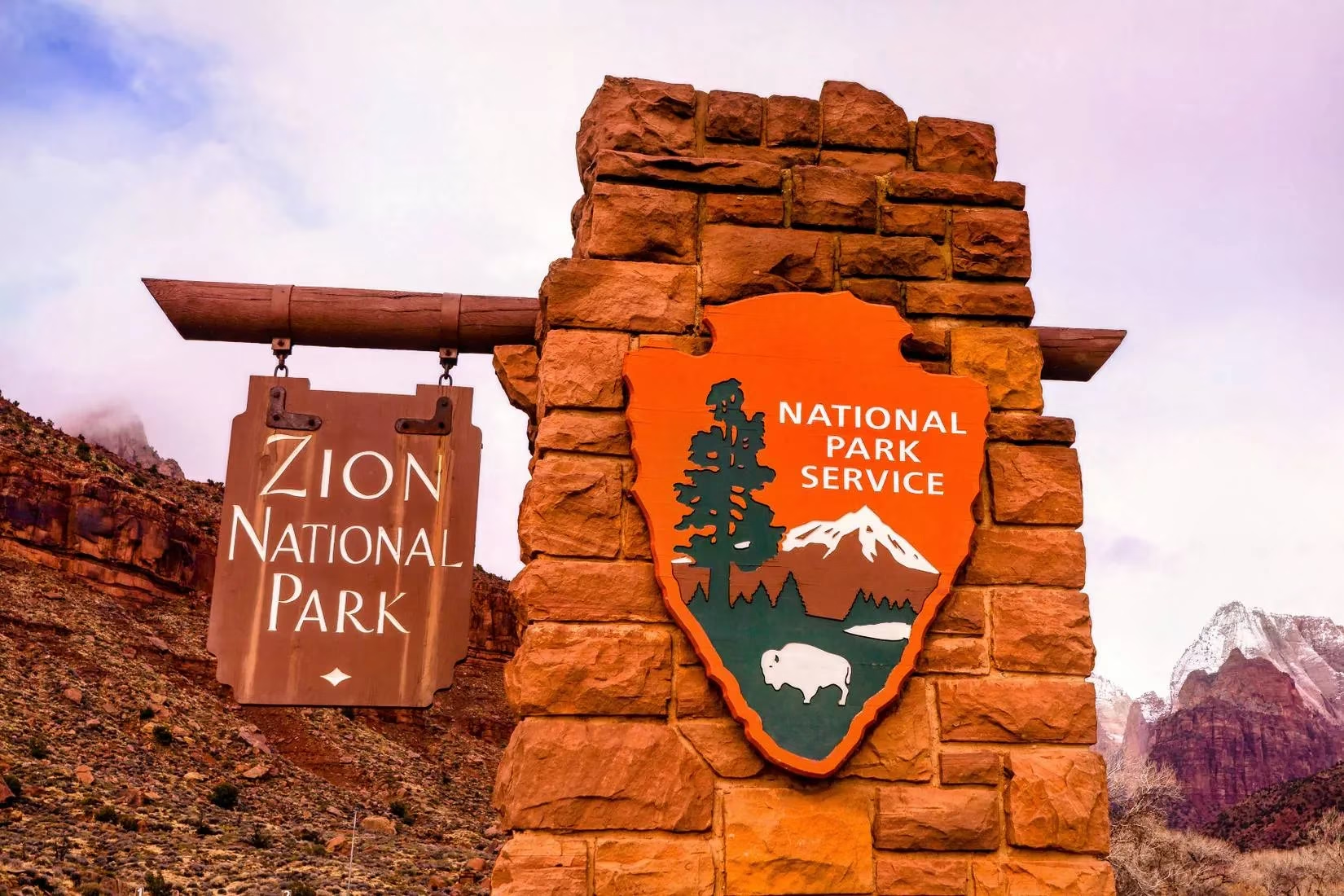
While I watched, families paused not to grumble about free entry, but to pull out cash. Many added more than what would have been required. One man in a faded baseball cap slipped in a $50 bill and whispered to his daughter, “This covers us and someone else today.” That moment spread through me like an underground spring, nourishing a belief that even when systems fail, communities can rise.
I learned later from Natalie Britt, CEO of the Zion Forever Project, that visitors donated between $1,200 and $2,200 per day since the shutdown began on October 1. But the money was only part of the story. Notes tucked alongside the cash read things like, “For the trails that heal our souls,” or “Pay it forward—Zion gave me peace last year.” These whispers of gratitude felt like canyon wind: unseen but deeply felt, carving patterns into the hard rock of an uncertain time.
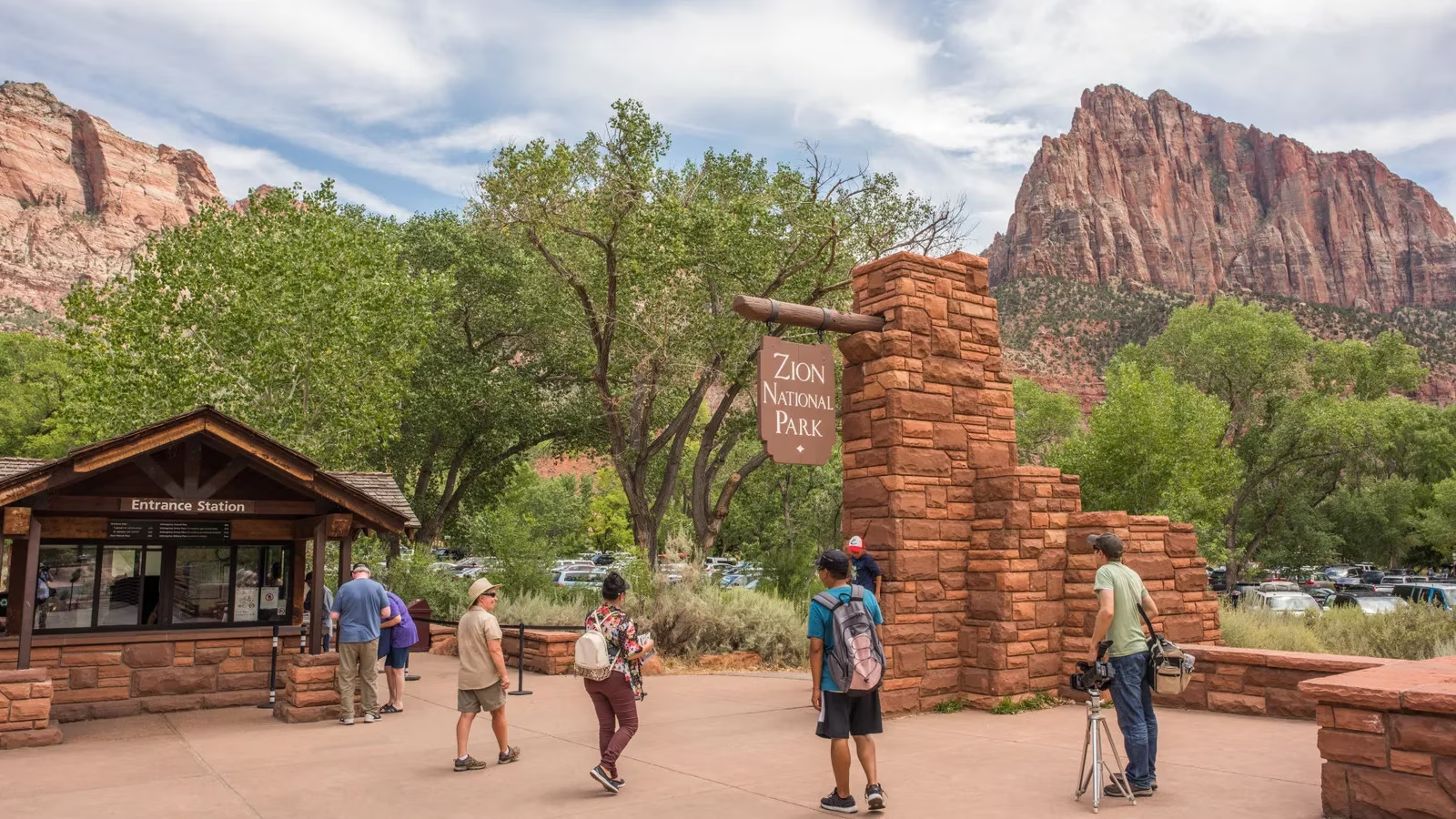
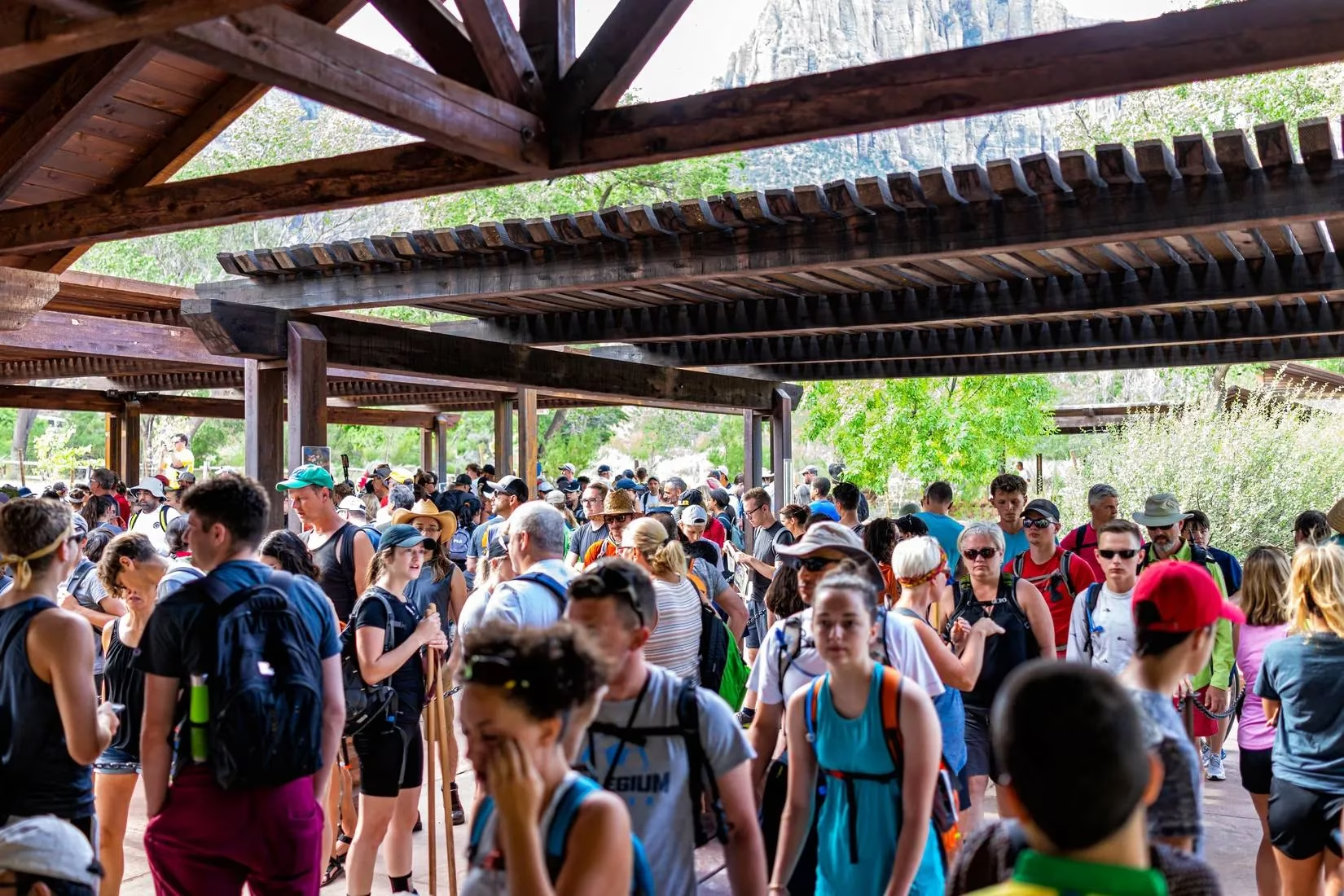
Despite this, the park was bleeding. It’s hard to imagine a place this vast losing money, but think of it as a bucket with a hole the size of a fist—no matter how much kindness pours in, the leak remains. Britt told The Salt Lake Tribune that Zion was hemorrhaging $35,000 to $50,000 in entrance fees every day. That same weekend, 25,000 people streamed through the gates. The trails were more crowded than ever, yet the coffers were empty. Volunteers from the Zion Forever group and other nonprofits kept restrooms open and litter picked up, but the deferred maintenance began to pile up like sediment in a forgotten riverbed.
Walking along the Virgin River, I noticed another wonder. With rangers absent, I had feared chaos—Yosemite was being described by some outlets as a “lawless playground” at that time. But at Zion, I saw hikers carrying trash bags, families sticking to marked paths, and a group of teenagers reminding each other to leave no trace. It was as if the shutdown stripped away the authority, and in that vacuum, empathy crystallized like salt flats—fragile, but remarkably organized.
The official shutdown statements were terse. Zion’s website simply noted that services were unavailable and visitors should follow regulations. But the real story was written in the donation box and in the eyes of the people on the Angel’s Landing trail. They weren’t passive tourists; they became temporary guardians.
Now, in 2026, I look back at those October weeks as a stress test—one that Zion passed shakily but with heart. The parks eventually reopened, and entrance fees resumed, but the shutdown left scars. Britt had warned that revenue losses from those days couldn’t be replaced, and she was right. Projects stalled; some trails saw delayed repairs. Yet the memory of that handwritten sign remains etched in me. It taught me that a national park isn’t just a place; it’s a pact between land and people. And when the government stepped back, that pact held, held by strangers who decided that $70 meant something more than a receipt. It meant “I belong to you, and you belong to me.”
If you visit Zion today, you won’t see that orange sign anymore. But if you look closely at the canyon walls, you might still feel the echoes of that lighthouse, still guiding us through any fog that comes.
Leave a Comment
Comments