
When the US federal government shut down on October 1, 2025, the effects rippled far beyond the capital. National parks, which depend heavily on federal dollars and federal employees, suddenly found their gates, visitor centers, and daily operations in limbo. Great Smoky Mountains National Park—a beloved stretch of ridgelines and misty valleys along the Tennessee–North Carolina border—took an immediate hit. Popular attractions such as Cades Cove closed, staff were furloughed, and an eerie quiet settled over places that normally hum with visitors.
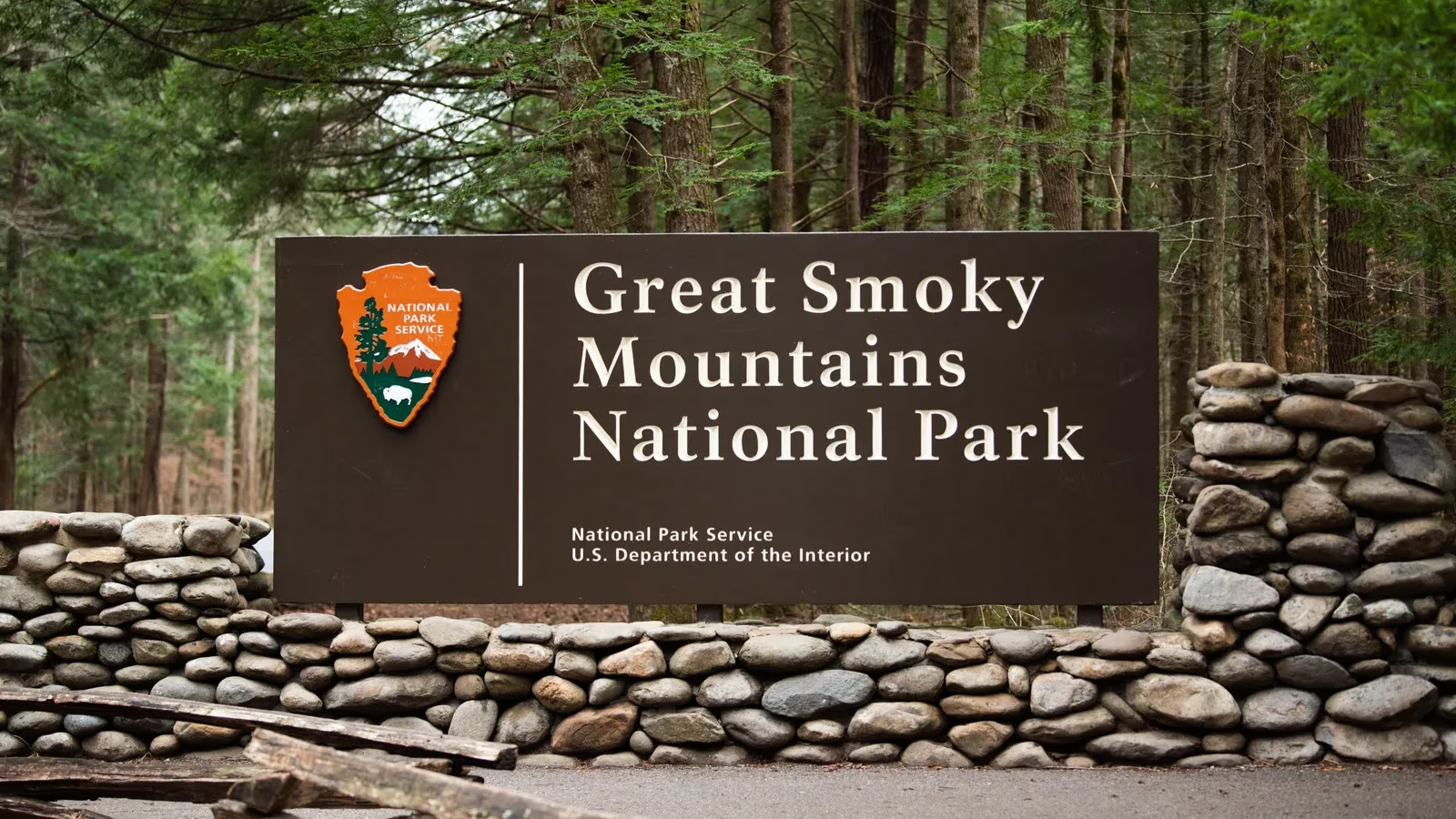
But here’s the thing: the Smokies weren’t about to go down without a fight. Within days, a coalition of city, county, state, and nonprofit partners stepped forward to fund the park themselves. Their first round of assistance allowed the park to fully reopen on October 4, 2025, with enough money to keep everything running through October 10.
Then October 10 started approaching, and there was still no sign of a federal funding deal.
On October 9, Friends of the Smokies, the nonprofit organization closely tied to the park, announced another round of support. Under the new arrangement, the park would remain fully open through October 19. The statement made clear that the money was not simply about unlocking gates. It meant bringing employees back to welcome visitors, maintain trails and historic structures, and keep a watchful eye on wildlife.
Beyond opening all the gates, this gets all staff back on the job to help visitors, preserve trails and historic structures, and protect wildlife.
If visitors wandered into Cades Cove, Clingmans Dome, or Newfound Gap during those weeks, they might never suspect the park was operating in the middle of a federal shutdown. Rangers were on duty, picnic areas were open, campgrounds were running, and the usual fall routines continued. Let that sink in.
This was no small feat. October is a critical month for Great Smoky Mountains National Park. The autumn foliage draws travelers from around the world, and many come hoping to see black bears, elk, white-tailed deer, and other wildlife preparing for winter. The park’s gateway communities depend on that seasonal surge. In towns like Gatlinburg, Pigeon Forge, and Sevierville, the economy rises and falls with park tourism. So keeping the Smokies open was not just about scenery—it was about survival.
The funding coalition included ten groups. Among the major players were:
-
Sevier County
-
Pigeon Forge
-
Gatlinburg
-
Sevierville
-
Pittman Center
-
Blount County
-
Cocke County
-
The State of Tennessee
-
Friends of the Smokies
-
The Eastern Band of Cherokee Indians
The State of Tennessee alone had already contributed $80,000 to keep the park operational through October 10. Talk about a lifeline—October is make-or-break season for the towns that ring the park.
Perhaps the best way to understand how extraordinary this local rescue was is to look at the rest of the country. While many national parks remained open in some fashion after the shutdown began, most had to close visitor centers, cancel ranger programs, suspend tours, and limit services. Some remote areas were shut down because there simply were not enough staff members to keep visitors from causing damage.
A few parks faced even more severe decisions. White Sands National Park in New Mexico and Petrified Forest National Park in Arizona closed entirely because the risk of irreversible damage was too high without proper staffing. Those worries were not unreasonable. During the 2018–2019 shutdown, which lasted 34 days, Joshua Tree National Park in California suffered widespread vandalism, including damaged rock formations and cut-down Joshua trees. Once that kind of harm is done, it cannot easily be undone.
Even parks that managed to stay mostly open showed the strain. Indiana Dunes National Park, for example, had a noticeable lack of staff presence, while Redwood National and State Parks dealt with secondary problems such as theft.
By contrast, Great Smoky Mountains National Park stood out as a rare bright spot. Among the 63 national parks in the United States, it became one of the only parks fully open and operational during the shutdown. The phrase business as usual took on a very literal meaning in the Smokies.
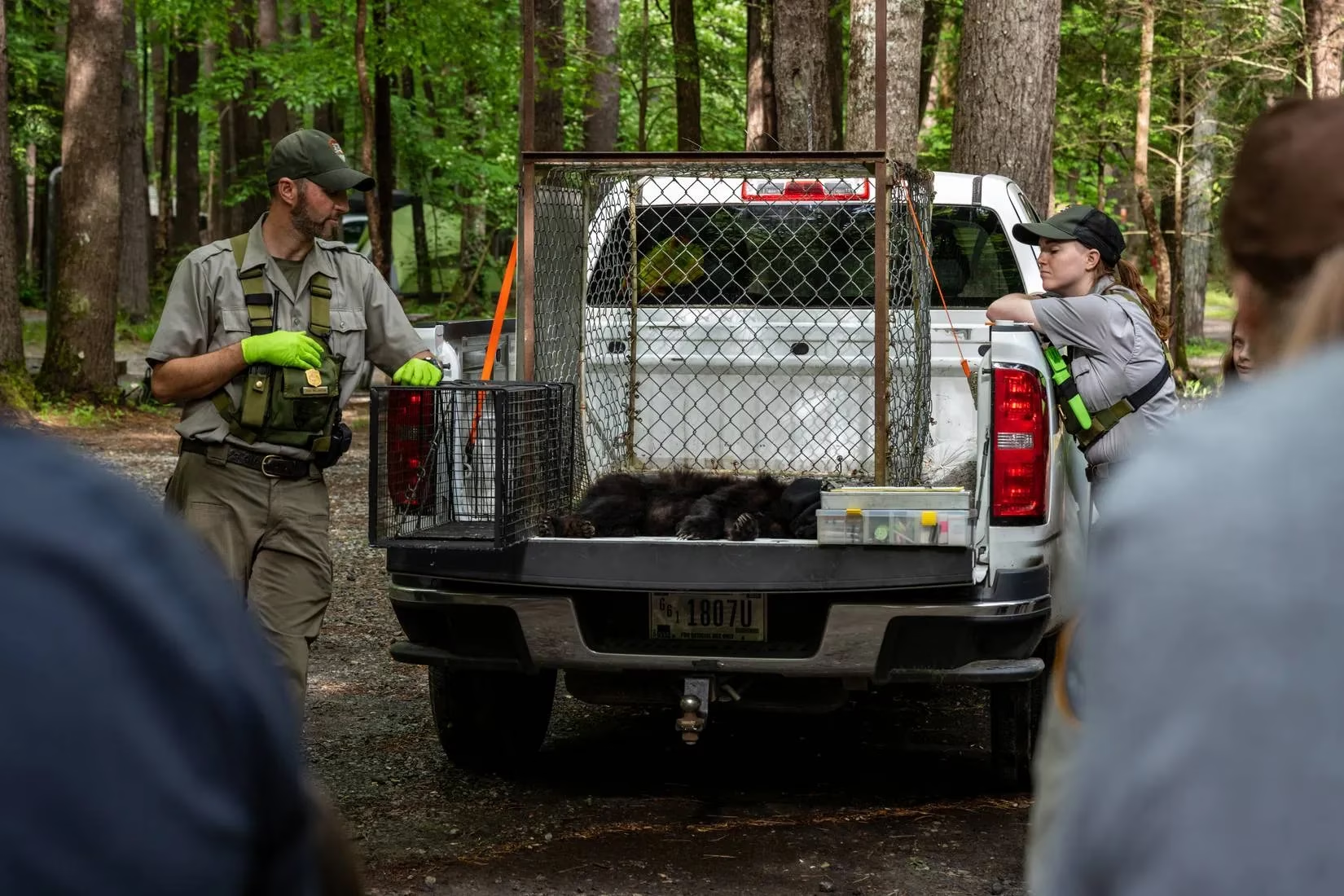
Still, local leaders and park supporters were quick to remind visitors that the arrangement was not permanent. There is no true substitute for federal funding. Nonprofit partners like Friends of the Smokies rely largely on donations and specialty license plate sales, and local governments cannot carry a national park forever. Visitors were encouraged to remain patient and respectful during the shutdown, especially as the park navigated the uncertainties of privately funded operations.
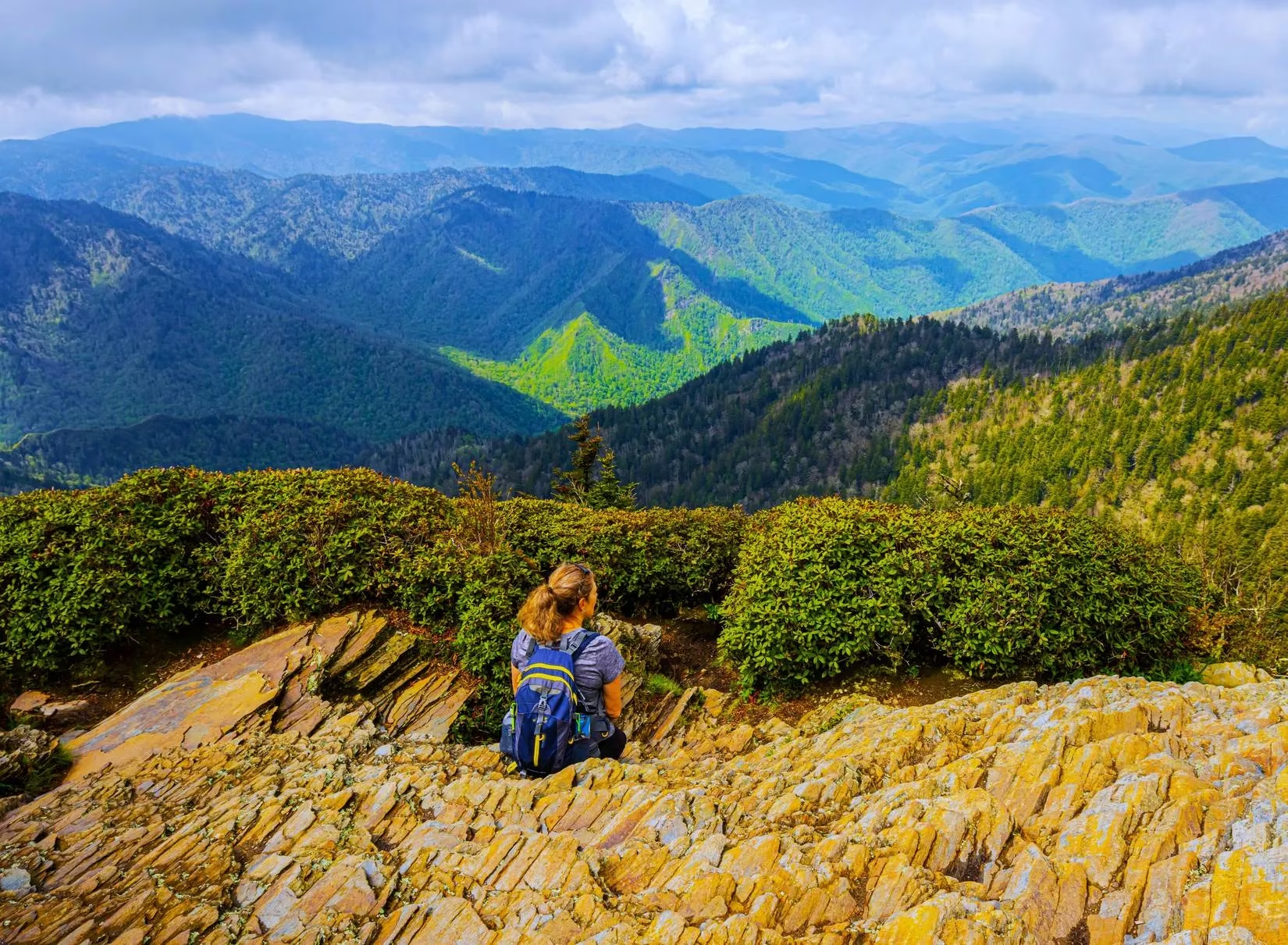
The combined effort was a much-needed victory in a season of difficult headlines. For the Smokies, the shutdown became not just a story of loss, but a story of neighbors, towns, and tribes coming together to protect a landscape that holds deep meaning for millions of people. The mist still rose over the ridges. The trails still welcomed hikers. And at least until October 19, the heart of the Southern Appalachians kept beating.
Leave a Comment
Comments