
It's a tough spot to be in, isn't it? One minute you're hailed as one of the most stunning places on the planet, and the next, you're being told folks should maybe give you a little space. That's the reality for Glacier National Park in 2026. Fresh off being crowned one of the world's best places to visit just last year, this Montana gem has landed on Fodor's Travel's exclusive 'No List' for 2026. The message is clear: think twice before you go. It's not about being unwelcoming; it's about a park that's feeling the heat, quite literally and figuratively, from the crush of 'last-chance tourism' and climate change's relentless march.
❄️ The Heartbreaking 'Last-Chance' Rush
Let's talk about those glaciers. Back in the day, the park was home to around 150 of these icy giants. Fast forward to now? Only about 27 are hanging on. And the forecast? Scientists say they're all expected to vanish by 2030. This ticking clock has triggered a wave of 'last-chance tourism'—people rushing to see the glaciers before they're gone for good. While the intention is understandable, the impact is... a lot. Imagine a party where everyone shows up at once, and the house just wasn't built for it. That's Glacier right now.
🚗 The Daily Grind: Crowds, Cars, and Consequences
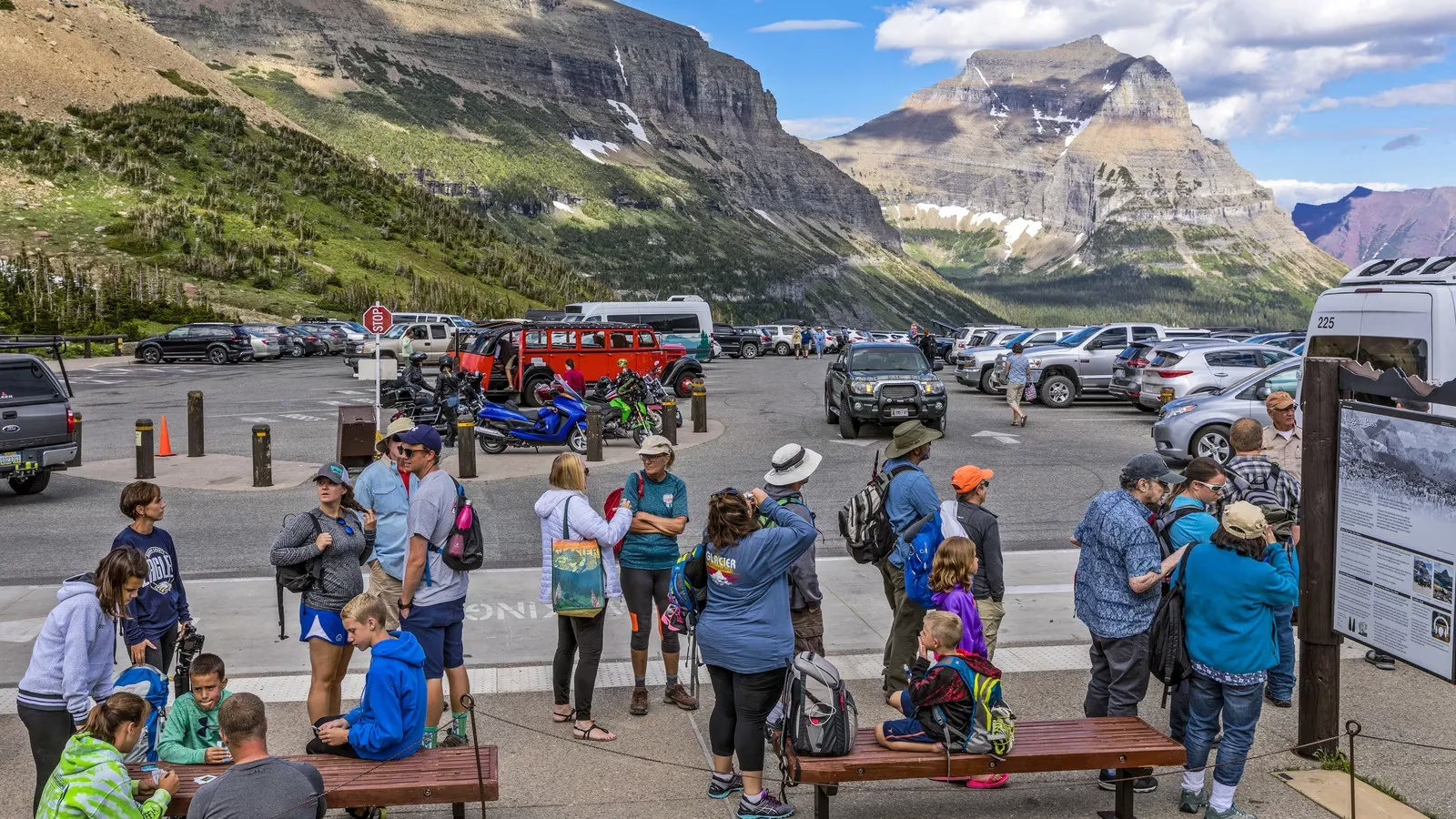
The visitor surge isn't just a statistic; you can see and feel it on the ground. Take Logan Pass, the park's highest point reachable by car. Finding a parking spot there has become its own kind of extreme sport.
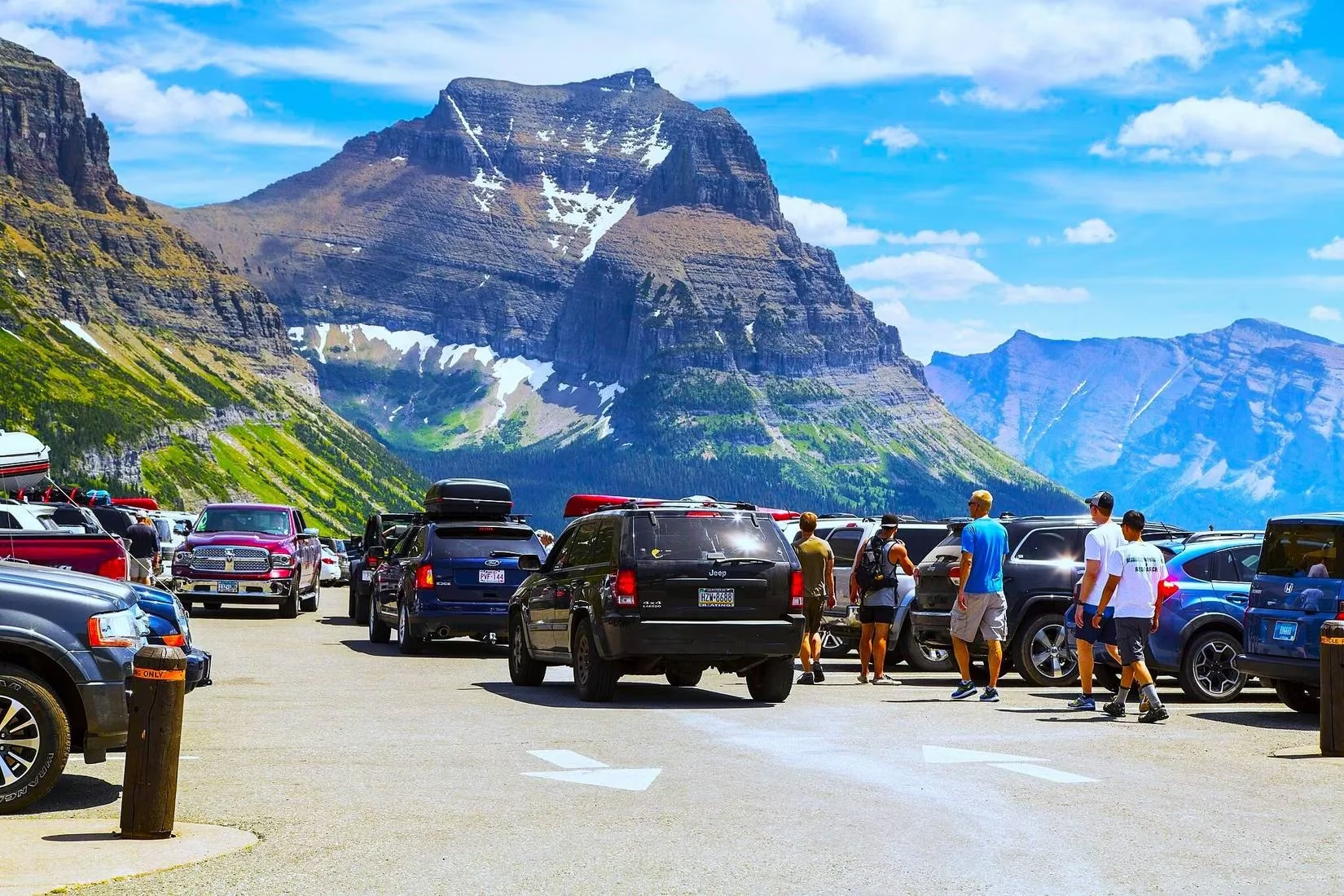
The iconic Going-to-the-Sun Road often feels more like a slow-moving parking lot, and all those idling engines aren't doing the crisp mountain air any favors. But congestion is just the tip of the iceberg. Experts like Michael Jamison from the National Parks Conservation Association point to a deeper 'degradation' of the very things people come to see. It's a classic case of loving a place to death.
😬 When Good Intentions Go Sideways: 'Touronic' Trends
Yep, we're coining a term here. 'Touronic' behavior—those not-so-smart things some visitors do—is on the rise across national parks, and Glacier isn't immune. We're talking about:
-
🙅♀️ Getting way too close to wildlife for that perfect shot.
-
🥾 Wandering off designated trails and trampling fragile vegetation.
-
🗑️ Leaving behind trash (seriously, pack it in, pack it out!).
-
🚫 Parking illegally and blocking roads or meadows.
-
🚁 Flying drones where they're strictly prohibited.
Each of these actions might seem small, but together, they create massive disruptions for the animals and plants that call the park home. It's like having uninvited guests rearrange your furniture and eat all your food... every single day.
🔥 A Perfect Storm: Climate Change Meets Overtourism
The park isn't just dealing with crowds; it's facing a climate crisis head-on. Glacier is warming at nearly twice the global average. This means:
-
More intense and frequent wildfires.
-
Strained water supplies (the park even faced a shortage recently due to high demand).
-
Accelerated glacier melt, which feeds the 'last-chance' tourism cycle.
As Jamison puts it, the pressure from industrial-strength tourism and social media-fueled 'wreckreation' is being "compounded and amplified by climate change." It's a one-two punch that's leaving lasting scars.
💰 The 2026 Fee Hike: Will It Help?
Here's a new twist for 2026: international visitors will now pay over three times more than U.S. citizens to enter Glacier and other national parks. It's part of an 'America-First' campaign, adding a $100 fee per person. The idea is to fund park maintenance, but let's be real... will it curb crowds?
| Visitor Type | Old Fee (Est.) | New 2026 Fee (Est.) | Increase |
|---|---|---|---|
| U.S. Citizen | ~$35 | ~$35 | None |
| International Visitor | ~$35 | ~$135+ | ~+289% |
Research suggests probably not much. Studies indicate such fee increases might only reduce visitor numbers by about 1%. So, while it generates revenue, it's unlikely to be the solution to overtourism. The message from Fodor's remains the most impactful: sometimes, the best way to help a place is to choose not to visit it right now.
🤔 So... What's a Travel Lover to Do?
This leaves us with a real dilemma. The advice from travel experts is to consider skipping Glacier in 2026 to give its ecosystems a breather. It's a conscious choice to put the park's long-term health over a checkbox on a travel list.
But if you do decide to go, the responsibility is immense. You've gotta be the best visitor ever:
-
✅ Plan ahead and visit during off-peak times if possible.
-
✅ Stick to marked trails like glue.
-
✅ Give wildlife all the space they need (and then some more).
-
✅ Follow every single park rule—no exceptions.
-
✅ Embrace the 'Leave No Trace' philosophy like a religion.
Ultimately, the story of Glacier National Park in 2026 is a powerful reminder. Our most beautiful places are also our most fragile. Loving them sometimes means knowing when to stay away, allowing them the space to heal and endure for generations who will only know these glaciers from pictures... and stories. The choice, as they say, is yours.
Leave a Comment
Comments