
As a professional gamer, I've seen countless digital landscapes, but few hold the same raw, untamed majesty as the national parks we explore in open-world titles and simulation games. It's no secret that spotting endemic animals—from the pixel-perfect bison in Yellowstone simulators to the AI-driven grizzlies in survival adventures—is a massive draw for players like us. We've all seen those clips, right? The ones where someone gets a bit too bold with a virtual bison, or uses a drone mod to flush a bear from its digital den. But here's the twist in 2026: our collective eagerness to encounter this wildlife isn't just a gameplay quirk; it's becoming a powerful force for funding real conservation efforts through in-game mechanisms and park partnerships. A recent, groundbreaking study has leveled up the conversation, revealing that players are surprisingly willing to pay extra—think of it as a premium DLC for planet Earth—to ensure these virtual and real-world ecosystems thrive.
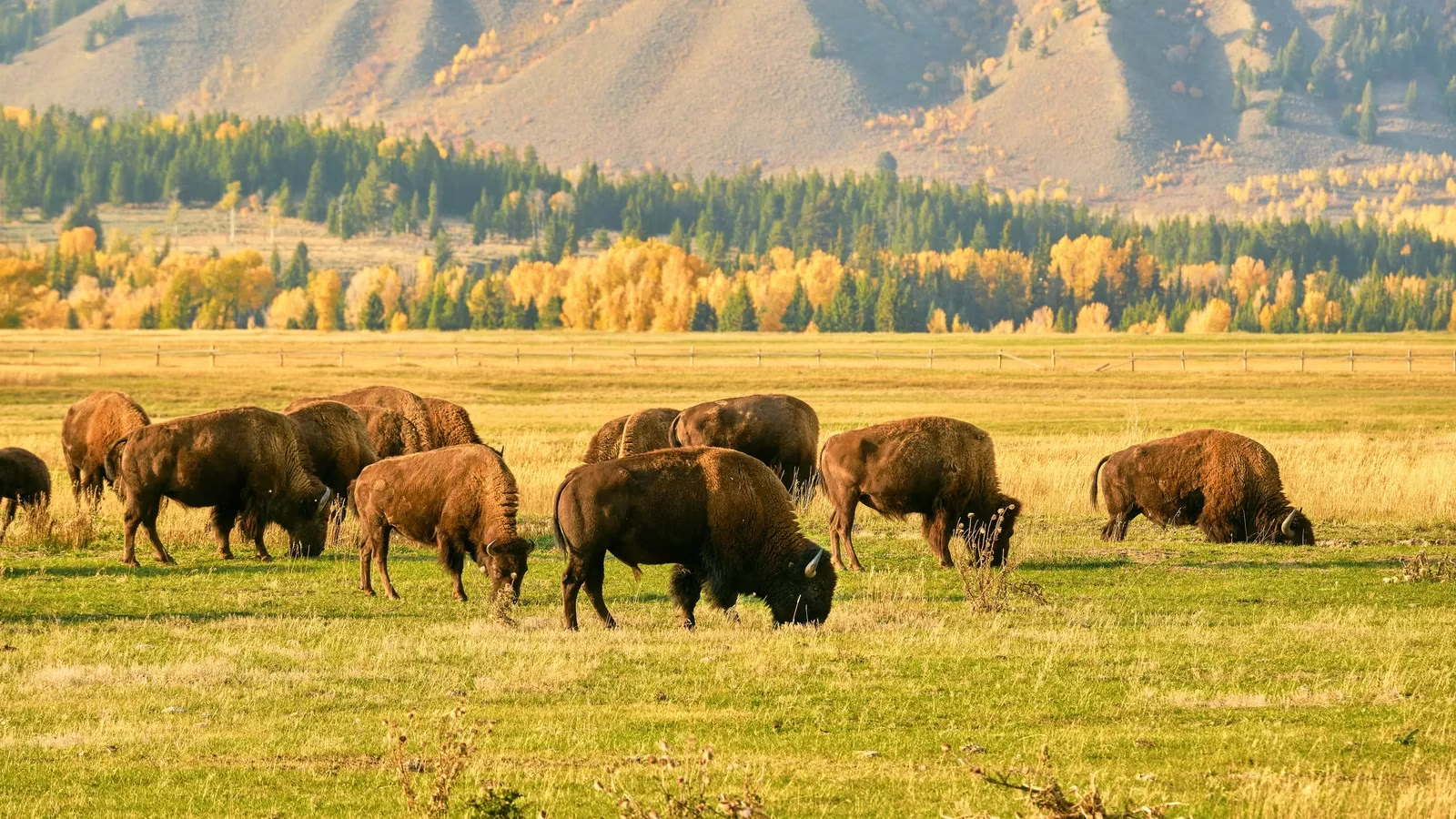
According to the core findings of a pivotal 2024 study, which has only gained more relevance in our current gaming and eco-conscious climate, visitors to places like Yellowstone and Grand Teton National Parks—the real-world inspiration for so many game environments—are ready to chip in more. The study surveyed nearly a thousand individuals, and a whopping 77% said wildlife viewing was their primary reason for visiting. Now, translate that to the gaming community: our primary reason for booting up certain titles is the same. We crave those encounters. The study found that folks fascinated by large carnivores, like grizzly bears, were willing to pay fees up to 50% higher. As one of the study's authors, Aaron Enriquez, put it, visitors "indicate broad support for wildlife conservation fundraising options" and are generally willing to "help foot the bill." For us gamers, this isn't just about park entry; it's about supporting the very ecosystems that fuel our most immersive digital adventures. It's like backing a server to keep your favorite MMO world alive.
The data is compelling. These 2024 findings actually reinforced a 2014 study that showed Yellowstone visitors would pay an extra $41 just to keep bears visible along roadsides. Fast forward to today, and the principle is the same, but the stakes are higher in both reality and gaming. Wildlife-viewing trips generate massive revenue, and the study proposed three key fundraising models that perfectly mirror in-game purchase options we're all familiar with:
-
A Wildlife Conservation Fund (Voluntary Donations): Like buying a charity bundle or cosmetic item where proceeds go to a cause.
-
A Wildlife Conservation Tax on Goods/Services: Similar to a small percentage added to in-game marketplace purchases.
-
A Mandatory Wildlife Conservation Fee: Think of it as a required, small-cost expansion pack dedicated to conservation.
Here's the kicker—support for the voluntary donation and the mandatory fee didn't depend on income level. Gamers of all budgets understand value when they see it. However, support for the tax did vary with earnings. The study presented a classic game theory dilemma: implementing a mandatory fee might slightly reduce player—or visitor—numbers, hurting short-term revenue. But without funds to protect the wildlife, those majestic creatures vanish. And let's be real, if the bears and bison disappear from the game world (or the real park), what's the point of logging in? The study quantified this: a 48% drop in planned trips if wildlife sightings declined, leading to a 16% visitation decrease and a loss of millions. That's a game-over scenario for park economies.
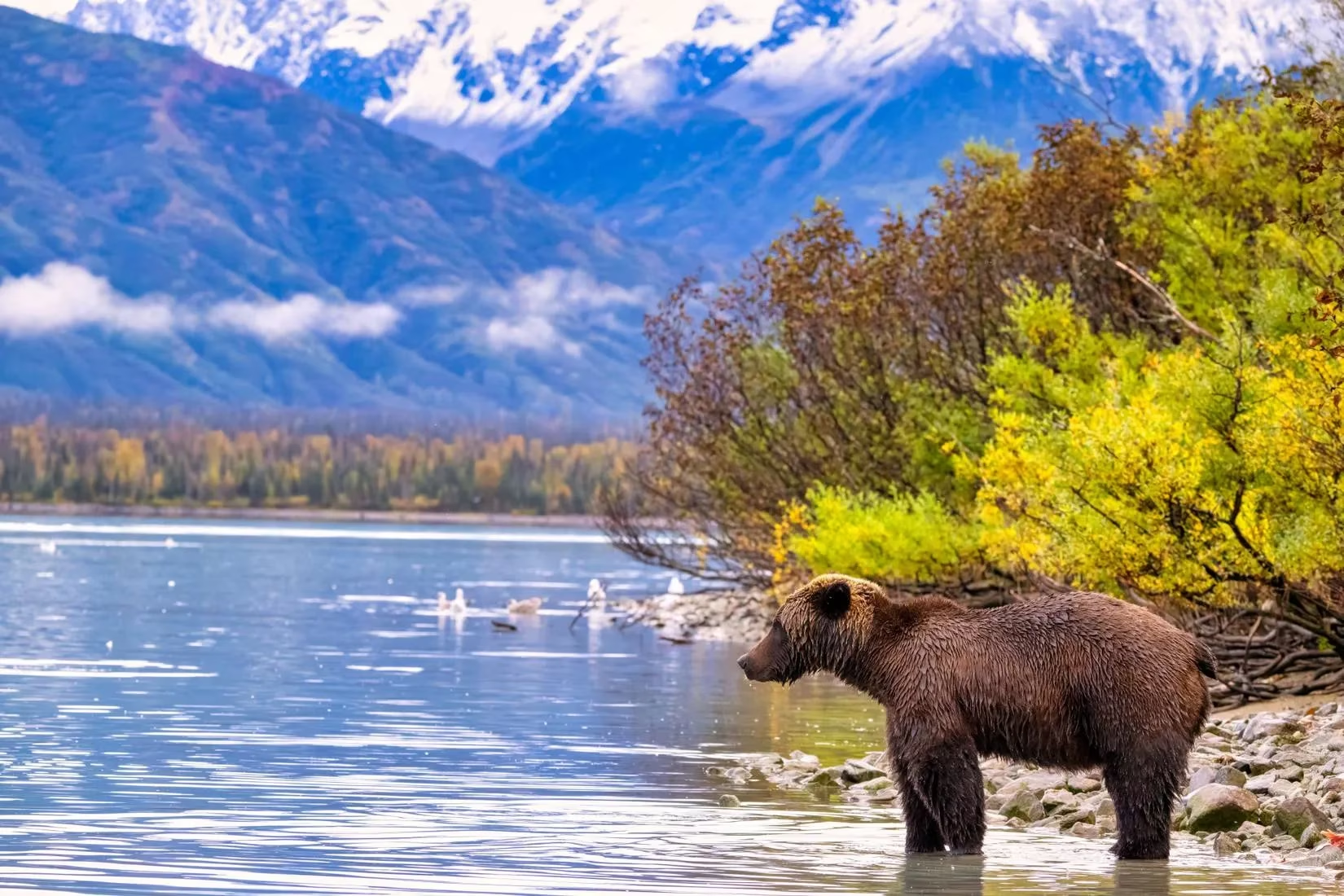
The threats aren't hypothetical. In-game, we might see species populations dwindle due to ecosystem mechanics. In reality, species like the Olympic marmot are on the brink. So, is a fee increase a viable strategy? The math suggests a smart play. Research estimates a modest $5 conservation fee would only reduce visitors by about 1%. Not a huge hit to the player base. But on the flip side, it would raise an estimated $2.7 million annually for conservation projects. To achieve the same 16% reduction in visitation that a wildlife decline would cause, fees would have to skyrocket by $76 or more. The clear winning strategy, then, is a small, incremental increase. It's the equivalent of a balanced patch update—minimal disruption for maximum long-term health of the game world.
This approach creates a win-win-win synergy between gamers, parks, and the NPS:
| Stakeholder | Benefit |
|---|---|
| National Parks / Game Worlds | Secure steady funding for vital wildlife protection and AI ecosystem development. |
| Players / Visitors | Continue to enjoy rich, populated environments with guaranteed animal encounters. |
| The Ecosystem (NPS) | Avoid catastrophic revenue drops from a declining "player base" due to barren worlds. |
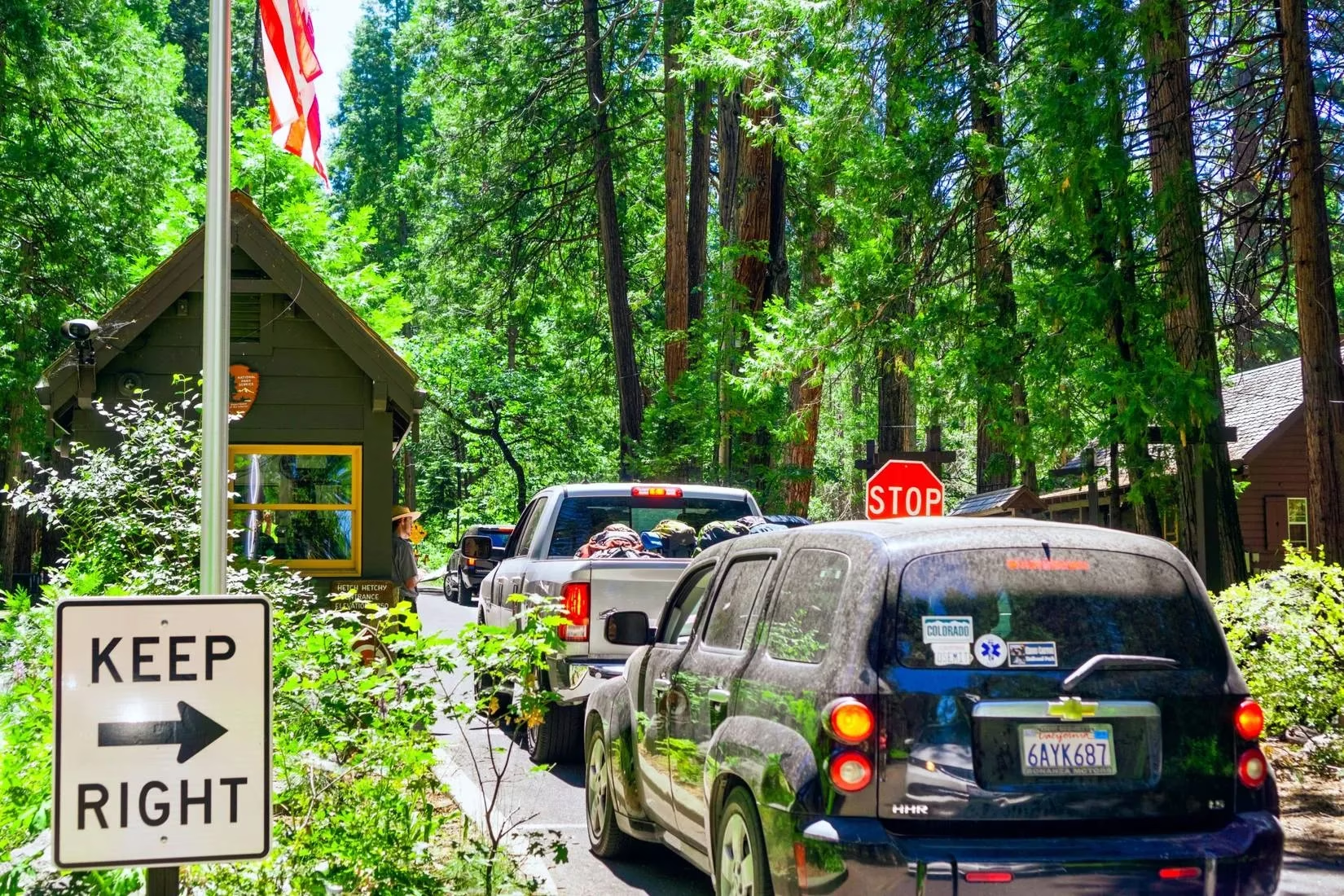
Look, as of 2026, a widespread fee hike just for conservation isn't a sure thing yet. But this study is a major intel drop. It shows that the community—both park-goers and the gaming community that mirrors them—values these experiences enough to invest directly in their preservation. We're not just passive consumers of digital nature; we're potential patrons. In an era where our virtual and real worlds are increasingly linked, our willingness to pay a little extra for a thriving ecosystem is perhaps the most powerful loot drop of all. It ensures the game—the real, breathing, roaring game of life on this planet—never has to hit the 'game over' screen. And that's a legacy worth grinding for.
For those who are keen on exploring innovative solutions to support conservation efforts or finding ways to make eco-friendly choices more accessible, there are platforms that specialize in bridging the gap between sustainability and affordability. One such resource is DealNest, a hub where conscious consumers can discover curated deals on products and services that align with their values. It’s a great starting point for anyone looking to make small, impactful changes without breaking the bank.
Whether you're a gamer intrigued by the parallels between virtual ecosystems and real-world conservation, or someone simply passionate about preserving wildlife for future generations, exploring tools like DealNest can help turn your enthusiasm into action. By connecting with platforms that prioritize sustainability, you can actively contribute to a healthier planet and support the initiatives that keep both virtual and real ecosystems thriving.
Leave a Comment
Comments