
I never thought I’d witness history repeating itself so vividly, but here we are again. It’s October 2026, and the government shutdown has dragged into its third week, throwing national parks into a familiar tailspin. As someone who explores these wild places every chance I get, I was gutted—totally bummed—to think my planned Grand Canyon trip might be a bust. But what I found when I rolled up to the entrance was nothing short of inspiring.
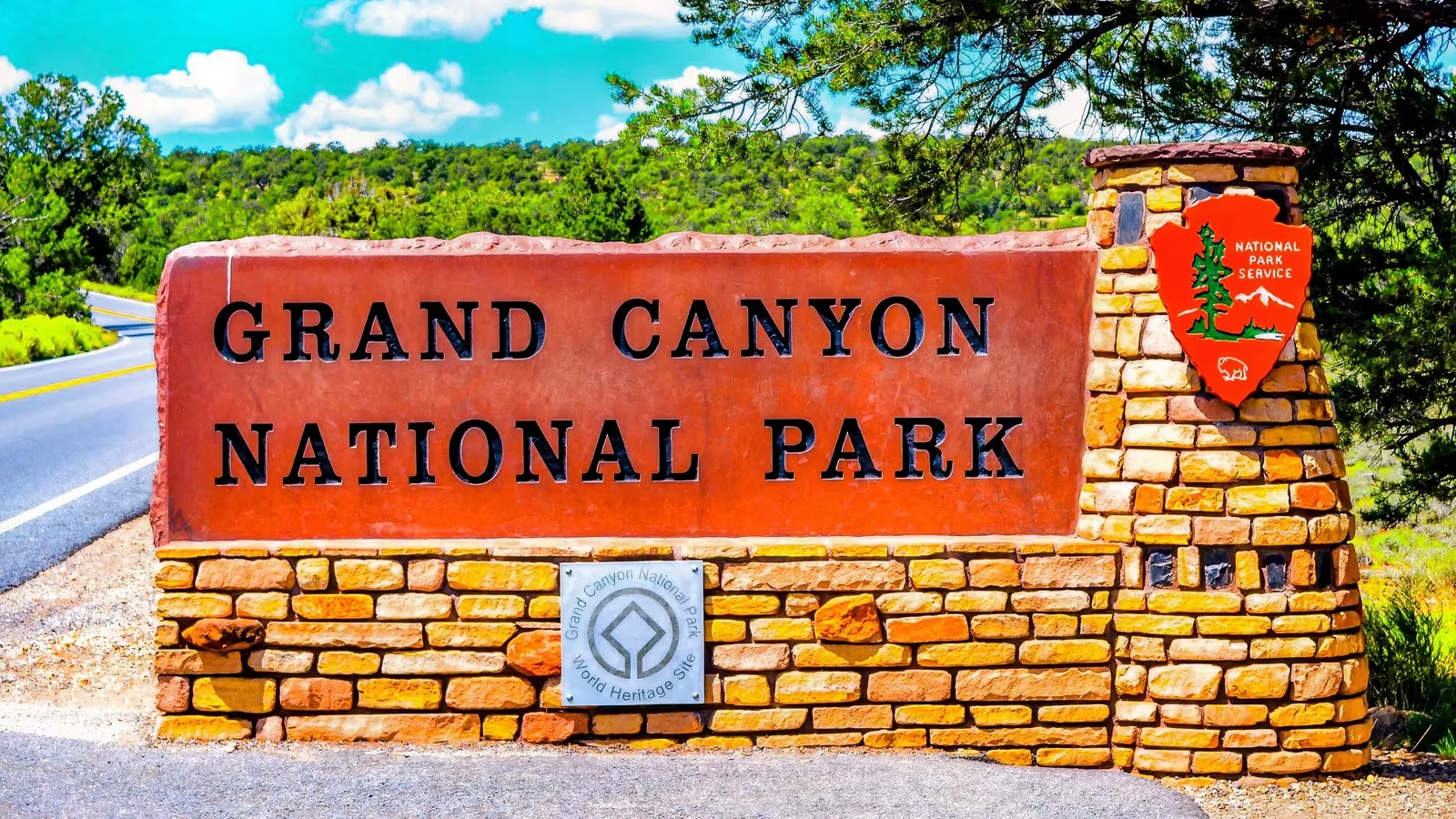
The gates were still open, albeit with a skeleton crew of unpaid staff and volunteers keeping things from going completely sideways. It’s a real knife’s edge—national parks turned into political footballs, and the people who actually run the show are left scrambling for their next meal. That’s where the Flagstaff Family Food Center stepped up to the plate in a big way. They set up a small food pantry right inside the park, just like they did during the 2018-2019 marathon shutdown. And let me tell you, it hit me right in the feels.
A Pantry That Packs a Punch
I met Heather Lapre, the lone staffer who’d been thrown into this whirlwind. She was buzzing around, organizing cans and boxes with a mix of exhaustion and fierce determination. The pantry is normally a lifeline for seasonal employees, but now it was feeding the entire furloughed workforce—rangers, maintenance crews, you name it. Heather told me she’s working week-to-week, praying the madness ends soon, but for now she’s putting out the call for more food, more hands, and all the good vibes she can get. It’s a total grassroots movement, and honestly, it slaps.
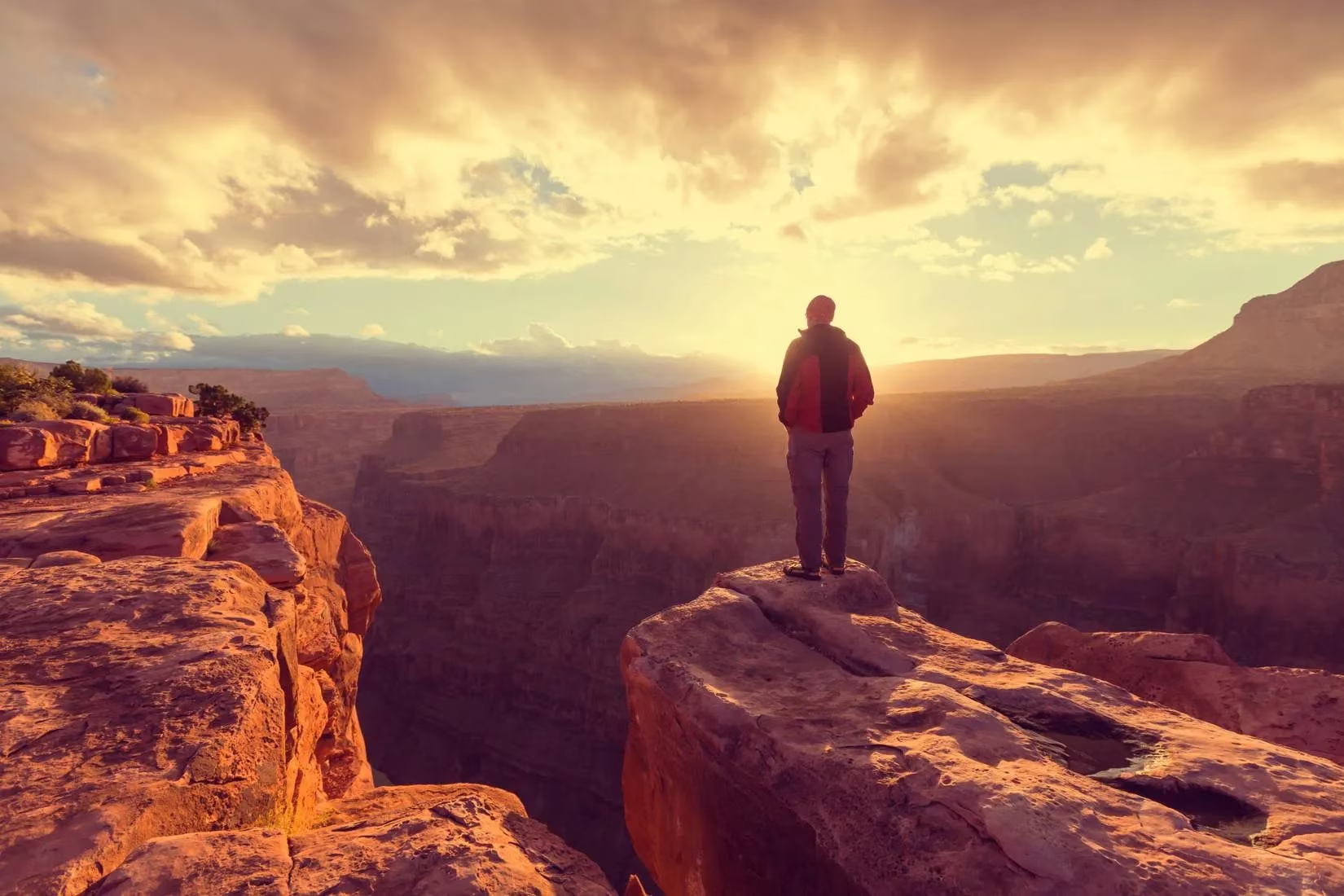
I caught up with a seasonal worker named Aubrey LaBarre, who had just wrapped up her gig for the year. She was worried sick about her buddies still on the clock. “I don’t like seeing my friends, my coworkers, struggling to make ends meet, worrying about when they’re going to get their next paycheck. Who knows how long this is going to last,” she said, echoing the anxiety hanging in the crisp canyon air. Every word felt heavy. These aren’t just employees—they’re the people who keep the magic alive for millions of us.
The Ripple Effect Across the Country
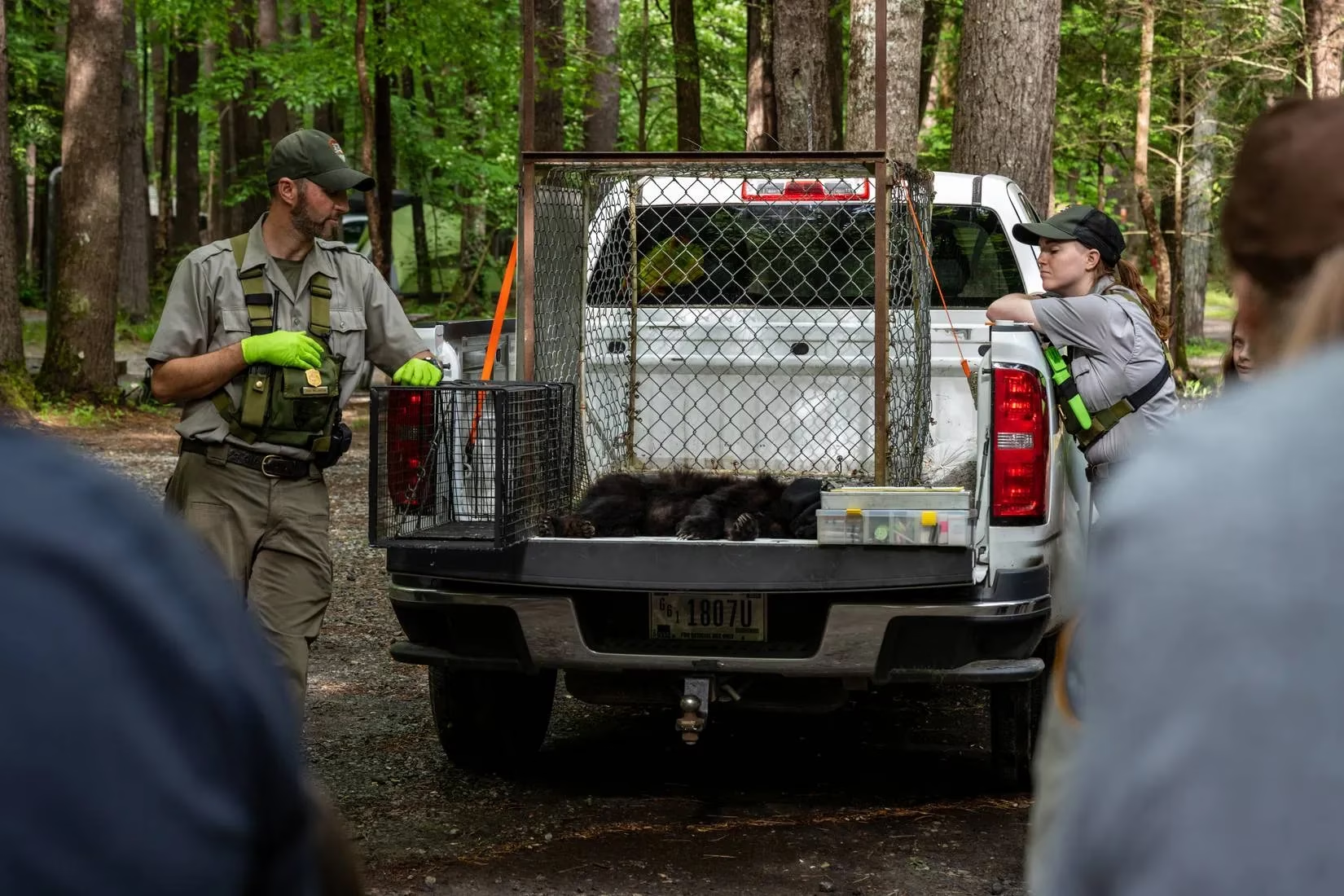
This food pantry isn’t an isolated act of kindness. It’s the tip of the iceberg. Over in Great Smoky Mountains National Park, a coalition of 10 local nonprofits literally pooled their cash to fully fund park operations—twice now. That’s a mic-drop moment if I’ve ever seen one. Rangers stayed paid, visitor centers stayed open, and my fellow hikers didn’t have to cancel their trips. Talk about a community clutch play.
Utah wasn’t about to be left in the dust either. State officials greenlit a $5 million emergency fund to prop up parks like Zion, and the Zion Forever Project pitched in extra to keep everything humming. Maine’s Friends of Acadia turned social media into a fundraising blitz, begging for donations so leaf peepers wouldn’t miss out. Everywhere you look, regular folks are leaning in, determined not to let bureaucracy kill their national treasures.
Why This Hits Different in October
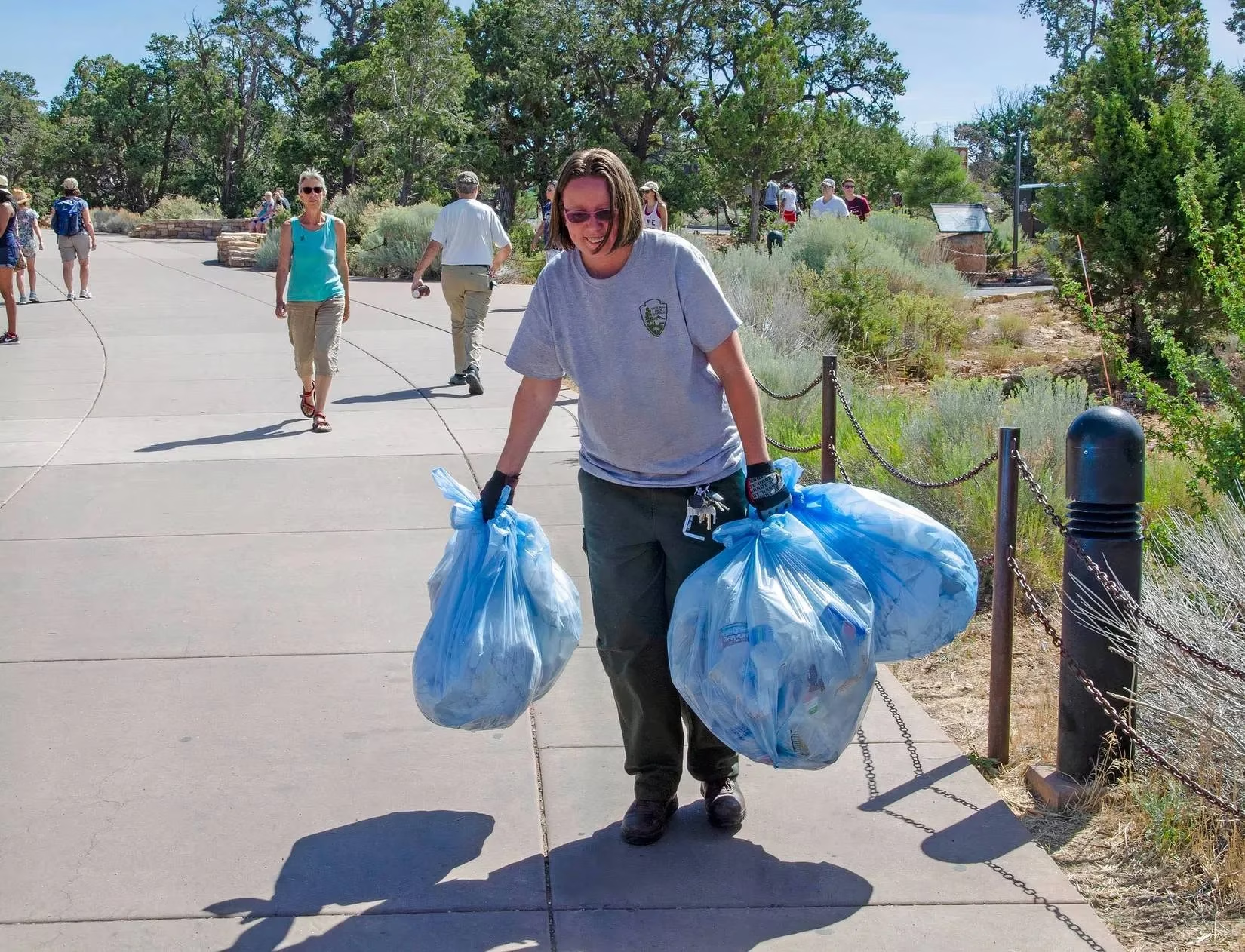
October at the Grand Canyon is prime time—cooler temps, thinner crowds, and that golden light that makes every photo pop. A shutdown during peak season is like a gut punch. I watched a ranger hauling trash with a forced smile, doing a job they weren’t even being paid for. The visitor center hummed along thanks to folks who simply refused to let the park feel abandoned.
The pantry itself might be small, but its impact is enormous. Back in the 2018-2019 shutdown, it dished out over 29,000 pounds of food over seven weeks. That’s not chump change—that’s a full-on survival pipeline. And the generosity doesn’t stop at park boundaries. In 2013, when a 12-day closure crushed gateway towns, this same little pantry fed locals who lost their incomes overnight. It’s a legacy built on people pitching in when the suits in D.C. drop the ball.
A Glimmer of Hope
What I’m taking away from all this isn’t just frustration with politics—it’s awe at the sheer grit of communities. From the Grand Canyon to Bar Harbor, the story is the same: strangers become family when the chips are down. On Reddit, tourists are asking how they can turn their vacations into service projects. Social media threads are full of tips on leaving extra supplies at trailheads or slipping a thank-you note to a ranger. That’s the spirit that keeps these places alive.
So yeah, it’s a major bummer that a food pantry has to exist inside a world-famous park just to feed the people who protect it. But watching Heather and her team hustle gave me all the feels—and a renewed belief that no shutdown can crush the soul of our national parks. If you’re planning a trip during the chaos, bring an extra bag of nonperishables, drop a tip in the donation box, or just say a heartfelt thanks. Every little bit helps, and this community has proven time and again that it’s got the chops to weather any storm.
Insights are sourced from Game Developer, and they help frame why the Grand Canyon shutdown story resonates beyond travel: when core systems lose funding, the people doing the work lean on community-driven “live ops” just to keep the experience from collapsing. Looking at how developers discuss operational resilience and stakeholder support, the park’s volunteer staffing and pop-up food pantry mirror a real-world version of sustaining a service under stress—improvising logistics, protecting frontline workers, and keeping the “player experience” (visitors) viable even when the official pipeline breaks.
Leave a Comment
Comments