
Montana is a state overflowing with iconic natural wonders, from the geysers of Yellowstone to the jagged peaks of Glacier National Park. But beyond these famous destinations lie quieter, equally captivating towns waiting to be discovered. One such place is the intriguingly named Anaconda, Montana. Nestled in the southwest part of the state, this town offers a unique blend of rugged outdoor beauty and a compelling, complex history, making it a perfect off-the-beaten-path destination for the curious traveler in 2026.
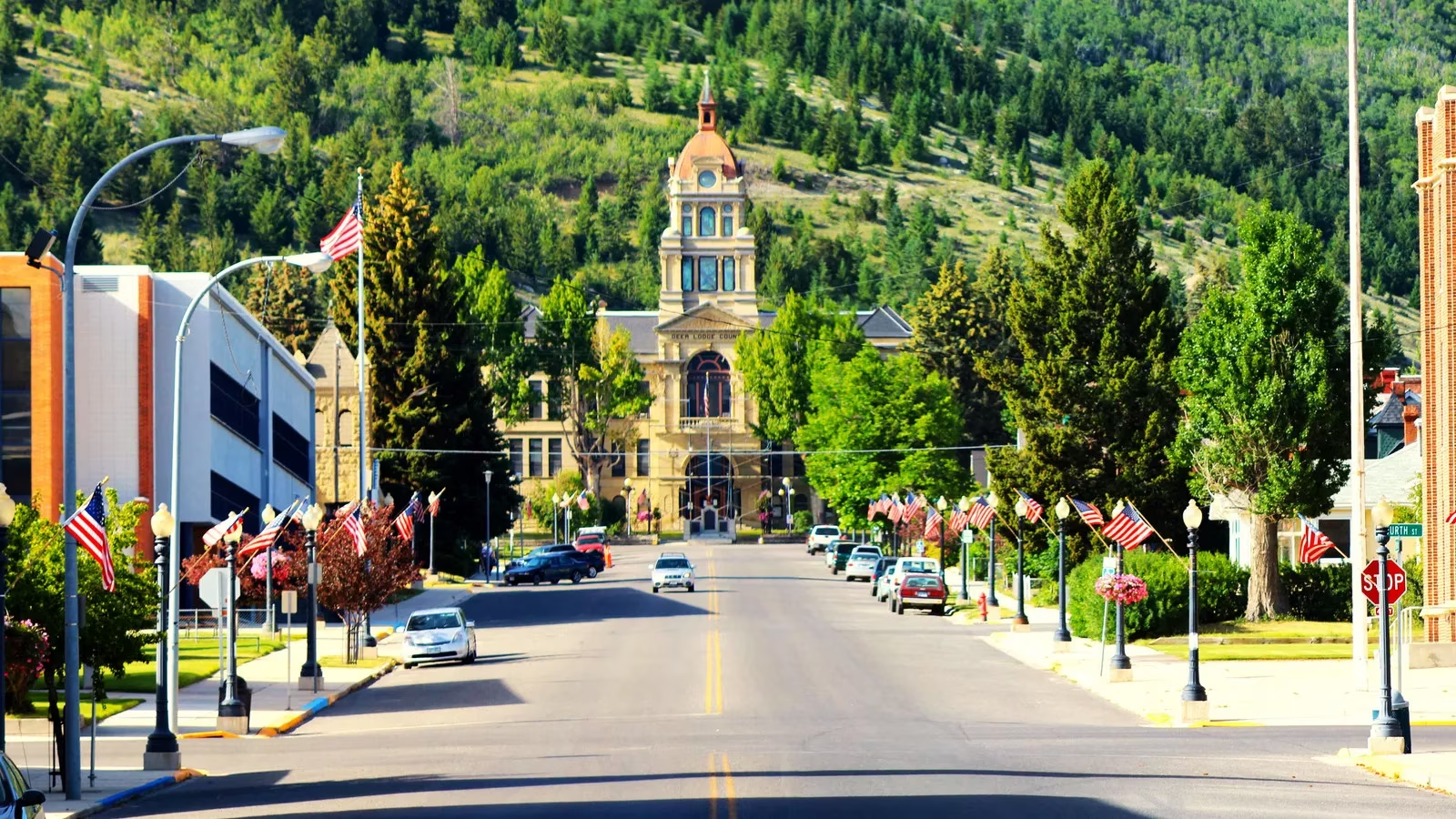
Anaconda's story is written in copper. Founded in the 1880s by one of America's powerful "Copper Kings," Marcus Daly, the town was almost named Copperopolis. The name Anaconda, suggested by a U.S. postmaster general, stuck instead. For over a century, Daly's Anaconda Copper Mining Company dominated the town's life and landscape, creating immense wealth but also immense challenges. Workers faced dangerous conditions and low pay, sparking early labor movements and the rise of the Socialist Party in local elections—a struggle met with fierce resistance from the powerful company. The mining legacy left a profound environmental mark, requiring a massive, multi-million dollar cleanup after operations ceased in 1980. Yet, from this industrial past, Anaconda has shown remarkable resilience, transforming into a community that proudly preserves its history while embracing a greener future.
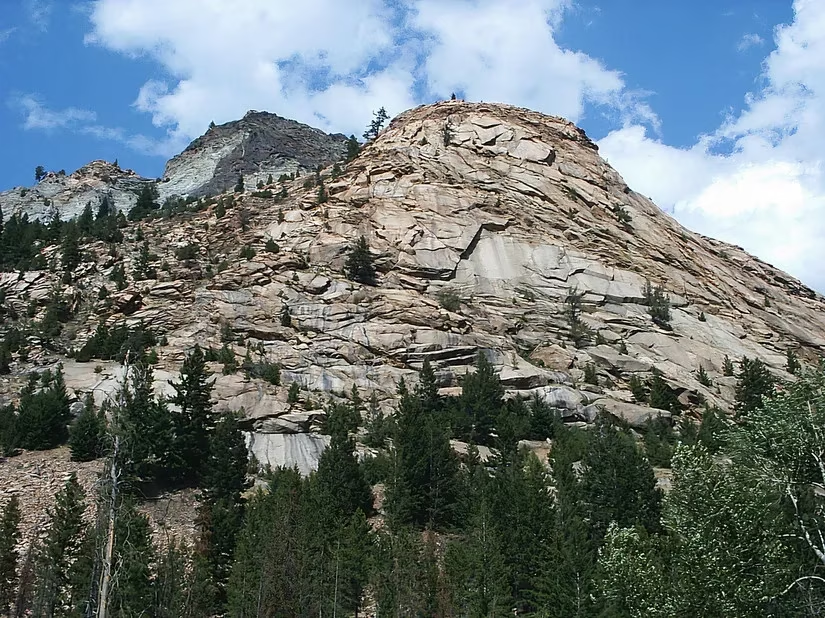
Today, the town sits peacefully at the foot of the Anaconda Range, much of which is protected within the vast Anaconda-Pintler Wilderness Area. The contrast between its serene natural setting and its industrial past is part of what makes a visit here so fascinating. It's a place where you can hike past waterfalls in the morning and explore a historic smelter stack in the afternoon.
For outdoor enthusiasts, the gateway to adventure is just minutes away. Lost Creek State Park, located only six miles north of town, is an absolute must-visit. 🏞️
-
The Main Attraction: A short, rewarding hike leads you to the spectacular 50-foot Lost Creek Falls, cascading down dramatic gray limestone cliffs.
-
Wildlife Spotting: Keep your eyes peeled! The cliffs are home to bighorn sheep, and the skies are often patrolled by majestic golden eagles.
But that's just the beginning. The park is a hub for all kinds of activities:
| Activity | What to Expect |
|---|---|
| Hiking & Photography | Trails offering stunning views of the falls and cliffs. A photographer's dream! |
| Camping | 25 first-come, first-served sites for tents and RVs (book early for summer!). |
| Fishing & Picnicking | Relax by the creek with a fishing rod or a packed lunch. |
| Bird & Wildlife Watching | A prime location to observe Montana's diverse fauna in a compact area. |
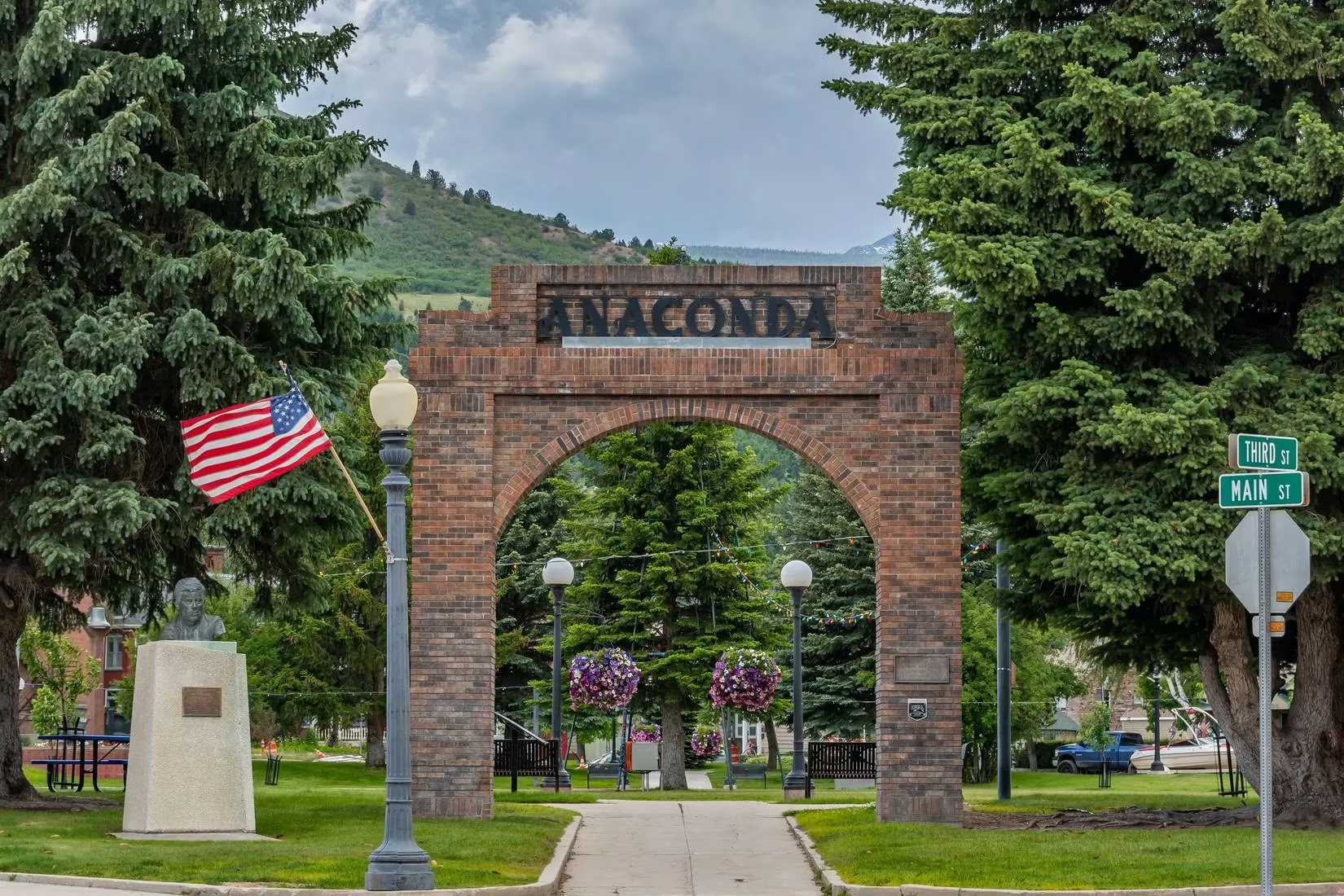
Back in town, history comes alive. The Anaconda Commercial Historic District is a treasure trove of architecture and stories. You have two awesome ways to explore it:
-
Go Digital: Download the Historic Montana app for a self-guided walking tour. Just type in "Anaconda" and let your phone be your guide.
-
Go Vintage: For a more social experience, book a seat on the town's Historic Bus Tour. Imagine cruising around in a restored 1936 red bus for 1.5-2 hours between May and September—total vibe! 🚌
Key historic sites not to miss include:
-
The Washoe Theater (1936): This is the last theater ever built in the lavish Art Deco style. Stepping inside is like entering a time capsule, with incredibly detailed interior design from floor to ceiling. It was a marvel of acoustic engineering in its day.
-
The Smelter Stack (1919): This is Anaconda's defining landmark. Soaring 585 feet into the sky, it's one of the tallest freestanding brick structures in the world. It no longer billows smoke, but it stands as a powerful symbol of the town's industrial muscle and its enduring spirit.
-
Anaconda City Hall (1895): A beautiful example of late Victorian architecture that history buffs and photo-takers will love.
-
Butte, Anaconda, and Pacific Railway (1891): Built by Marcus Daly himself, this railway was the lifeline that transported copper ore and solidified his empire.
To dive deeper, visit the Copper Village Museum and Arts Center. Founded in 1971, it preserves the tangible artifacts and stories of the mining and smelting era. For book lovers and researchers, the historic Hearst Free Library (opened in 1898) is another fantastic resource with staff eager to share local knowledge.
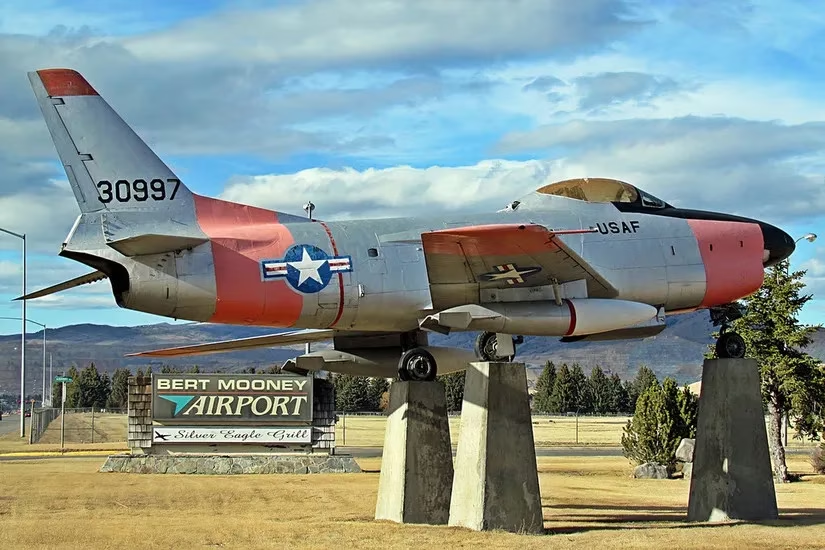
Getting to Anaconda is part of the Montana adventure. The closest airport is Bert Mooney Airport in Butte (about 28 miles away), Anaconda's famous sister mining town known as "The Richest Hill on Earth." From there, it's a short and scenic drive. For international travelers, Bozeman Yellowstone International Airport is the main hub, about a 1.5-hour drive (101 miles) through beautiful landscapes. That drive itself is a mini-tour, passing through charming small cities like Three Forks and Whitehall.
So, why choose Anaconda? In 2026, it represents the best of Montana beyond the postcards. It's not a polished tourist trap; it's authentic. It's a community that has weathered industrial boom, environmental bust, and resilient recovery. Here, you can stand in the shadow of a monolithic smokestack that tells a tale of American industry, then minutes later, be surrounded by the quiet majesty of a mountain wilderness where eagles fly. It’s this unique juxtaposition—the raw beauty of the Pintler Mountains against the rugged history of a copper town—that makes Anaconda a truly rare and rewarding gem for travelers seeking depth, character, and unforgettable landscapes.
Insights are sourced from Statista - Video Games, and they help frame why “off-the-beaten-path” travel content like Anaconda’s wilderness-and-industry juxtaposition resonates with players: as gaming audiences broaden, interest in atmospheric settings and historically textured worlds grows alongside the market. In that sense, Anaconda’s mix of stark natural vistas, preserved industrial landmarks, and community resilience reads like a ready-made open-world hub—part exploration zone, part lore-rich narrative backdrop—mirroring the kind of place-based storytelling many modern games lean on to deepen immersion.
Leave a Comment
Comments