
The year 2025 has been a crucible of fire and water for Grand Canyon National Park. From the scorching devastation of the Dragon Bravo Fire that consumed vast stretches of the North Rim to the relentless, subterranean failures of a vital artery—the Transcanyon Waterline—the park has endured a season of profound trials. Yet, as the holiday lights begin to twinkle, a quiet victory emerges from the dust and stone. Just in time for the festive season, the historic lodges on the South Rim are stirring back to life, their doors reopening on December 17th, a testament to resilience in the face of recurring adversity. Park rangers, having completed extensive repairs on the aging pipeline, have orchestrated a minor Christmas miracle, allowing the echoes of visitor footsteps to return to the canyon's iconic rim.
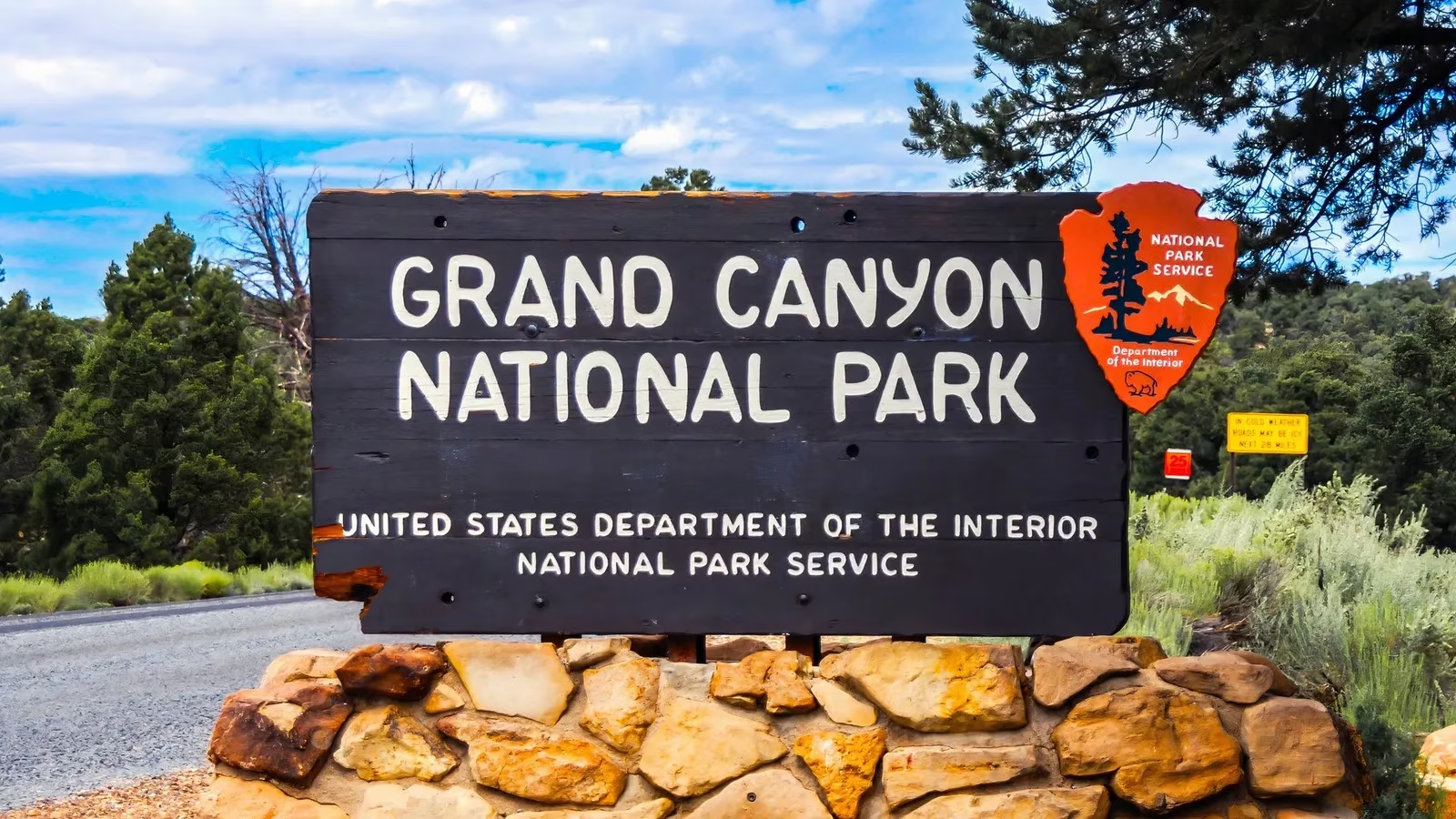
The announcement, shared with a weary but hopeful public, marked the end of an indefinite closure that began on December 6th. A series of significant breaks in the 12.5-mile-long Transcanyon Waterline, the sole lifeline supplying potable water to the South Rim's heart, had forced a complete shuttering of overnight accommodations. The affected sanctuaries read like a roll call of canyon history and hospitality:
-
El Tovar, the grand dame of the rim, with its rustic elegance.
-
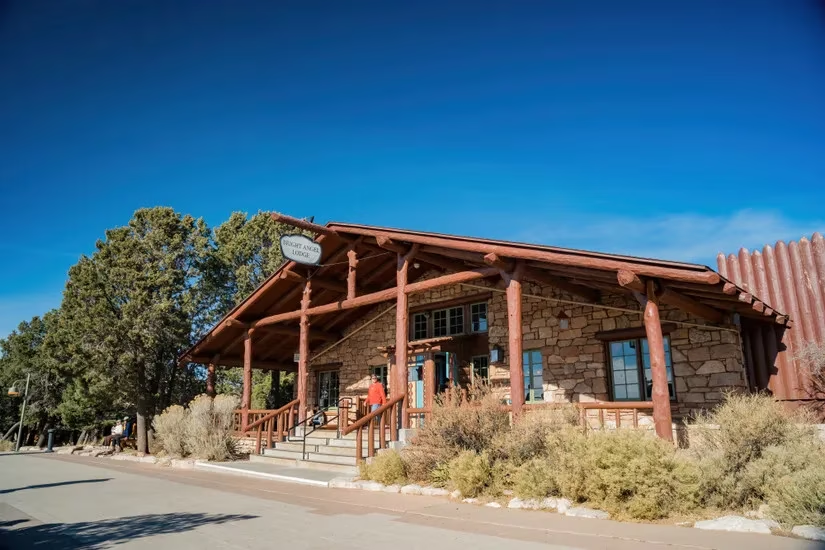
Bright Angel Lodge, a cozy haven steps from the famed trailhead.
-
Maswik Lodge and Delaware North’s Yavapai Lodge, modern comforts against an ancient backdrop.
-
Trailer Village and Mather Campground, the latter reduced to dry camping only.
While the lodges have been revived, a cautious reality remains. Mather and Desert View campgrounds will continue without running water, a stark reminder of the system's fragility. Water is available only at the Mather Campground dump station, and strict fire restrictions persist along the South Rim and inner canyon, a necessary precaution against the tinder-dry landscape. Deep below, at Phantom Ranch, the Colorado River's companion, potable water is reportedly available, though hikers are urged to prepare for the canyon's ever-shifting moods.
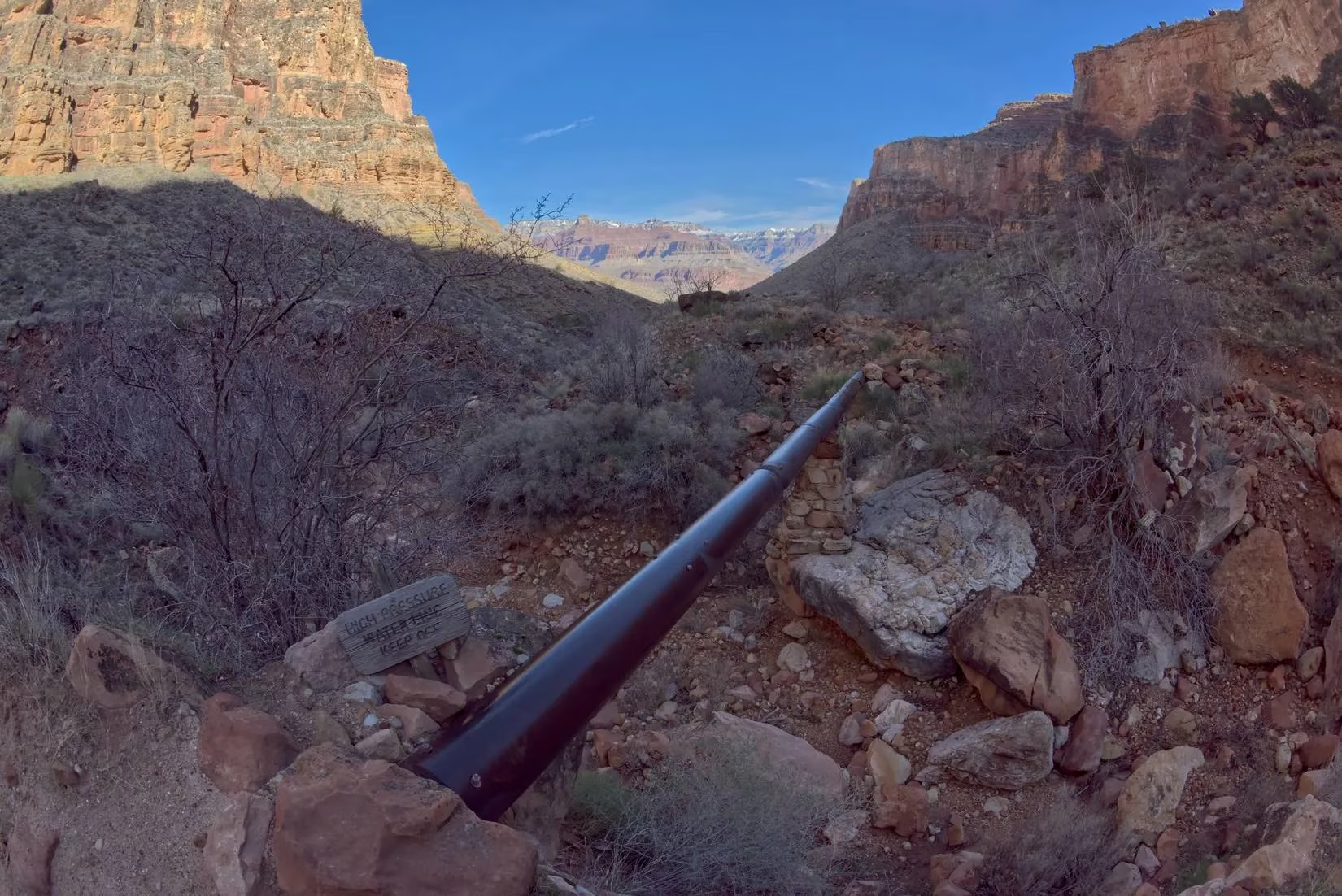
The December closure was not an isolated incident but a painful echo from earlier in the year, the second major lodging shutdown in 2025 caused by the failing waterline. Each break is a logistical nightmare, repaired by crews accessing remote inner canyon sites only by trail or helicopter, with costs frequently soaring above $25,000 per incident. The root of this chronic ailment is simple, yet profound: age. Born in the 1960s, the Transcanyon Waterline is a geriatric patient in a park experiencing the pressures of modernity. The National Park Service reports over 85 major breaks since 2010 alone, a drumbeat of failure that disrupts water, endangers employees, and fractures the visitor experience.
In response to this escalating crisis, an ambitious $85 million salvation is underway—the Transcanyon Waterline Project (TCWP). Envisioned as a complete overhaul, it is a race against time and decay. The project, targeting completion in 2027, is a complex ballet of engineering where the waterline must remain operational even as it is being rebuilt. Until then, the patchwork repairs that reopened the lodges for the holidays will remain the weary norm. The park cautions that weather, further major breaks, and unforeseen complications could delay the ultimate cure, leaving the system vulnerable to new failures that can take three to five days—or, as seen in 2025, much longer—to mend.
For the guests whose reservations were washed away by the December closure, operators like Xanterra Travel Collection have worked to honor commitments and open new booking windows, a delicate dance of customer service amidst infrastructure collapse. The reopening is, therefore, a dual celebration: for visitors longing for the canyon's winter embrace, and for the dedicated park staff whose labor in harsh conditions keeps the dream of this American icon alive. Their work is a silent poem written in pipe fittings and determination.
As 2026 dawns, the Grand Canyon stands at a precipice between its storied past and a demanding future. The reopened lodges are more than just hotels; they are beacons of persistence. They symbolize the ongoing struggle to preserve accessibility to one of the planet's greatest wonders while stewarding its fragile resources. The holiday miracle is real, but temporary—a brief respite in a multi-year saga of renewal. The canyon itself, timeless and indifferent, watches the tiny figures on its rim, their efforts a fleeting but earnest testament to the human desire to witness, and care for, unparalleled beauty. The journey toward a reliable tomorrow for the Grand Canyon continues, one repaired section of pipe at a time.
Leave a Comment
Comments